 English
 日本語
日本語
 简体中文
简体中文


Table of Contents
Why is the Moog Labyrinth trending in 2026?
Is it actually cheaper to buy a Moog Labyrinth from a US retailer than to wait for local stock in New Zealand? Electronic musicians in 2026 are increasingly looking toward parallel generative synthesis to expand their soundscapes. The Moog Labyrinth has gained massive traction because it offers a unique blend of West Coast and East Coast synthesis philosophies. Unlike traditional subtractive synths, the Labyrinth uses two oscillators that interact through a complex routing system, allowing for evolving patterns that feel organic and unpredictable.
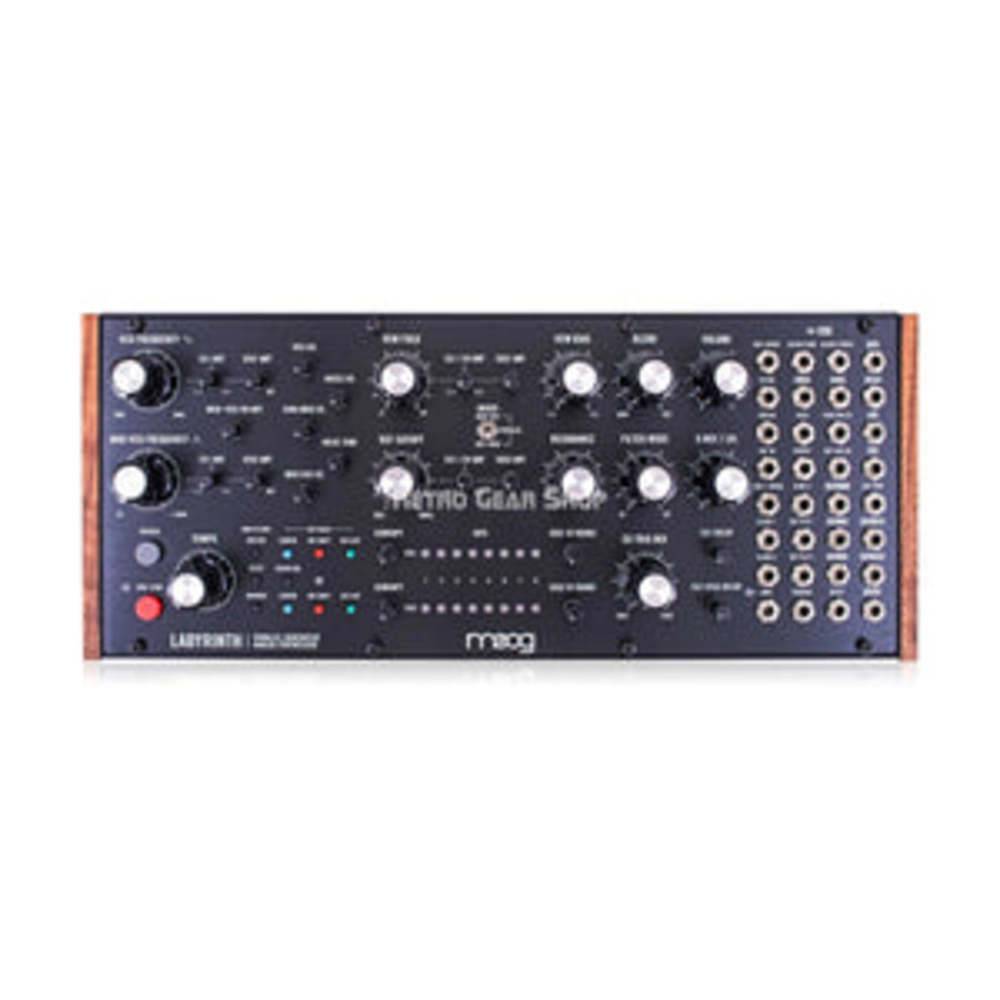
 Perfect Circuit
As professionals seek out these specific textures, the demand for US-manufactured hardware has spiked. Since the product is built in the United States, domestic availability is much higher, and the pricing remains closer to the manufacturer's intended MSRP. To see what other hardware is capturing the attention of professionals, you can check out current us trends in the pro-audio space.
The 25 percent price gap explained
The primary reason New Zealand-based artists are looking toward North America is the substantial price difference. After accounting for VAT, local import markups, and the limited volume handled by regional distributors, the price in New Zealand is often 25% higher than the US retail price. For a professional-grade synthesizer like the Moog Labyrinth, this difference can amount to several hundred dollars—money that could be better spent on patch cables or other studio essentials.
By using a tax-free us address provided by a freight forwarder, you can bypass the immediate retail markups found in local shops. Even when adding international shipping rates, the total cost often remains significantly lower than buying locally.
Securing your synthesizer from US retailers
When you decide to shop us store options like Sweetwater, B&H, or Perfect Circuit, you get access to inventory that rarely reaches the Southern Hemisphere in large quantities. The process involves sending your purchase to a US-based warehouse which then handles the New Zealand delivery.
Before committing to a purchase, it is wise to use a shipping calculator to estimate shipping cost totals. This ensures that the 25% savings on the sticker price isn't entirely consumed by the weight of the hardware. The Moog Labyrinth is relatively compact, making it an ideal candidate for international shipping.
Overcoming payment hurdles with BuyForMe
The most frustrating part of international shopping is often the checkout screen. Many major US retailers frequently block international credit cards or automatically decline orders that use a known forwarding address. Stores like Nike, Sephora, or even specialized electronics outlets often have strict regional payment filters that make it nearly impossible for a New Zealander to complete a transaction directly.
The BuyForMe service solves this problem entirely. Through this assisted purchase program, comGateway buys the item on your behalf using a domestic US credit card. This acts as a proxy shopping solution that guarantees your order is accepted and processed. Using the BuyForMe service is the safest way to ensure your Moog Labyrinth doesn't get stuck in a loop of cancellations because of your billing address.
New Zealand delivery and logistics
Once your synthesizer arrives at the warehouse, the next step is getting it to your studio. When you buy from US ship to New Zealand, you have several options for speed and carrier. Most musicians prefer express options to ensure delicate electronics spend as little time as possible in transit. You can find detailed shipping fees on our rates page to compare different service levels for ship to New Zealand workflows.
Customs rules and prohibited goods
Before you ship, you must be aware of New Zealand's import regulations. While synthesizers are generally permitted, it is always a good idea to check the list of prohibited items to ensure no accessories (like specific lithium batteries or restricted chemicals) are included in the package. Reviewing shipping rules for restricted goods beforehand prevents delays at the border.
In 2026, New Zealand continues to apply GST to imported goods. Factor this into your final budget. Even with these costs, the price gap usually favors the US-purchase route for the Moog Labyrinth. You might also like our guide on managing electronics imports if you are planning to build a full rack of US-sourced gear.
-
April 19, 2026
Australian musicians are losing hundreds of dollars on Moog Labyrinth markups and shipping errors
Ignoring the price disparity between US and Australian retailers for the Moog Labyrinth results in significant financial loss and potential customs delays.Continue Reading
-
April 19, 2026
Moog Labyrinth MSRP vs Malaysian Markups: Why getting lost in the US market saves you RM1,500
Is importing the Moog Labyrinth to Malaysia worth the effort? We compare US pricing versus local retail to see how much you actually save in 2026.Continue Reading
-
April 19, 2026
Save $230 on the Moog Labyrinth by ignoring the myth that US shipping to Singapore is too expensive
Thinking of getting the Moog Labyrinth in Singapore? You can save a massive chunk of change by ordering from the US. Here is the math on how it works in 2026.Continue Reading
-
April 19, 2026
Scoring a Moog Labyrinth from US stores while skipping the paperwork
Getting the latest Moog Labyrinth synthesizer from the US to China might be easier than you think if you use the right automated purchasing methods.Continue Reading
-
April 19, 2026
A logistical plan for importing the Moog Labyrinth to the United Kingdom
The Moog Labyrinth is currently retailing at significantly lower prices in the United States compared to UK stores.Continue Reading