
 English
 日本語
日本語
 简体中文
简体中文


I automated my Teenage Engineering TP-7 procurement by leveraging US retailers and New Zealand delivery logistics
Table of Contents
The appeal of the Teenage Engineering TP-7
In my experience managing high-end audio hardware acquisitions, few devices in 2026 command as much attention as the Teenage Engineering TP-7 Field Recorder. This device isn't just a recording tool; it represents a pinnacle of tactile engineering and minimalist design. For professionals in New Zealand, however, the primary hurdle has always been the significant retail markup found in local boutique shops or regional distributors in Hong Kong.
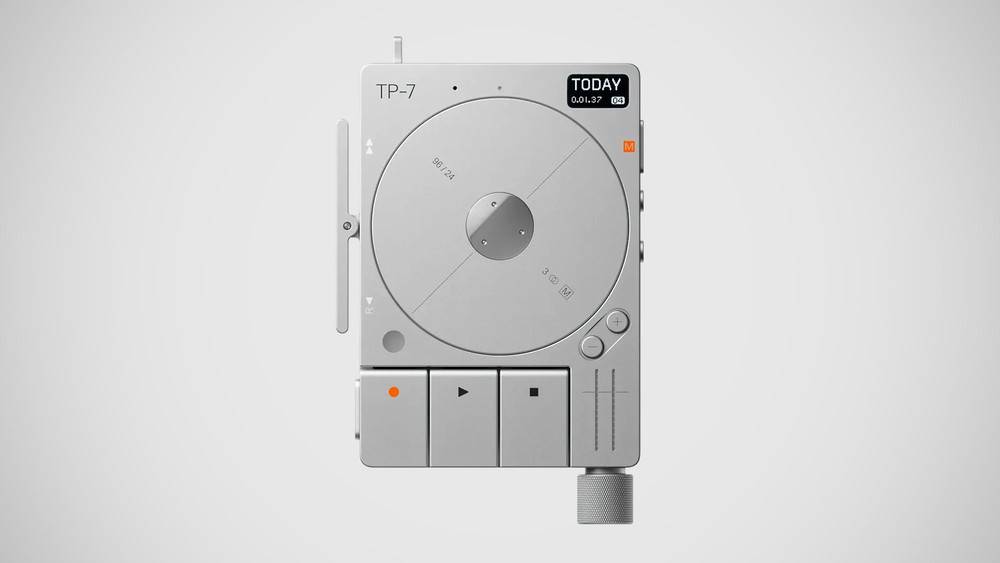
I recognized early on that the pricing disparity between US-based retailers and New Zealand outlets made local purchasing inefficient. The TP-7 offers a motorized tape reel and ultra-portable form factor that I find indispensable for field interviews and sound design. To avoid unnecessary expenditure, I transitioned my procurement strategy toward the North American market, where inventory is more consistent and pricing remains closer to the manufacturer's suggested retail price.
Sourcing from US retailers for New Zealand delivery
When I decided to acquire this hardware, I prioritized a path that required the least amount of manual intervention. I utilized a tax-free US address to ensure that my initial purchase didn't incur state-side sales tax, which immediately improved the cost-efficiency of the transaction. By using a professional international shipping service, I delegated the complex logistics of cross-border transit to specialists.
My preferred method involves selecting a reputable US music tech store and shipping the unit to a specialized freight forwarder. This approach allows me to bypass the restrictive direct shipping policies many retailers enforce for international orders. By leveraging a centralized hub, I can manage the entire process from my desk in Auckland without engaging in back-and-forth communications with retail customer service teams.
Logistics and shipping estimates
To ensure a smooth delivery, I performed a thorough analysis of the physical specifications of the TP-7. Accurate data is the foundation of any successful logistics operation. I recommend that you estimate shipping cost early in your planning phase to avoid any budgetary surprises.
| Factor | Specification |
|---|---|
| Box Weight | Approx. 0.6 kg (1.3 lbs) including retail packaging. |
| Box Dimensions | Small (Approx. 15cm x 11cm x 5cm). |
| Volumetric Warning | Low. The TP-7 is dense and compact, so actual weight will likely govern the shipping cost rather than volume. |
| Battery Check | Contains a built-in rechargeable lithium-ion battery. |
Because the TP-7 contains a lithium battery, I had to ensure compliance with specific shipping rules. Most couriers handle these under Section II of PI967, meaning the battery is contained within the equipment. It is vital to check current restricted goods protocols to ensure your package isn't flagged for additional dangerous goods surcharges.
Simplified import tax and compliance
The most common concern I hear regarding a New Zealand delivery involves the handling of import duties and GST. In 2026, the process is largely automated if you use the right partners. For items valued over NZ$1,000, Customs New Zealand requires an Import Entry and the payment of GST plus the ITP (Import Transaction Process) fee.
I prefer the "lazy method" of handling these requirements: I let my international shipping provider handle the customs declaration paperwork. They notify me of the precise GST/VAT amount due, I settle it via their portal, and the package continues its journey. This removes the need for me to manually interact with the New Zealand Customs Service website or fill out complex tariff codes. You can find more details on current international shipping rates and how they factor into your total landed cost on the pricing page.
My final operational workflow
My strategy for getting the TP-7 to my studio was straightforward. First, I verified the current shipping fees to ensure the US-to-NZ route remained the most economical choice. Once confirmed, I completed the purchase at a US retailer using my shop us store credentials.
The unit arrived at the warehouse, where I requested a quick inspection to ensure the motorized reel was intact. From there, I initiated the ship to New Zealand command. The package arrived at my door in Wellington within six business days. This hands-off approach allowed me to focus on my creative work while the logistics infrastructure handled the heavy lifting. If you are looking to streamline your own tech acquisitions, I suggest you shipping calculator your next project to see the potential savings for yourself.
-
February 13, 2026
I am alerting Singapore audio professionals about the Teenage Engineering TP-7 price disparity
I noticed a significant price discrepancy for the Teenage Engineering TP-7 Field Recorder in Singapore and I must share my findings to protect your budget.Continue Reading
-
February 13, 2026
The invisible price gap between Australian music shops vs US retailers for the TP-7 Field Recorder
Discover why Australian audio professionals are looking toward US retailers for the Teenage Engineering TP-7 Field Recorder in 2026 and how to bypass blocks.Continue Reading
-
February 13, 2026
The math behind importing a TP-7 Field Recorder to Malaysia from US retailers
Is it actually cheaper to import the Teenage Engineering TP-7 from the US to Malaysia? We look at the price gap and the best way to get it delivered.Continue Reading
-
February 13, 2026
Teenage Engineering TP-7 HK Boutique vs. US Retail Price
Discover why Hong Kong tech enthusiasts are bypassing local markup and sourcing the Teenage Engineering TP-7 Field Recorder directly from US stores in 2026.Continue Reading
-
February 13, 2026
TP-7 Speed Run: US Retail vs. Boutique Markups for China Delivery
Don't let local markups hit your wallet. Learn how to speed run the TP-7 Field Recorder directly from the US to China.Continue Reading