
 English
 日本語
日本語
 简体中文
简体中文


Domestic Japanese Retailers vs US Direct Sourcing for the Moog Labyrinth Parallel Generative Synthesizer
The 2026 Generative Synthesis Trend
As of April 2026, the music production landscape has shifted heavily toward hardware that provides unpredictable, organic textures. The Moog Labyrinth Parallel Generative Synthesizer sits at the center of this movement. Unlike traditional subtractive synthesizers, the Labyrinth utilizes a unique signal path that allows two generative sequencers to interact, creating patterns that evolve over time without constant manual input. This "West Coast" influence, combined with Moog's classic analog warmth, has made it a must-have for electronic musicians in Tokyo and Osaka.
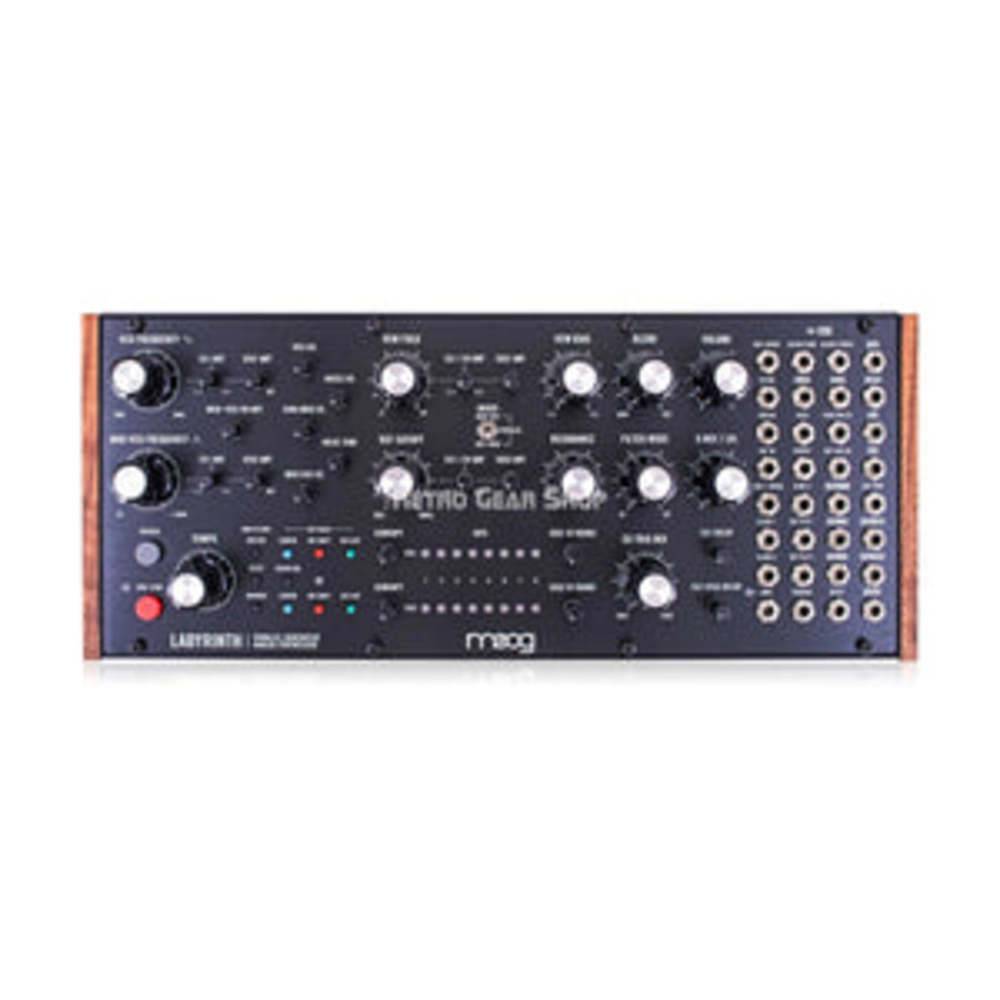
The hype surrounding this unit stems from its ability to function as a standalone rhythmic brain or as a complex voice within a larger Eurorack system. Its parallel processing capabilities mean you can run multiple synthesis types simultaneously, resulting in thick, layered sounds that were previously only possible with massive modular rigs. However, obtaining this machine in Japan requires careful financial planning.
Japan Retailer Markups vs US Market Reality
Musicians in Japan often face a significant financial barrier: the "import markup." Boutique music shops in districts like Ochanomizu frequently list imported synthesizers at 30% to 50% above the US MSRP. For a precision instrument like the Moog Labyrinth, this difference can amount to tens of thousands of yen. By choosing to shop US store options directly, you bypass the middleman profit margins that drive up domestic prices.
Using a freight forwarder allows you to access US-only sales and inventory that never reaches Japanese shores. Many Japanese enthusiasts assume that shipping costs negate these savings, but a direct comparison often proves otherwise. The critical factor is how you manage the logistics of the transit from a tax-free US address to your doorstep in Japan.
Shipping Estimates for Japan Delivery
To accurately assess the feasibility of importing the Moog Labyrinth, you must account for the physical specifications of the unit. While the synthesizer itself is compact, the protective packaging used by US retailers adds to the total volume. Use the shipping calculator to get a precise quote for your specific location.
- Estimated Box Weight: Approximately 6.5 lbs (2.95 kg) including the power supply and retail box.
- Estimated Box Dimensions: Medium (Approx. 16 x 10 x 8 inches).
- Volumetric Warning: The Moog Labyrinth is relatively dense, but if a retailer uses an oversized outer box, the volumetric weight might exceed the actual weight. Always request package repacking if the exterior box appears excessively large.
- Battery Check: This unit does not contain internal lithium batteries; it utilizes an external DC power adapter. This simplifies the shipping process, as it does not fall under IATA Dangerous Goods regulations for batteries.
Before finalizing your purchase, review the international shipping rates to ensure the total cost remains below the local Japanese retail price.
Bypassing US Credit Card Blocks with BuyForMe
A common obstacle for Japanese buyers is the strict payment security protocols of US-based music retailers. Stores like Sweetwater, Perfect Circuit, or even the official Moog store frequently block transactions made with international credit cards or orders associated with known shipping hubs. This can lead to frustrating order cancellations without clear explanations.
The BuyForMe service provides a seamless solution to this problem. Instead of risking a declined transaction, you can utilize comGateway’s proxy shopping experts. We purchase the Moog Labyrinth on your behalf using a US-issued credit card and a domestic billing address. This method is the most reliable way to guarantee your unit is secured during high-demand release windows. For more details on how this process works, visit our FAQ section.
Japan Import Tax and Customs Considerations
When the Moog Labyrinth arrives in Japan, it will be subject to local regulations. Understanding import duties is vital to avoid surprise charges at the time of delivery. While musical instruments often enjoy a 0% basic duty rate in Japan, you are still required to pay the Japan Consumption Tax (JCT).
The JCT is typically 10% of the calculated value of the goods (usually 60% of the purchase price plus shipping costs). If the total value of your shipment is under ¥16,666, it may be exempt from these taxes, but a high-end synthesizer like the Moog Labyrinth will certainly exceed this threshold. Always factor this 10% tax into your final budget to ensure that your US import remains a cost-effective alternative to local retail prices.
For further assistance with customs documentation or specific shipping queries, our help center provides comprehensive support for Japan-bound shipments.
-
April 02, 2026
My analysis of the Moog Labyrinth price discrepancy between US retailers and Singapore boutique shops
I examine why importing the Moog Labyrinth Parallel Generative Synthesizer from the US to Singapore is the most cost-effective strategy in 2026.Continue Reading
-
April 02, 2026
Essential facts for Hong Kong musicians buying the Moog Labyrinth from the US
Is buying the Moog Labyrinth from US retailers actually a better deal for Hong Kong residents in 2026?Continue Reading
-
April 02, 2026
Moog Labyrinth US Imports vs Australian Local Prices
Compare the costs of buying the Moog Labyrinth in Australia versus importing from the USA. Save on retail markups with this direct shipping approach.Continue Reading
-
April 02, 2026
Getting the Moog Labyrinth delivered to India for way less than local shop prices
Learn how to source the Moog Labyrinth synthesizer from the US and save money by using comGateway's shipping and BuyForMe services in 2026.Continue Reading
-
April 02, 2026
Save RM 750 on the Moog Labyrinth by using this 2026 US to Malaysia shipping plan
The Moog Labyrinth is 2026's most exciting synth, but local markups in Malaysia are steep. Here is how to save RM 750 by ordering directly from the USA.Continue Reading