 English
 日本語
日本語
 简体中文
简体中文


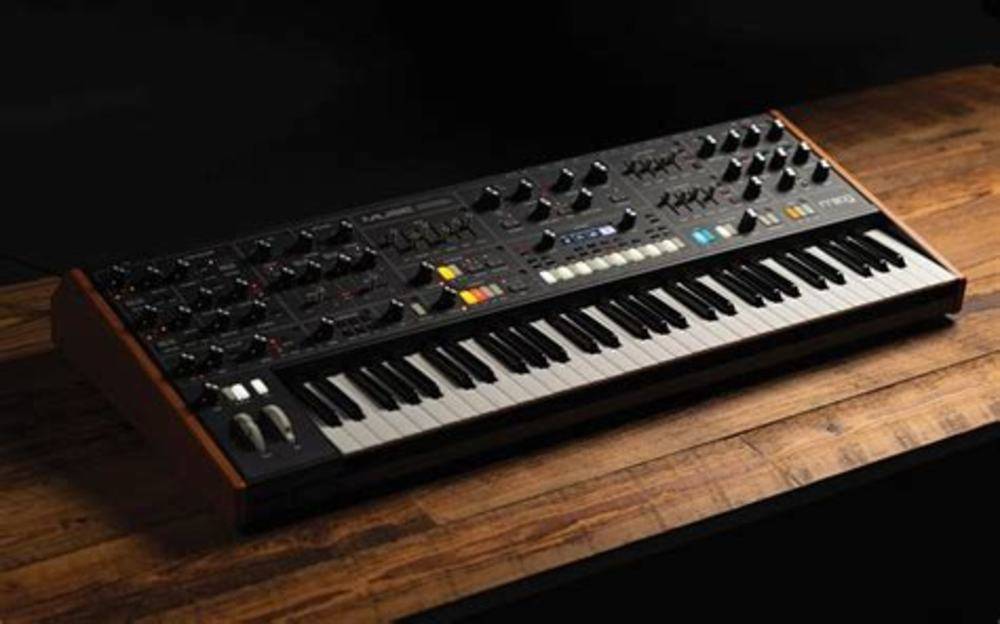
Does the Moog Muse 8-Voice Polyphonic Analog Synthesizer stay out of reach for New Zealand musicians due to the Pacific markup?
Will the Moog Muse 8-Voice Polyphonic Analog Synthesizer actually reach New Zealand shores without the massive Pacific markup? This question is circulating through the local music community as the latest flagship from the legendary US manufacturer makes its global debut. While the Moog Muse represents a pinnacle of modern synthesis, the logistical reality for those in Auckland, Wellington, or Christchurch often involves a mix of high retail prices and limited stock availability.
 Guitar Center
The Allure of the Moog Muse in 2026
As we move through 2026, the Moog Muse has solidified its place as the centerpiece of professional studios. It isn't just a synth; it is an eight-voice polyphonic masterpiece that blends the raw power of Moog’s heritage with a modern digital control interface. Musicians are drawn to its dual-oscillator architecture and the lush, creamy filters that only a true Moog can provide.
The global buzz is driven by the instrument's versatility. Unlike the monophonic legends of the past, the Muse allows for complex polyphonic pads, intricate lead lines, and a massive soundstage that fits perfectly into contemporary production. However, for those living in remote markets, the excitement is often tempered by the difficulty of obtaining one.
The Hidden Barrier for Kiwi Synthesists
The primary obstacle for New Zealand musicians is the "Pacific Tax." This isn't a literal government levy, but rather the cumulative effect of low stock priority and the significant retail markups applied by local distributors. Because New Zealand is a smaller market, US brands often prioritize larger territories for their first production batches. This means that by the time a unit arrives in a local shop, the price may be hundreds of dollars higher than the US MSRP.
To bypass this hurdle, many savvy professionals choose to buy from US ship to New Zealand. By accessing US inventory directly, you ensure you are getting the latest hardware revision from the first batches. Using a tax-free us address allows you to purchase from major retailers like Sweetwater or Perfect Circuit as if you were standing in the States, avoiding US sales tax at the point of purchase.
Shipping Estimates and Logistics Breakdown
When importing high-end musical instruments, understanding the physical logistics is crucial to avoid surprises. The Moog Muse is a substantial piece of hardware, and its shipping requirements reflect that.
| Metric | Estimate |
|---|---|
| Box Weight | Approx. 16.5 kg (36 lbs) including protective outer carton |
| Box Dimensions | Approx. 110 cm x 55 cm x 25 cm (Large/Bulky) |
| Volumetric Warning | High. As a 61-key synthesizer, the box is large. international shipping providers will calculate costs based on volumetric weight rather than just the physical weight. |
| Battery Check | Contains a CR2032 internal lithium battery for preset memory. This is generally not restricted for air travel, but always review the prohibited items list for any updated 2026 regulations. |
Before you commit to a purchase, it is wise to use a shipping calculator to get a clear picture of the landed cost. Factoring in the size of the instrument ensures your budget remains intact.
Sourcing Your Moog Muse from US Retailers
US retailers often offer bundles and competitive pricing that aren't available elsewhere. When you shop us store sites, you are looking at the most competitive market in the world for music tech. The Moog Muse is often stocked more reliably in the US, where the manufacturer is based, meaning shorter wait times for enthusiasts.
By utilizing a freight forwarder, you can consolidate multiple items. Perhaps you need a specialized flight case or a specific set of high-end patch cables that are also hard to find in New Zealand. Consolidating these into one shipment can help optimize the international shipping rates you pay.
Handling New Zealand Customs and Delivery
The final step in getting your Moog Muse home is the New Zealand Customs process. For items valued over NZD $1,000, you will be required to pay GST (15%) and potentially an import entry transaction fee. Even with these costs included, the total price of importing directly from the US often remains significantly lower than the local retail price in Auckland.
The reliability of New Zealand delivery via premium carriers ensures that your delicate analog gear is handled with care. Once the synthesizer clears customs, it is usually delivered to your door within a few business days. This direct-to-consumer approach allows you to join the global community of Moog Muse owners without waiting for local distributors to catch up with the 2026 demand.
-
April 02, 2026
My 2026 strategy for getting a Moog Muse to Singapore
I explain why the Moog Muse is the must-have synth of 2026 and how I secured mine from the US to save on local markups in Singapore.Continue Reading
-
April 02, 2026
My 2026 method for landing a Moog Muse in Malaysia ahead of local distributors
I bypassed the months-long Malaysian waitlist for the Moog Muse by shipping direct from the US. Here is the fast-track logistics plan I used in 2026.Continue Reading
-
April 02, 2026
The reason the Moog Muse is arriving in China via Oregon addresses
The Moog Muse is the most sought-after synthesizer of 2026, and musicians in China are finding specific ways to secure the first production batches from the US.Continue Reading
-
April 02, 2026
The logic of importing a Moog Muse from the USA to Australia
Importing the Moog Muse from the US can save Australian musicians significant money. Learn about shipping estimates, GST, and the BuyForMe service.Continue Reading
-
April 02, 2026
The plan for landing a Moog Muse in Hong Kong without the local markup
Getting the Moog Muse 8-Voice Polyphonic Analog Synthesizer from the US to Hong Kong requires a specific blueprint to ensure you save on cost and delivery time.Continue Reading