



Why do we settle for local availability when importing the Opal C1 from the US offers superior value?
Table of Contents
- Why the Opal C1 dominates my home office setup in 2026
- The price discrepancy I discovered between US and international markets
- How I secure US-only electronics from Japan
- Overcoming the payment declined hurdle with BuyForMe
- Estimating the total landed cost to Japan
- Understanding Japanese import regulations and duties
Why the Opal C1 dominates my home office setup in 2026
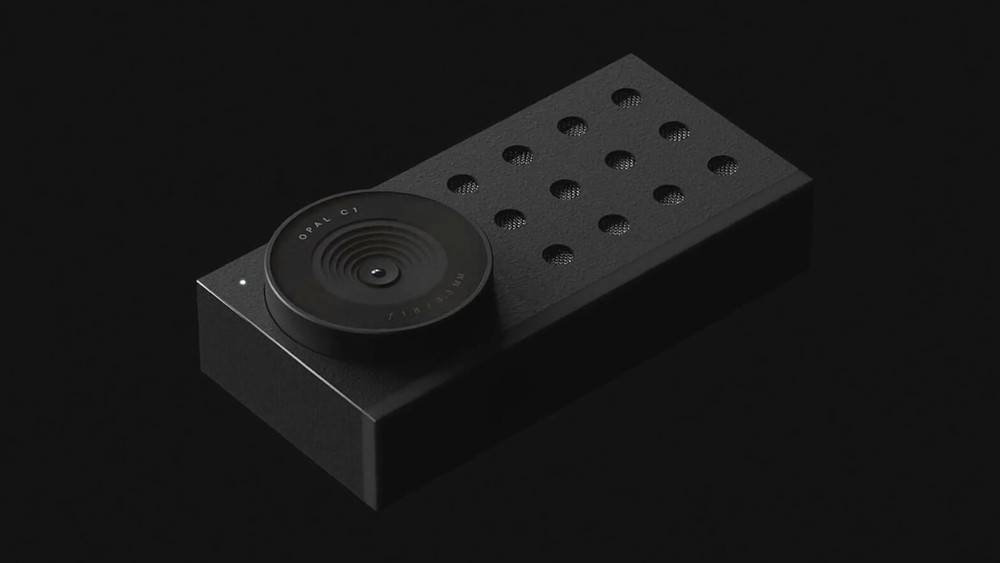
As I review the current landscape of professional video hardware, the Opal C1 4K Professional Webcam continues to stand out as a preferred choice for my colleagues in the creative and executive sectors. My experience with this device has been largely shaped by its ability to replicate the shallow depth-of-field and color science of a DSLR without the bulky footprint. In early 2026, many of our clients in Tokyo have reached out asking why this specific model is trending so heavily compared to local alternatives.
 Amazon US
We see a significant shift toward hardware that focuses on computational photography. The Opal C1 uses a large Sony sensor and proprietary software that I find far more sophisticated than standard integrated webcams. For the remote executive, appearing professional on a video call is no longer optional; it is a core part of their brand. I believe the hardware's sleek design also plays a role in its popularity among those who appreciate minimalist aesthetics.
The price discrepancy I discovered between US and international markets
I recently performed a price audit across several global regions and found that Japanese consumers often face a steep markup for the Opal C1. In the United States, the unit retails significantly lower than what I see from specialty importers in the UK or local secondary markets in Japan. My findings suggest that buying directly from a US store can save a professional roughly $100 before shipping costs are factored in.
This price gap is a result of fragmented distribution networks. When I look at the logistics behind these price tags, it becomes clear that the most efficient way to acquire this tech is to source it directly from the primary market. By using a tax-free US address at comGateway, I can bypass the traditional retail markups found in the Kanto region.
How I secure US-only electronics from Japan
I often encounter the problem of US-based retailers refusing to ship directly to international addresses. To solve this, I rely on a freight forwarder to bridge the gap. My process involves sending the package to a domestic US warehouse first, which then facilitates the international leg of the journey. This package forwarding method is the standard for my team when we need to test new hardware that hasn't officially launched in the Japanese market.
When you forward packages through a professional service, you gain control over the timeline and the handling of the product. I prefer this because I can consolidate multiple tech purchases into one shipment, which significantly reduces the overhead cost per item.
Overcoming the payment declined hurdle with BuyForMe
A frequent challenge I face when shopping at high-end US retailers like Apple, Sephora, or specific tech boutiques is the strict payment verification systems they employ. I have seen many orders for the Opal C1 get cancelled because the store detects an international credit card or a shipping address that they flag as a forwarder. This can be incredibly frustrating when you are trying to secure a specific piece of equipment.
To mitigate this risk, we developed the "BuyForMe" service. Instead of the user attempting to use their own card, my team at comGateway purchases the item on your behalf using a US domestic credit card. This is the safest way to guarantee your order doesn't get cancelled at the checkout stage. I highly recommend this assisted purchase option for any store known for blocking international transactions; it removes the friction and ensures the item actually reaches our warehouse.
Estimating the total landed cost to Japan
Before I commit to a purchase, I always perform a cost analysis. I recommend that you use the shipping calculator to get a clear picture of what the final delivery will cost. Factors like dimensional weight and the chosen courier service (DHL or FedEx) will influence the price. In 2026, shipping lanes between the US and Japan remain robust, but knowing your costs upfront prevents any surprises upon delivery.
Understanding Japanese import regulations and duties
When importing electronics like the Opal C1 into Japan, I must account for the consumption tax and potential duties. Generally, for personal imports, if the value is under a certain threshold, the import tax might be waived or reduced, but for professional-grade electronics, you should be prepared for standard Japanese customs procedures. Check our guide on import duties to understand how these fees are calculated for 2026.
Furthermore, I always advise my clients to review the list of prohibited items before placing an order. While a webcam is perfectly safe to ship, certain accessories containing lithium batteries or specific wireless transmitters may have shipping rules that require special handling. Ensuring compliance at the start of the process is how I maintain a seamless supply chain for my home office setup.
| Factor | US Sourcing | Japan Local Retail |
|---|---|---|
| Base Price (Est. 2026) | $299 USD | $410 USD Equivalent |
| Availability | High | Limited / Specialty only |
| Shipping Method | Parcel Forwarding | Standard Domestic |
By taking control of the procurement process, I find that I not only save money but also gain access to the latest hardware revisions long before they hit the shelves in Tokyo. The Opal C1 is a prime example of why a global perspective on shopping is essential for the modern professional.
-
April 13, 2026
Why I chose to import the Opal C1 4K webcam from the US to Singapore
I spent weeks researching the perfect webcam for my 2026 setup and discovered why buying the Opal C1 from the US is the smartest move for Singaporeans.Continue Reading
-
April 13, 2026
Opal C1 4K Professional Webcam vs Traditional DSLRs for Malaysian Executives
An analysis of why the Opal C1 has become the 2026 standard for professional video in Malaysia and the logistical strategy for acquiring one from the USA.Continue Reading
-
April 13, 2026
Acquiring the Opal C1 4K Professional Webcam from US stores for Australian creators
Securing high-end 4K video hardware requires a strategic approach to international procurement to avoid regional price inflation in 2026.Continue Reading
-
April 13, 2026
Direct US imports vs Indian local markup: Secure your Opal C1 4K Webcam before stock vanishes
Secure the Opal C1 4K Webcam from the US to avoid massive Indian markups and complex paperwork with this streamlined shipping method.Continue Reading
-
April 13, 2026
I saved $100 by getting my Opal C1 from the US instead of Hong Kong resellers
I found that buying the Opal C1 4K webcam directly from the US is significantly cheaper for Hong Kong residents. Here is my shipping and buying strategy.Continue Reading

