 English
 日本語
日本語
 简体中文
简体中文


My Kiwi blueprint for wiring up a cheaper Anker MagGo Qi2 without the shocking local price tags
Why I am buzzing about Qi2 in 2026
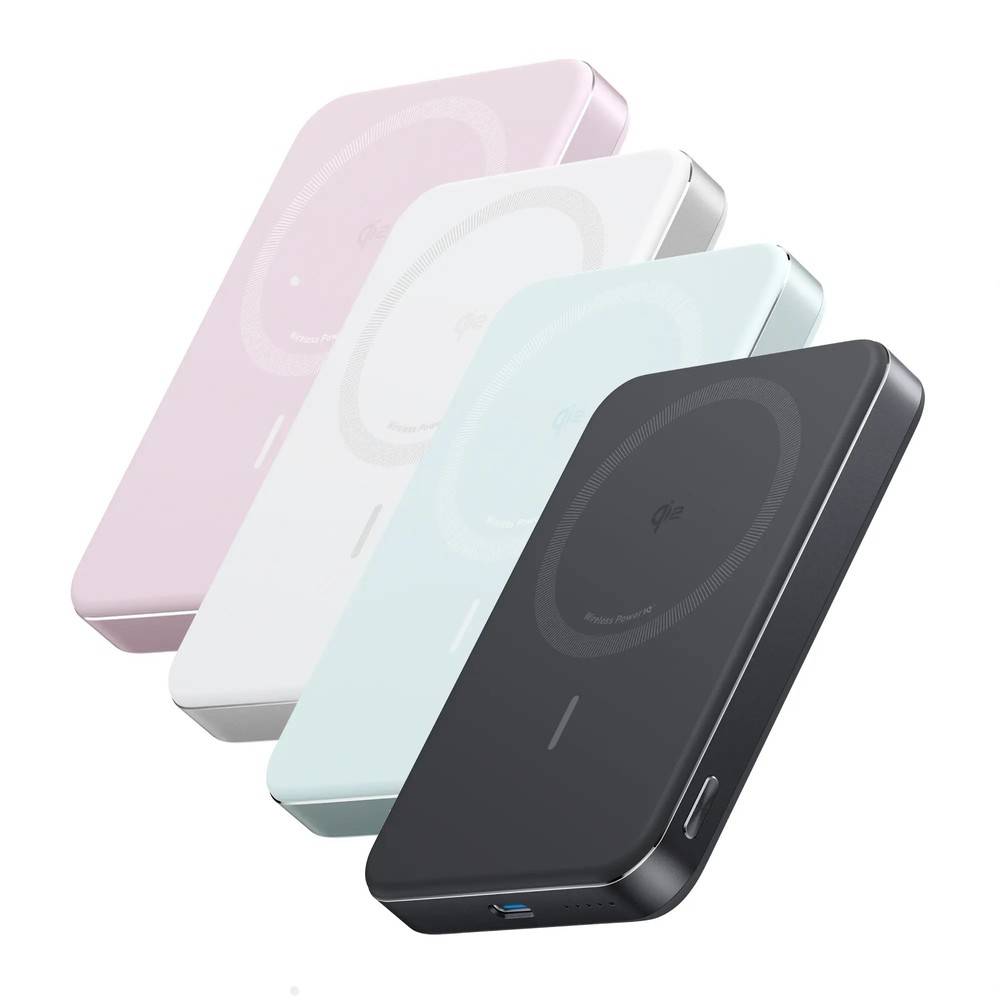
I have spent the last few months watching the tech landscape in New Zealand, and one thing is clear: we are often left waiting at the departure gate while the US enjoys the latest hardware. This year, my focus shifted to the Anker MagGo Power Bank (Qi2 Certified, 10K). While local retailers are finally stocking similar tech, the prices I am seeing on Kiwi shelves are enough to make my wallet weep. We are talking about paying nearly double for the privilege of buying locally.
 Amazon US
I realized that if I wanted the latest 15W magnetic charging speeds for my iPhone without the eye-watering markup, I needed to look toward the US market. The Anker MagGo 10K is currently a rising star because it offers MagSafe-level performance at a fraction of the cost, provided you know how to navigate the Pacific shipping lanes.
My blueprint for the new charging standard
When I first heard about the Qi2 standard, I knew it would be a essential for my daily carry in 2026. It essentially mimics the magnetic alignment and high-speed charging of Apple's proprietary tech but opens it up to a wider range of devices. My blueprint for a perfect mobile setup involves a 10,000mAh capacity—enough to keep my phone alive through a long weekend in Queenstown—and the Anker MagGo fits that perfectly.
I found that buying this unit from a US store like Amazon or Best Buy is significantly cheaper than waiting for local distributors to add their margins. Even with the cost of getting it across the ocean, I am still coming out ahead. To make sure I was not overestimating the savings, I checked a shipping calculator to see exactly what the damage would be for a small electronics parcel.
The logistics of my portable power project
Before I clicked 'buy', I had to sit down and map out the physical logistics. Shipping batteries isn't as simple as shipping a t-shirt. I had to consider the weight, the dimensions, and the specific rules regarding lithium-ion cells. Here is the data I used for my planning:
| Metric | Estimate |
|---|---|
| Box Weight | Approx. 0.45 kg (1.0 lb) including packaging |
| Box Dimensions | Small (Approx. 16cm x 11cm x 6cm) |
| Volumetric Warning | Low risk. This item is dense and small, so volumetric weight won't exceed actual weight. |
| Battery Status | Contains a Lithium-ion Battery (UN3480). |
I must highlight that because this is a standalone power bank (not a battery inside a laptop), it is classified as dangerous goods. My experience has taught me that not every carrier wants to touch these. I use comGateway because they have specific pathways for shipping electronics that contain batteries. When I forward packages of this nature, I always ensure I select a courier like DHL or FedEx through the portal, as they are better equipped for lithium battery compliance than standard postal services.
Dealing with the taxman and GST
One part of my blueprint that I never overlook is the New Zealand Customs requirement. Since 2019, the rules for GST on low-value goods have been quite strict. When I shop at a US store, they might not collect the 15% GST at the checkout. If they don't, I know I will likely have to handle it when the item hits our borders.
I always recommend that you check our guide on import duties to see if the current 2026 thresholds have changed. Generally, for a single power bank, you are looking at GST plus a potential entry fee if the total value exceeds the de minimis. However, even with GST added, the US price for the Anker MagGo 10K usually remains far more attractive than the local NZ retail price.
How I secure my US-exclusive gear
The final step in my plan was setting up a tax-free US address. By shipping the Anker power bank to a warehouse in a state like Oregon, I avoid US sales tax entirely, which saves me another 7-10% right off the bat. This is a little trick I've used for years to keep my tech budget under control.
Once the item arrives at my US suite, I get a notification and can decide when to ship it home to Auckland. If I am worried about the process, I usually check the FAQ on the site to confirm the latest battery shipping surcharges. We have found that consolidating a few items—maybe a new phone case or some cables—makes the shipping cost per item even lower.
I have found that being my own freight forwarder manager gives me access to the Qi2 tech I want without having to wait for New Zealand retailers to catch up with the rest of the world. My Anker MagGo 10K is now a staple in my bag, and I am already planning my next US tech haul for the winter season.
-
March 07, 2026
Anker MagGo Qi2 vs Local Alternatives: A 2026 Singapore Price Comparison
Compare the Anker MagGo Power Bank (Qi2, 10K) US pricing against Singapore retail to see how much you can save by importing directly in 2026.Continue Reading
-
March 07, 2026
I used a freight forwarder to save $50 on the Anker MagGo Qi2 Power Bank
I wanted the new Anker MagGo Qi2 Power Bank but the Aussie prices were wild. Here is how I used a freight forwarder to get it cheaper from the USA.Continue Reading
-
March 07, 2026
Save RM 220 on the Anker MagGo Power Bank (Qi2 Certified, 10K) through US market access
The launch of the Qi2 charging standard has created a significant price gap. Learn how Malaysian consumers can save approximately RM 220 by sourcing from the US.Continue Reading
-
March 07, 2026
Anker MagGo vs. Indian Retail Markups—The Lazy Shortcut via Freight Forwarder
Want 15W Qi2 charging without the 2026 price hike? Here is the lazy method to get the Anker MagGo Power Bank from the US to India effortlessly.Continue Reading
-
March 07, 2026
Save $420 HKD on Anker MagGo Qi2 10K Power Banks by acting on these 5 critical US procurement alerts
Hong Kong residents are facing massive markups on Qi2 technology. Secure the Anker MagGo 10K from the US to save over $420 HKD today.Continue Reading