
 English
 日本語
日本語
 简体中文
简体中文


Does the price gap for Moment T-Series lenses justify the international shipping cost to Japan?
Table of Contents
- The economic logic of US-sourced Moment T-Series lenses
- Why the T-Series dominates the 2026 mobile cinematography market
- Strategic procurement from US storefronts
- Leveraging a tax-free US address
- Logistics Analysis and Shipping Estimates for Japan
- Managing Japan import tax and customs clearance
- Streamlining the acquisition process
Is the current price disparity for Moment T-Series lenses significant enough to justify direct procurement from United States retailers for creators based in Japan?
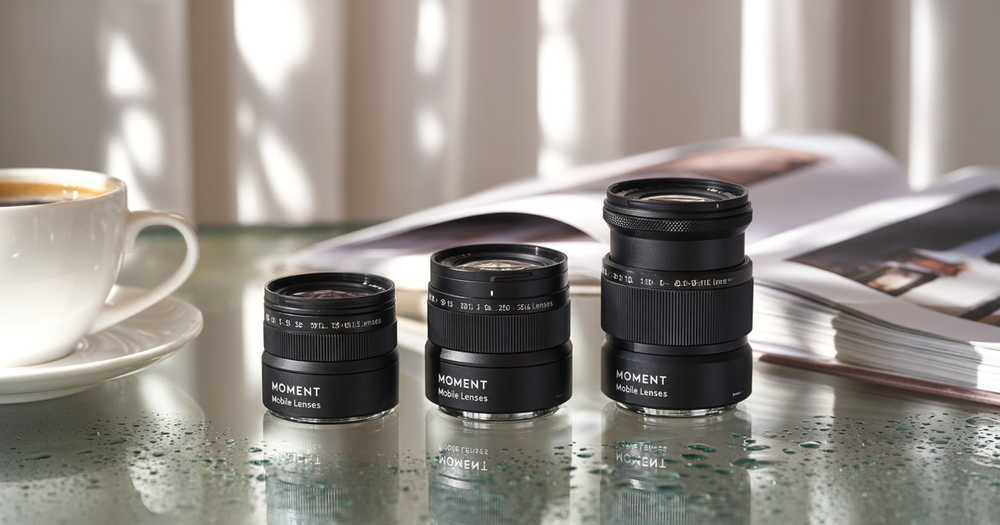
The economic logic of US-sourced Moment T-Series lenses
In 2026, the demand for high-fidelity mobile optics has reached a peak in Japan, driven by the professionalization of short-form content. The Moment T-Series lenses, designed specifically for the larger sensors found in modern smartphones like the iPhone 17 and Pixel 10, have become the primary choice for enthusiasts. However, the retail price in Japan often includes a heavy markup from importers. By sourcing directly from the US, Japanese buyers can access seasonal discounts and bundle offers that are frequently unavailable in the domestic market.
Why the T-Series dominates the 2026 mobile cinematography market
The T-Series represents a significant engineering shift. With a larger bayonet mount, these lenses minimize vignetting on high-resolution sensors. As Japanese creators prioritize portability without sacrificing image quality, these lenses have become a staple. The trend is fueled by US-exclusive collaborations and limited-edition releases that rarely reach the Tokyo or Osaka retail shelves. This scarcity, combined with a favorable exchange rate for specific US-based promotional periods, makes **international shipping** a viable procurement strategy.
Strategic procurement from US storefronts
To maximize cost-efficiency, professional buyers often consolidate their purchases. US retailers like Moment, B&H Photo, or Adorama frequently offer bundles that include the T-Series lens, a compatible case, and filter adapters at a price point significantly lower than the individual unit price in Japan. When the domestic price gap exceeds 20%, engaging a professional **freight forwarder** provides the most reliable return on investment. If a US retailer does not accept international credit cards, you may utilize a **BuyForMe service** to facilitate the transaction seamlessly.
Leveraging a tax-free US address
One of the primary overheads in US shopping is the state sales tax. By utilizing a **comGateway** account, Japanese creators can ship their lenses to a tax-free warehouse in Oregon. This immediate 7% to 10% saving often covers a large portion of the subsequent shipping fees. Furthermore, using a **parcel forwarding service** allows for package consolidation, which is essential if you are ordering multiple accessories from different vendors. You can easily model these costs by using a **shipping calculator** to ensure the total landed cost remains within your budget.
Logistics Analysis and Shipping Estimates for Japan
For an accurate assessment of your logistics overhead, consider the following estimates for a standard Moment T-Series lens package (e.g., a 2-lens starter kit with a mounting case).
| Logistics Factor | Estimated Detail |
|---|---|
| Box Weight | Approx. 0.6 kg (1.3 lbs) |
| Box Dimensions | Small (Approx. 20cm x 15cm x 10cm) |
| Volumetric Warning | Low risk; these items are dense and usually billed by actual weight. |
| Battery Check | None; these are purely optical components. No lithium battery restrictions apply. |
Using **DHL international shipping** or **FedEx international shipping** through your forwarder typically results in a transit time of 3 to 5 business days from the US warehouse to major Japanese hubs like Tokyo or Nagoya.
Managing Japan import tax and customs clearance
Understanding the nuances of Japan's **import tax** system is critical for maintaining your project budget. Generally, if the total value of your shipment is under 16,666 JPY, it may be exempt from duty and consumption tax. However, professional lens kits often exceed this threshold. In 2026, Japan continues to apply a 10% consumption tax on imported goods. You might also like to check our guide on import tax and customs regulations to avoid unexpected fees at the border.
Streamlining the acquisition process
For those who prefer a hands-off approach, the **proxy shopping** model is highly effective. By using the **BuyForMe service**, the forwarder handles the entire purchase process, from payment to domestic US delivery and final international dispatch. This is particularly useful during high-demand release windows for new T-Series glass where stock sells out in minutes. Once the items arrive at the warehouse, you can **forward packages** with confidence, knowing that professional packing will protect the delicate glass elements during their journey to Japan.
-
February 07, 2026
Does the price of Moment T-Series lenses in the US justify the shipping journey to Singapore?
Explore why Singaporean mobile creators are looking to US retailers for Moment T-Series lenses and how to navigate the logistics of international shipping.Continue Reading
-
February 07, 2026
Malaysian retail markups vs US direct deals for Moment T-Series lenses
Discover why the pros are skipping local stores and sourcing their Moment T-Series gear directly from the USA to save big in 2026.Continue Reading
-
February 07, 2026
Save $120 on your Australian Moment T-Series gear with this 2026 US buying plan
A direct step-by-step plan for Australian creators to secure Moment T-Series lenses from US stores while saving on costs and overcoming shipping hurdles.Continue Reading
-
February 07, 2026
The exact plan I used to score Moment T-Series lenses from the US for my Hong Kong setup
I finally figured out how to get the newest Moment T-Series mobile lenses delivered to Hong Kong without the massive local markup or shipping headaches.Continue Reading
-
February 07, 2026
Lens be honest about saving $135 on Moment T-Series gear while we handle the boring paperwork
Capture pro-level shots in China with Moment T-Series lenses and see how US bundles slash $135 off your total bill without any logistics stress.Continue Reading