

 English
 日本語
日本語
 简体中文
简体中文


Analogue 3D vs. Original N64: Does the 2026 production batch actually justify a direct import to Tokyo?
Table of Contents
The 2026 Hype Surrounding the Analogue 3D
For gamers in Japan, the Nintendo 64 holds a sacred place in history. However, as we move through 2026, original hardware is showing its age on modern displays. This is where the Analogue 3D (2026 Production Batch) enters the conversation. Unlike typical emulation boxes, this US-engineered machine uses Field Programmable Gate Array (FPGA) technology to recreate the N64 at a hardware level. The result is a 4K output that remains faithful to the original experience without the lag or visual artifacts associated with software emulation.
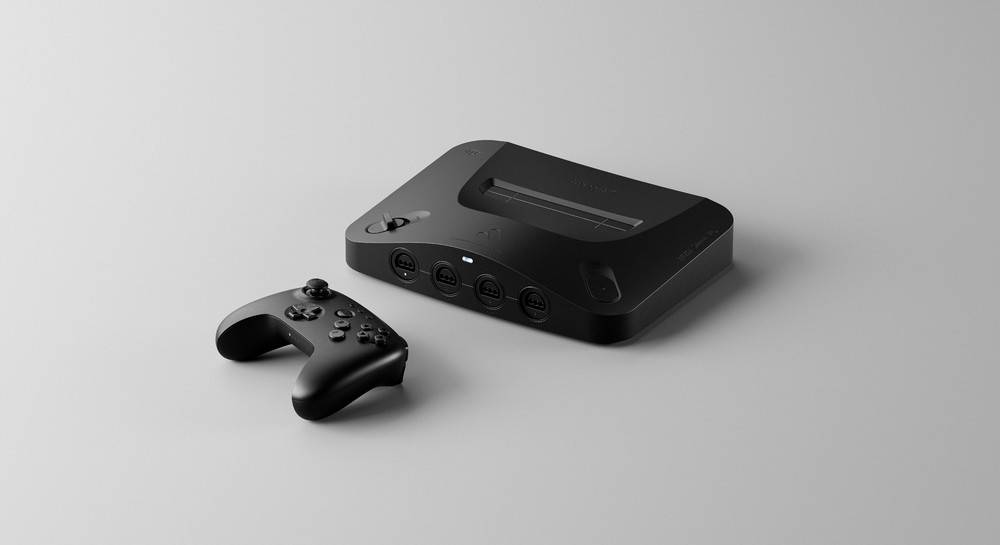
Collectors are currently tracking [us trends](https://www.comgateway.com/trends/) to see when new stock drops, as the demand for this specific batch has reached a fever pitch. The 2026 production run has been specifically noted for its refined shell durability and improved heat management compared to earlier prototypes. For a Japanese enthusiast, the question remains: why go through the trouble of importing from the US when the original console is so readily available in Akihabara?
Analogue 3D vs. Nintendo 64 Hardware
When comparing the Analogue 3D vs. the original Nintendo 64, the most immediate difference is the visual clarity. The original console outputs a signal that looks muddy on 2026-era 4K and 8K televisions. The Analogue 3D solves this by natively upscaling to 4K. It also includes specific "Original Display Modes" that mimic the phosphor glow and scanlines of old CRT monitors, which many argue is the only way to play classics like Ocarina of Time.
Furthermore, the Analogue 3D is region-free. While Japan has an abundance of NTSC-J cartridges, many collectors want to play North American exclusives or fan-translated reproductions. The hardware compatibility is 100%, meaning your physical cartridges will work exactly as they did in 1996, but with the benefits of modern Bluetooth controller support and firmware updates. To stay informed on how these technical specs compare to other modern releases, you can check our [support](https://www.comgateway.com/faq/) section for hardware compatibility queries.
The Challenge of Buying from US Retailers
Because the Analogue 3D is a product of US engineering, the primary distribution channels are based in the United States. Many enthusiasts in Japan find that even when they are ready to [shop us store](https://www.comgateway.com) websites, they hit a wall. US-based stores often implement strict anti-fraud filters that can be frustrating for international buyers. This is particularly common with high-demand electronics where retailers try to prevent scalping by limiting purchases to domestic customers.
If you have ever tried to purchase limited edition gear from brands like Apple, Nike, or Sephora, you may have noticed that they frequently block international credit cards. This same issue applies to boutique gaming companies. Even if you have a [tax-free us address](https://www.comgateway.com) ready to go, the transaction might be declined simply because your billing address is in Tokyo or Osaka.
The BuyForMe Solution for Restricted Orders
This is where the "BuyForMe" service becomes an essential tool for the serious collector. Some US stores are notorious for declining orders sent to any known [parcel forwarding service](https://www.comgateway.com/freight-forwarder/) or those paid for with non-US credit cards. If you find that your order for the Analogue 3D keeps getting cancelled, comGateway’s BuyForMe service provides a seamless workaround.
The process is straightforward: you tell us what you want to buy, and we use our US-based domestic credit cards to complete the purchase on your behalf. This significantly reduces the risk of order cancellation. The benefit is clear: it is the safest way to guarantee your place in the 2026 production batch queue without worrying about regional payment blocks. Instead of fighting with a checkout page that won't accept your local card, you let us handle the transaction logistics while you focus on your game collection.
Shipping Your Console to Japan Safely
Once your console arrives at our warehouse, the next step is getting it across the Pacific. Choosing a reliable [freight forwarder](https://www.comgateway.com/freight-forwarder/) is vital for high-value electronics. The Analogue 3D is a precision instrument, and it requires careful handling to ensure the FPGA chips and optical ports remain intact during transit.
Before you ship, it is a good idea to [estimate shipping cost](https://www.comgateway.com/calculator/) to see which courier service fits your budget. Shipping to Japan is generally efficient, but costs can vary based on the weight of the console and any extra controllers or accessories you might have bundled with your order. Using our [shipping calculator](https://www.comgateway.com/calculator/) allows you to compare different speeds and prices so there are no surprises when the package arrives at your door.
Understanding Japan Import Costs
Importing electronics into Japan involves specific regulations. For most personal imports, if the value of your item is under 16,666 JPY, you might be exempt from certain taxes. However, the Analogue 3D (2026 Production Batch) typically retails well above this threshold. This means you should be prepared to pay the Japanese Consumption Tax (10%) upon delivery or during the shipping process.
| Item Type | Estimated Value (USD) | Japan Import Duty | Consumption Tax |
|---|---|---|---|
| Analogue 3D Console | $250 - $300 | 0% (Typically Duty-Free) | 10% |
| Wireless Controllers | $30 - $50 | 0% | 10% |
While the duty on video game consoles is generally zero in Japan, the consumption tax is calculated based on the total value of the goods plus the cost of shipping. By using a [comGateway](https://www.comgateway.com) account, you can manage your invoices and documentation clearly, making the customs clearance process in Japan much smoother. If you have questions about specific documentation, our [help center](https://www.comgateway.com/faq/) is available to provide guidance on customs paperwork.
Ultimately, the Analogue 3D vs. original hardware debate comes down to how much you value visual fidelity and modern convenience. For those in Japan who want the definitive N64 experience in 2026, importing from the US is the only way to secure this piece of hardware. By utilizing a US address and the BuyForMe service, you can bypass the retail hurdles that often stop international collectors at the finish line.
-
May 25, 2026
Save $140 on the Analogue 3D 2026 Production Batch by ordering direct from the US
Looking to secure the Analogue 3D 4K N64 console? Here is how to skip the local markup and get it shipped to Singapore for less.Continue Reading
-
May 25, 2026
Ordering the Analogue 3D 2026 Batch for Australian gamers using a freight forwarder
Wondering why the Analogue 3D is the must-have console of 2026? Here is the logic behind getting one shipped to Australia from the US.Continue Reading
-
May 25, 2026
Malaysian collectors vs US store credit card blocks for the Analogue 3D 2026 batch
Secure your Analogue 3D 2026 production batch from the US. Learn why Malaysian credit cards fail and how to use comGateway to ship your console safely.Continue Reading
-
May 25, 2026
Getting the Analogue 3D 2026 batch to Hong Kong is simpler than most collectors think
The 2026 production run of the Analogue 3D is finally shipping, and here is how Hong Kong gamers can secure theirs from the US without order cancellations.Continue Reading
-
May 25, 2026
Snagging the Analogue 3D 2026 batch for your UK setup without blowing a fuse
The Analogue 3D 2026 batch is here to modernize your N64 library in 4K, but getting it to the UK requires some tactical maneuvering. Here is how to score one.Continue Reading

