 English
 繁體中文
繁體中文
 简体中文
简体中文


Analyzing the Apple Vision Standard Model Hype
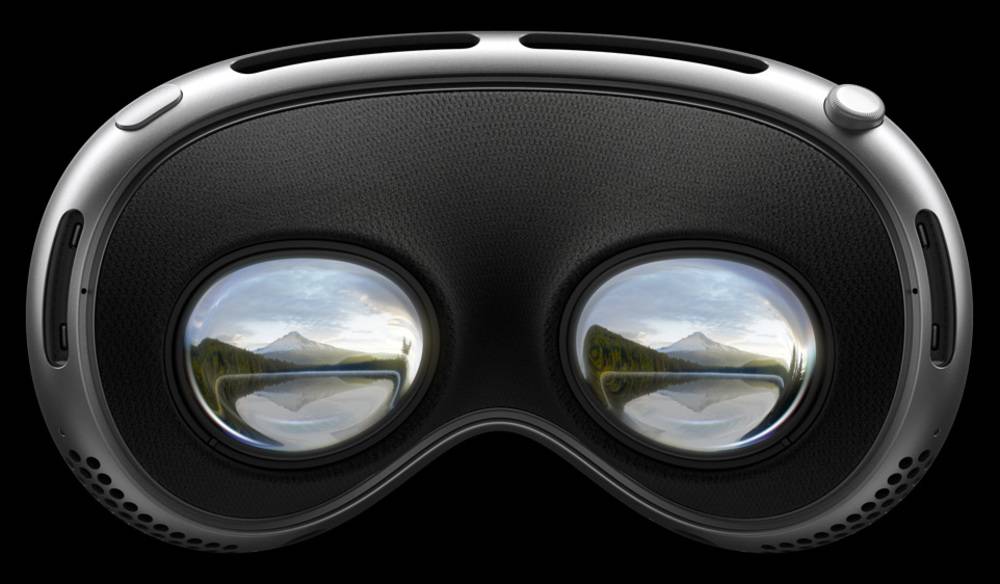
The tech landscape shifted significantly this week in April 2026 with the official US launch of the Apple Vision (Standard Model). This non-Pro iteration provides a more accessible entry point into the visionOS ecosystem, stripping away some of the high-cost materials of the Pro version while maintaining the core immersive experience. While the device is currently a US-exclusive release, savvy tech enthusiasts in New Zealand are already looking across the Pacific to secure their units.
 Apple Store US
The surge in demand mirrors recent trends in Hong Kong, where users are aggressively importing the device to bypass local retail delays. For New Zealanders, the primary challenge lies in the logistical hurdles of cross-border shopping and the stringent security protocols of US electronics retailers.
Buying the Headset from US Retailers
Acquiring the Apple Vision requires a strategic approach to international shopping. Most major US retailers do not offer direct international shipping for high-value electronics. Utilizing a reliable freight forwarder is the standard method for obtaining a tax-free US address, which allows you to bypass US sales tax and consolidate your shipment before it heads to New Zealand.
Before finalizing your purchase, it is wise to estimate shipping cost using online tools. This ensures you are fully aware of the landed cost before the item reaches the warehouse.
Solving Payment Rejections with the BuyForMe Service
A significant roadblock for New Zealand shoppers is the regional restriction policy enforced by the US Apple Store and high-end electronics vendors. These stores frequently block international credit cards or cancel orders that use a billing address outside of the United States. Furthermore, they often flag and decline orders sent to known shipping forwarder addresses.
To circumvent these cancellations, the BuyForMe service acts as an essential proxy. Under this assisted purchase model, a team based in the US uses a domestic credit card to buy the Apple Vision on your behalf. This is the safest way to guarantee your order is processed successfully without being flagged by automated security systems. By using proxy shopping, you eliminate the risk of your funds being held in a pending state for weeks following a declined transaction.
Reviewing Shipping Estimates and Package Details
Precise logistical planning is required when shipping high-value spatial computers. Below is an estimate of the physical profile for the Apple Vision (Standard Model) retail packaging.
| Metric | Estimated Value |
|---|---|
| Box Weight | Approx. 1.8 kg (4.0 lbs) |
| Box Dimensions | Medium (Approx. 32 x 22 x 20 cm) |
| Volumetric Weight Warning | The retail box is designed for protection and contains significant internal padding. This may lead to a higher volumetric weight compared to the actual weight. |
Because international shipping rates are calculated based on the greater of actual weight or volumetric weight, ensure your provider offers repacking services to minimize excess air inside the shipping carton.
Adhering to Battery and Safety Regulations
The Apple Vision includes a high-capacity external lithium-ion battery pack. This classifies the shipment under specific shipping rules for prohibited items and restricted goods. While not prohibited, lithium batteries must be declared and handled according to PI966 or PI967 international aviation standards.
Ensure your chosen courier supports the transport of items containing lithium batteries to New Zealand. Failure to declare the battery correctly can result in the package being returned to the sender or held by aviation security.
Understanding New Zealand Import Regulations
When the Apple Vision arrives in New Zealand, it will be subject to Customs clearance. As of 2026, most electronics attract a 15% Goods and Services Tax (GST). Since the Apple Vision is a high-value item, it will likely exceed the threshold for duty-free entry, meaning you should prepare for a Customs entry fee and potential import levies.
Checking the current international shipping landscape and local tax laws ensures that your transition into the world of visionOS is smooth and free of unexpected financial surprises. Using a professional shop us store workflow remains the most effective way to stay ahead of the local retail curve.
-
April 13, 2026
Is the lower price of the US Apple Vision just a mirage once it hits Singapore customs?
Will the more affordable Apple Vision headset actually save you money, or will Singapore's import regulations bridge the price gap?Continue Reading
-
April 13, 2026
Will the new Apple Vision reach Malaysia before the official local launch?
Wondering if importing the Apple Vision (Standard Model) is the fastest way to experience visionOS in 2026? Explore the logistics of US-to-Malaysia shipping.Continue Reading
-
April 13, 2026
Save $550 on the Apple Vision Standard Model by bypassing the Australian retail markup immediately
Australian buyers face a massive price discrepancy on the Apple Vision Standard Model. Act now to secure US pricing and bypass local markups in 2026.Continue Reading
-
April 13, 2026
Apple Vision vs Apple Vision Pro: Clarifying the import reality for Hong Kong buyers
An authoritative look at importing the 2026 Apple Vision standard model from the US to Hong Kong, covering costs, logistics, and proxy purchasing solutions.Continue Reading
-
April 13, 2026
Essential steps to get the Apple Vision Standard Model to India from US stores
I detailed the process of importing the new Apple Vision from the USA to India, including shipping costs, customs, and logistics for 2026.Continue Reading