
 English
 繁體中文
繁體中文
 简体中文
简体中文


Why am I still seeing Malaysians pay excessive premiums for the Teenage Engineering CM–15?
Table of Contents
My analysis of the CM-15 professional demand
As I monitor the 2026 audio hardware market, the Teenage Engineering CM–15 Field Microphone stands out as a unique specimen. It is not just another piece of gear; it is a large-diaphragm condenser microphone integrated into a portable form factor that fits in a pocket. While I have seen casual users flock to the more affordable EP-1320, the CM–15 is where the serious professionals are looking. I find the engineering behind its built-in preamp and high-quality ESS Sabre analog-to-digital converter to be a significant leap for field recording.
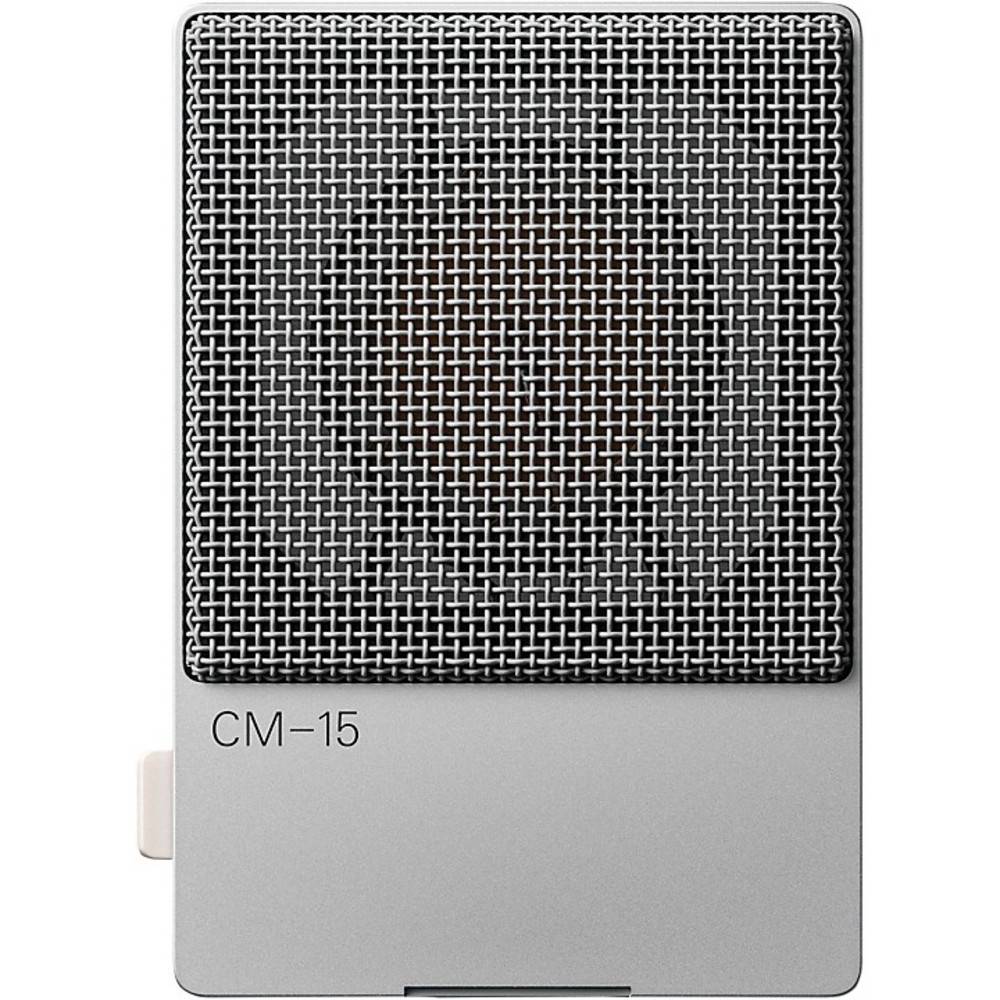
 Perfect Circuit
The reason this device is trending among my colleagues in the creative industry is its versatility. It functions as a USB-C microphone, a 3.5mm line-out device, and a phantom-powered XLR microphone simultaneously. In my experience, finding this level of fidelity in a device this small is rare. However, the availability in Malaysia remains inconsistent, leading to inflated prices that I cannot justify as a logistics expert.
The logic behind sourcing from the US
I have compared the retail figures across multiple regions and the data is clear. In the United States, the CM–15 maintains a steady professional price point. Meanwhile, Malaysian retailers often add a significant markup to cover their own import overheads and low-volume stock risks. I have observed price differences as high as 25% when comparing US retail to local Malaysian shelf prices.
By using a tax-free US address, I can access the same pricing as a US-based studio. This allows me to bypass the local retail layer entirely. When I shop US stores, I am looking at the base cost before the layers of regional distribution fees are added. For a high-ticket item like the CM–15, these savings are substantial enough to cover the entirety of my international shipping rates and still leave a significant margin in my pocket.
Logistics and shipping estimates for Malaysia
I believe in data-driven decisions, so I have compiled the physical logistics profile for the CM–15. This is essential for anyone using a shipping calculator to forecast their landed cost.
| Metric | Estimated Value |
|---|---|
| Box Weight | Approx. 0.6 kg (1.3 lbs) including retail packaging |
| Box Dimensions | Small (Approx. 15cm x 11cm x 6cm) |
| Volumetric Weight | Minimal risk; the item is dense and small. |
| Battery Type | Integrated Lithium-ion (Rechargeable) |
My logistics assessment suggests that since the CM–15 is a compact device, you won't be penalized for volumetric weight. Most international shipping service providers will charge based on the actual weight because the box is so small. I recommend consolidating this with other small items to maximize your shipping value.
Navigating lithium battery regulations
One detail I must highlight is the internal battery. The CM–15 features a rechargeable battery that provides up to 10 hours of use. Because it contains a lithium-ion cell, it falls under specific IATA shipping regulations. When I use a freight forwarder, I make sure they are equipped to handle "Lithium Ion Batteries Contained in Equipment" (UN3481). Most reputable couriers handling US-to-Malaysia routes are well-versed in this, but it is a factor that prevents the use of some budget-tier postal services. We must ensure the package is labeled correctly to avoid delays at the departure hub.
Understanding Malaysian import duties and tax
When the microphone arrives in Malaysia, it will be subject to the prevailing import duties and Sales and Service Tax (SST). As of 2026, I have noticed that electronic components and microphones occasionally fall under specific tariff codes that might be duty-exempt, but SST is almost always applicable if the value exceeds the de minimis threshold. I always check the latest updates on customs tax to ensure I have set aside enough for the post-arrival clearance. This transparency is vital for a professional logistics workflow.
The step-by-step guide to my procurement strategy
I follow a strict protocol to ensure my gear arrives safely and cost-effectively. First, I secure my item from a reputable US retailer using my comGateway account. This gives me a presence in a tax-free state, which is my first layer of savings.
Once the item reaches the warehouse, I review the international shipping options. For a delicate instrument like the CM–15, I never choose the cheapest possible route; I opt for a carrier with robust tracking. If you are new to this, I suggest looking at the step-by-step guide provided by the forwarder to understand the consolidation and declaration process. My method has consistently delivered professional gear to my doorstep in Kuala Lumpur faster and cheaper than waiting for local distributors to restock their overpriced units.
-
April 26, 2026
Save $450 on the Teenage Engineering CM-15 by using a US freight forwarder for Australia delivery
Avoid the high Australian retail markup on the CM-15 Field Microphone. Use a tax-free US address to save hundreds on your 2026 studio setup.Continue Reading
-
April 26, 2026
Mic Check, One-Two: The 5 Essentials for Scoring a CM–15 in Singapore Without a Feedback Loop
Is your studio setup feeling a little too quiet without a mic that fits in your palm but packs a punch like a heavyweight champ?Continue Reading
-
April 26, 2026
Is it actually cheaper to get the Teenage Engineering CM–15 from the US shipped to China?
Ever wondered why pros in China are ordering the Teenage Engineering CM–15 from the US instead of local shops? Here is how they save money in 2026.Continue Reading
-
April 26, 2026
Immediate alert for UK producers to save £215 on the Teenage Engineering CM-15 via US sourcing
UK retail prices for the Teenage Engineering CM-15 are significantly inflated compared to US markets. Act now to secure this professional tool for less.Continue Reading
-
April 26, 2026
Is there a specific reason Indian producers are sourcing the CM–15 Field Microphone directly from the US?
Discover why the Teenage Engineering CM–15 is currently cheaper to import to India from the US and how you can manage the logistics efficiently in 2026.Continue Reading