



Testing the Field Company No. 8 skillet to see if it justifies the shipping cost to Switzerland
Table of Contents
Understanding the hype behind Field Company in 2026
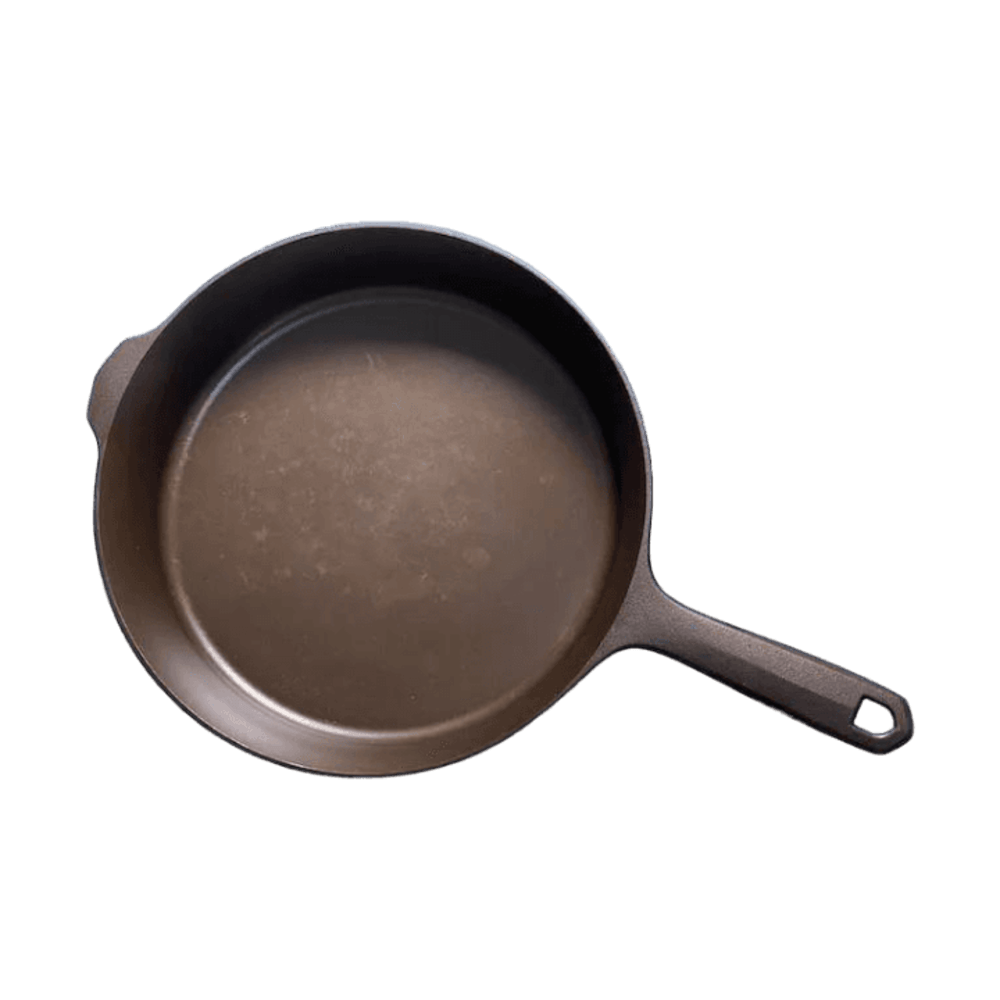
Is a heavy piece of iron really worth an international flight? If you have spent any time in culinary circles lately, you have probably heard people talking about the Field Company No. 8 Cast Iron Skillet. In 2026, the trend has moved away from the heavy, sand-blasted pans of the past toward something that feels a bit more like a precision tool. While Switzerland has incredible stainless steel options, there is a specific charm to American cast iron that is incredibly hard to replicate locally.
 Amazon US
The Field No. 8 is trending because it solves the biggest complaint about cast iron: the weight. It weighs about the same as a standard 10-inch stainless steel pan but retains heat like a beast. The surface is machined smooth, mimicking the vintage pans from the early 20th century that collectors pay hundreds for at auctions. Since these are not widely stocked in European retail hubs, many enthusiasts look toward popular products in the US market to upgrade their kitchens.
Buying directly from US stores
Finding a Field Company skillet in Zurich or Geneva usually results in a dead end or a massive markup from boutique importers. The most straightforward way to get one is to shop us store sites directly. By purchasing from the official Field Company website or premium US kitchen retailers, you ensure you are getting the authentic 2026 model with the latest seasoning process.
Most US retailers do not offer direct international shipping to Switzerland, or if they do, the rates are astronomical. This is where a freight forwarder becomes your best friend. Instead of hitting a shipping wall at checkout, you can send your pan to a US-based hub first. This often allows you to take advantage of domestic free shipping offers within the States before the item makes its way across the Atlantic.
Shipping your skillet to Switzerland
Using a parcel forwarding service simplifies the process of getting American goods to your Swiss doorstep. When you sign up for a service like comGateway, you receive a tax-free us address. This address is located in a state without sales tax, meaning the price you see on the US website is exactly what you pay—no added state taxes during the initial purchase.
If you are curious about the technical steps, this step-by-step guide explains how to manage your package from the moment it arrives at the warehouse to the moment it clears Swiss customs. It is much easier than trying to coordinate with private sellers or dealing with unpredictable postal services.
Shipping Estimates for the No. 8 Skillet
Before you commit to your purchase, it helps to know what the package looks like for your logistics planning. Here are the estimates for a standard Field Company No. 8 Cast Iron Skillet:
| Feature | Details |
|---|---|
| Box Weight | Approx. 5.0 lbs (2.27 kg) including protective packaging. |
| Box Dimensions | Approx. 18" x 12" x 4" (Medium-sized box). |
| Volumetric Warning | Low. Because cast iron is dense and heavy, the actual weight is almost always higher than the volumetric weight. You will likely be charged based on actual weight. |
| Battery Check | None. This item contains no lithium batteries or electronic components. |
To get a precise quote based on current 2026 fuel surcharges, you should use a shipping calculator. This tool allows you to plug in the weight and see exactly what you will pay to forward packages to your specific Swiss canton.
Managing Swiss import duties and VAT
Switzerland has specific rules for importing goods from outside the DACH region. When your skillet arrives, you will likely be responsible for the Swiss VAT (currently around 8.1% as of 2026) and potentially some small administrative fees from the courier. Because the skillet is a relatively straightforward household item, it does not usually face the same scrutiny as electronics or textiles.
Checking out a guide on import duties is a smart move to avoid surprises. While the Field Company No. 8 is a premium item, the durability means you are essentially buying a tool that will last for several generations, making the one-time estimate shipping cost a worthy investment for your home kitchen. Using a reliable package forwarding partner ensures that the pan is packed securely, preventing any cracks or chips during its journey from the US to Switzerland.
-
March 27, 2026
Field Company No. 8 vs Mass Market Iron: The Financial Logic of US Imports for Singapore Chefs
A professional analysis of importing the Field Company No. 8 cast iron skillet to Singapore in 2026, comparing US retail prices vs local alternatives.Continue Reading
-
March 27, 2026
Acquiring the Field Company No. 8 skillet from the USA for a fraction of Malaysian retail prices
Discover why the Field Company No. 8 Cast Iron Skillet is a culinary favorite in 2026 and how to ship it to Malaysia without paying high boutique premiums.Continue Reading
-
March 27, 2026
The urgent demand for Field Company No. 8 cast iron skillets in Australia
Australian kitchens require professional-grade tools and the Field Company No. 8 cast iron skillet is the primary target for serious home cooks in 2026.Continue Reading
-
March 27, 2026
Field Company No. 8 vs. Netherton Foundry: A price check for UK home cooks in 2026
Is importing the Field Company No. 8 cast iron skillet from the US cheaper than buying premium iron locally? We break down the costs for UK shoppers.Continue Reading
-
March 27, 2026
Financial loss vs successful acquisition: The risks of mismanaging Field Company skillet imports to Hong Kong
Ignoring merchant security protocols for your Field Company No. 8 order leads to cancellations. Learn how to secure your Hong Kong delivery for 2026.Continue Reading

