
 日本語
日本語
 繁體中文
繁體中文
 简体中文
简体中文


My efficient strategy for importing the Garmin Fenix 8 Solar Sapphire Edition to Australia
Table of Contents
Why I am watching the Garmin Fenix 8 Solar Sapphire Edition release
I have spent years tracking the evolution of wearable technology, and the June 2026 launch of the Garmin Fenix 8 Solar (Sapphire Edition) marks a significant milestone in outdoor performance gear. The integration of the latest MicroLED display technology alongside enhanced solar charging efficiency has made this the most anticipated release of the year for my endurance training. As someone who values data accuracy and battery longevity, I see this specific model as the benchmark for the current market.
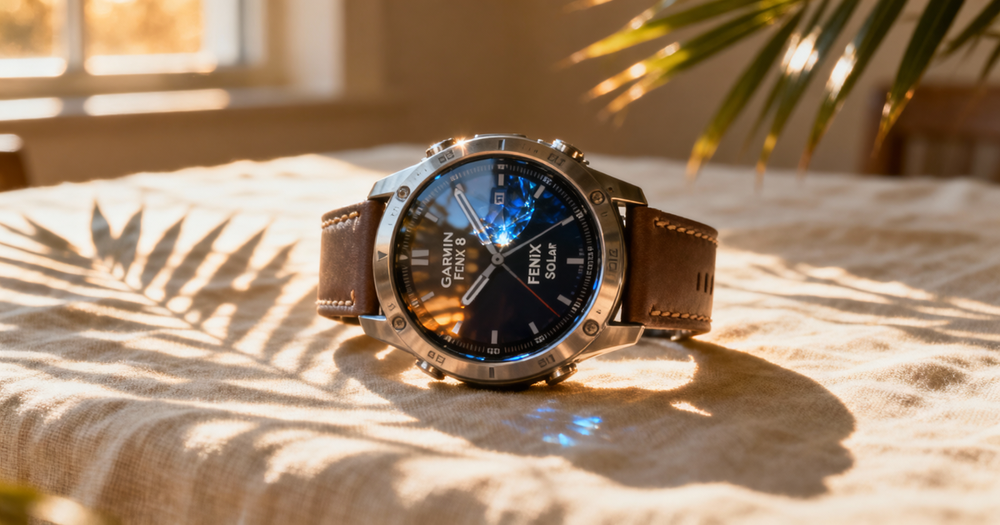
The Sapphire Edition, with its scratch-resistant lens and titanium bezel, remains the premium choice for those of us who put our gear through harsh environments. However, as is often the case with global tech launches, availability and pricing are not uniform across all regions. I noticed immediately that the US retail market received priority stock and more aggressive pricing than what we typically see in the Asia-Pacific region.
The 2026 price gap for Australians
I recently compared the retail figures and discovered that the US version of the Fenix 8 is approximately 25% cheaper than the projected Japanese and Australian retail prices. When I factor in the current exchange rates, the savings are substantial enough to justify the effort of importing directly from a US retailer. For an Australian athlete, this price discrepancy can amount to several hundred dollars—capital that I would much rather keep in my pocket or spend on other gear.
To take advantage of these savings, I rely on a tax-free US address. By using a service that provides a dedicated warehouse in a sales-tax-free state like Oregon, I avoid the 7-9% domestic US sales tax that usually applies at checkout. This is the first step in my streamlined process to ensure I am getting the absolute lowest price possible.
My hands-off method for US shopping
I prefer to spend as little time as possible on logistics paperwork. My strategy involves using comGateway as my primary freight forwarder. This allows me to shop US store sites just like a local resident. Once I have made my purchase, the item is sent to my US suite, where it is inspected and prepared for international transit.
I find this "lazy method" highly effective because it removes the need to worry about whether a US retailer offers direct international shipping. Most US-based outdoor retailers provide free domestic shipping to Oregon, meaning my only real logistics cost is the final leg from the US to my doorstep in Australia. I always use the shipping calculator beforehand to get a clear estimate shipping cost so there are no surprises when the final invoice arrives.
Overcoming store restrictions with BuyForMe
I have encountered a common hurdle when trying to buy from major US retailers: the dreaded order cancellation. Many high-end tech stores and brands like Apple or Nike often block international credit cards or refuse to ship to known forwarding addresses. If you try to purchase the Fenix 8 from a store with these strict policies, your order might be declined immediately.
To solve this, I use the comGateway "BuyForMe" service. This is my preferred solution for difficult stores because it bypasses the credit card block entirely. We place the order on your behalf using a US domestic payment method and a residential-style address. This is the safest way to guarantee your order doesn't get cancelled, as the retailer sees it as a standard domestic transaction. I find this service invaluable when I am chasing a high-demand product that is prone to being flagged by automated security systems.
Managing Australian import duties and shipping costs
I am often asked about the hidden costs of importing electronics. In 2026, the rules for Australian customs remain consistent, but it is vital to stay informed. When I ship to Australia, I have to account for the Goods and Services Tax (GST). For items valued over AUD 1,000, you may be liable for additional import duties.
Check our guide on customs tax to understand how these fees are calculated at the border. I personally prefer to have my forwarder handle the duty estimation so that I can pay everything upfront. This prevents the package from being held at the Australian border, ensuring a faster Australia delivery. For a premium watch like the Garmin Fenix 8, I also recommend adding shipping insurance, which I find to be a small price to pay for peace of mind during a long-haul flight.
Final checks before you ship to Australia
Before I click the ship button, I perform a few final checks. First, I ensure that the Garmin Fenix 8, which contains a lithium-ion battery, complies with international aviation standards. You might also like to check our guide on prohibited items to see how we manage restricted goods. Fortunately, most modern smartwatches are perfectly safe to ship if packaged correctly by professional handlers.
If I ever have doubts about the process, I visit the FAQ or contact the support team. They have helped me clarify specific shipping rules for high-value electronics in the past. By following this structured approach, I can secure the latest Garmin technology months before it hits local shelves, all while saving a significant amount of money with minimal effort. This remains my go-to strategy for buy from US ship to Australia scenarios in 2026.
-
June 15, 2026
US Retailers vs Singapore Local Shops: The fastest way to get your Garmin Fenix 8 Solar via package forwarding
The Garmin Fenix 8 Solar (Sapphire Edition) just dropped, and while Singapore prices are steep, buying from the US could save you 25% right now.Continue Reading
-
June 15, 2026
Is it actually cheaper to buy the Garmin Fenix 8 Solar from the US and ship it to Malaysia?
Exploring if the 2026 Garmin Fenix 8 Solar (Sapphire Edition) is worth the international shipping hassle for Malaysian athletes.Continue Reading
-
June 15, 2026
Garmin Fenix 8 Solar Sapphire Edition US Import vs. UK Retail Price
British athletes face a significant pricing dilemma with the 2026 Garmin Fenix 8 launch that requires a professional logistics strategy to solve.Continue Reading
-
June 15, 2026
Save $350 on the Garmin Fenix 8 Solar by getting it from the US instead of local shops
The Garmin Fenix 8 Solar Sapphire just launched this June 2026. Here is how Kiwi shoppers can save around $350 by sourcing it directly from the United States.Continue Reading
-
June 15, 2026
Scoring a Garmin Fenix 8 Solar for 25% less by shopping stateside
Getting the latest Garmin Fenix 8 Solar (Sapphire Edition) doesn't have to drain your bank account if you know how to leverage US prices from Japan.Continue Reading