



Is the Analogue Pocket Classic Edition actually superior to the handhelds I can buy in Japan?
I have spent years collecting retro handhelds in Tokyo, but my attention recently shifted to the Analogue Pocket (Classic Edition). Despite the abundance of local options, Japanese enthusiasts like myself are increasingly looking toward the US market to secure this specific hardware. The demand in 2026 has reached a peak where local stock is non-existent, and the screen quality remains unmatched by competitors.
Why Analogue Pocket is Trending in 2026
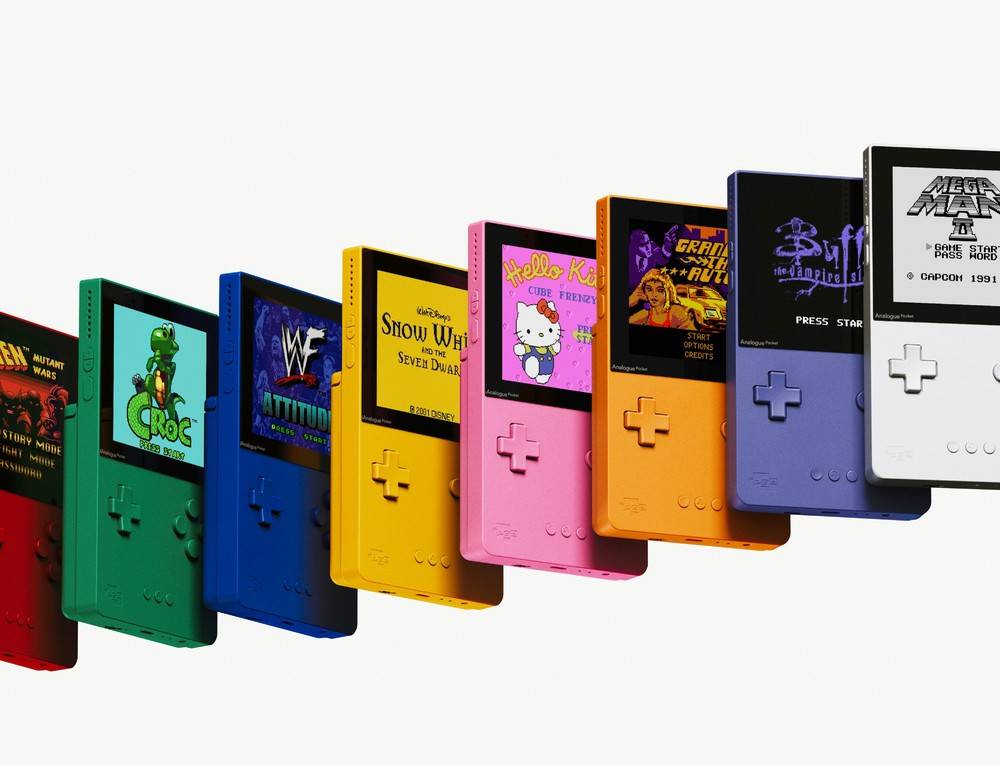
I find the Analogue Pocket Classic Edition fascinating because it does not rely on software emulation. Instead, it uses FPGA technology to replicate original hardware at a transistor level. This results in zero lag and perfect accuracy for Game Boy, Game Boy Color, and Game Boy Advance cartridges. In 2026, the "Classic Edition" aesthetic has become a status symbol among collectors, offering a premium feel that mass-produced plastic handhelds lack.
The display is the primary reason I chose to shop US store options rather than settling for what is available locally. With its 1600x1440 resolution, the pixel density makes original games look better than they did on the original hardware. Since these units are frequently out of stock, I have to monitor US drops closely to have any chance of owning one.
The Difficulty of Buying From the USA
I quickly realized that wanting an Analogue Pocket and actually buying one are two different challenges. Most high-end tech retailers in the US are notoriously difficult for international buyers. When I tried to purchase my unit, I encountered several hurdles that most Japanese gamers might not expect. Many US stores have strict policies that flag international credit cards or simply refuse to ship to addresses they associate with logistics companies.
Even if you have a tax-free US address, some retailers will cancel your order the moment they detect a non-US billing address. This is a common frustration when trying to secure limited-edition electronics or high-demand gaming gear from major American storefronts.
Overcoming Store Blocks with BuyForMe
I found a solution to the problem of cancelled orders and blocked credit cards. Some US stores, including tech outlets and brands like Apple or Nike, often block international payment methods or decline orders sent to a freight forwarder. This happens because their systems are designed to prioritize domestic customers with US-issued cards.
To fix this, I used the comGateway BuyForMe service. This is an assisted purchase program where the comGateway team buys the item on my behalf using a US domestic credit card. This is the safest way to guarantee that an order does not get cancelled by a picky retailer. By using this proxy shopping method, I bypassed the regional payment blocks that usually stop my Japanese cards from working on US sites.
Shipping the Analogue Pocket to Japan
Once the item was secured at the warehouse, I had to manage the logistics of getting it to my door. I always recommend using a shipping calculator before committing to a purchase. This allowed me to see exactly what I would be paying for the journey from the US to Japan. For a small handheld like the Analogue Pocket, the weight is minimal, but I always opt for tracked shipping to ensure its safety.
I checked the international shipping rates to compare different speed options. While some prefer the cheapest possible route, I chose a faster method because I wanted to test the hardware as soon as possible. My experience with Japan delivery through comGateway has always been reliable, with packages arriving in Tokyo within a few business days of leaving the US warehouse.
Understanding Import Costs and Rules
I make it a habit to stay updated on what I can and cannot bring into the country. Before I shipped my console, I reviewed the list of prohibited items to ensure there were no issues with lithium batteries or specific electronic components. You might also like to check our guide on shipping electronics internationally to see if there are any specific 2026 regulations you should know about.
Regarding costs, remember that international shipping is only one part of the equation. You should also account for Japanese consumption tax upon arrival, though the process for a single handheld is usually straightforward. Using a buy from US ship to Japan service simplifies this by providing all the necessary documentation for customs.
My Final Verdict on the Classic Edition
I believe the Analogue Pocket Classic Edition is absolutely worth the effort of importing. The hardware feels more substantial than any of the handhelds I currently find on the shelves in Akihabara. While the process of buying from the US requires a few extra steps—like using a BuyForMe service—the end result is a gaming experience that cannot be replicated elsewhere.
| Feature | Analogue Pocket | Standard Handhelds |
|---|---|---|
| Technology | FPGA (Hardware Level) | Software Emulation |
| Screen | 1600x1440 Gorilla Glass | Standard LCD |
| Build Quality | Premium Classic Edition | Mass Market Plastic |
If you are serious about your retro library, I suggest you stop waiting for a local release that might never come. Secure your unit from a US store and use a reliable ship to Japan service to handle the rest. My experience shows that with the right tools, getting US-exclusive tech is no longer a headache.
-
March 13, 2026
The Analogue Pocket Classic Edition is becoming the most imported handheld in Australia
Getting the Analogue Pocket Classic Edition delivered to Australia is simpler than most people realize when using the right US forwarding strategy.Continue Reading
-
March 13, 2026
Why your Analogue Pocket order will likely be cancelled without a US domestic payment strategy
Malaysian retro gamers risk immediate order cancellations when purchasing the Analogue Pocket from US retailers without a domestic payment solution.Continue Reading
-
March 13, 2026
Is the Analogue Pocket Classic Edition procurement pipeline from the United States to China currently optimized?
An authoritative analysis of the fastest acquisition methods for the Analogue Pocket Classic Edition, focusing on logistics efficiency for China-based collectors.Continue Reading
-
March 13, 2026
My professional strategy for importing the Analogue Pocket Classic Edition to India via a freight forwarder
I breakdown my personal process for importing the rare Analogue Pocket Classic Edition to India, covering logistics, costs, and battery shipping regulations.Continue Reading
-
March 13, 2026
Buying an Analogue Pocket Classic Edition from the US to the UK is a three-step process
Getting your hands on an Analogue Pocket Classic Edition in the UK feels like a mission, but this plan makes the US import process straightforward.Continue Reading

