
 English
 繁體中文
繁體中文
 简体中文
简体中文


Framework Laptop 13 DIY vs Standard Australian Retail Laptops: Is a modular blueprint the secret to a device that outlasts the rest?
- Why the Framework Laptop 13 DIY Edition has become an obsession for Australian builders
- Framework Laptop 13 DIY vs Traditional Retail Laptops: Comparing long-term value
- The repairability factor vs disposable tech
- The blueprint for importing your Framework Laptop 13 from the USA
- Shipping Estimates and logistical considerations for Australia
- Battery safety and shipping rules
- BuyForMe vs Direct Purchase: Solving the international credit card puzzle
- A 2026 perspective on modular computing in Australia
Why the Framework Laptop 13 DIY Edition has become an obsession for Australian builders
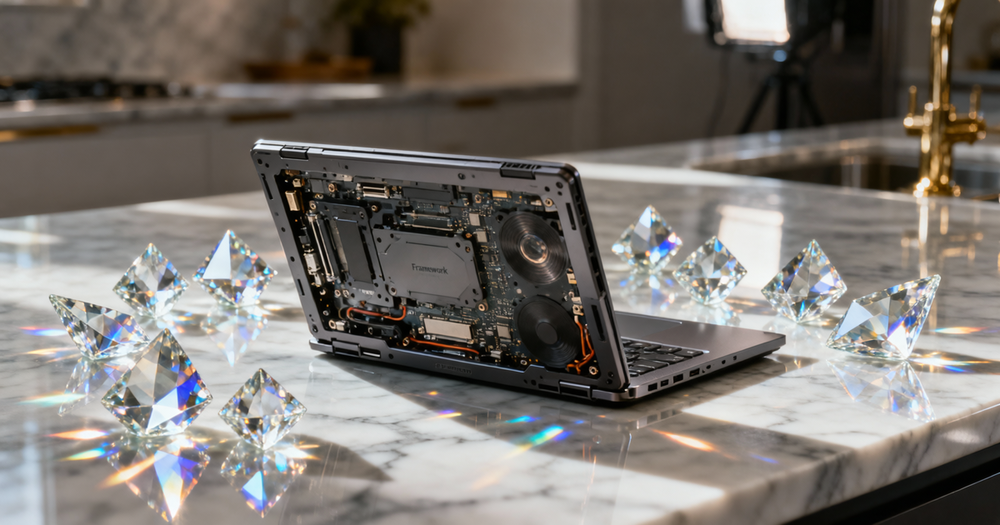
As we move through February 2026, a specific shift in consumer behavior has become increasingly apparent. Technology enthusiasts in Australia are no longer content with the closed-ecosystem machines found on local store shelves. The Framework Laptop 13 (DIY Edition) has emerged as a focal point for those who value longevity over planned obsolescence. It isn't just a computer; it is a modular project that invites the user to understand exactly what is happening under the keyboard.
 Amazon US
The allure of the DIY Edition lies in its transparency. While most manufacturers solder components to the motherboard, Framework provides a blueprint for a machine that can be upgraded piece by piece. This modularity is particularly attractive for Australians who often face higher local prices for fixed-spec machines that cannot be improved as software demands grow over the years.
Framework Laptop 13 DIY vs Traditional Retail Laptops: Comparing long-term value
When looking at the Framework Laptop 13 DIY vs traditional retail laptops, the comparison usually begins with the initial price tag but quickly shifts to the cost of ownership. A standard laptop purchased in a Sydney or Melbourne electronics store is essentially a static investment. If you need more RAM or a faster processor in two years, you are usually forced to buy an entirely new unit. This creates a cycle of waste and recurring high-capital expenditure.
By contrast, the Framework blueprint allows for individual component swaps. If the 2026 processor standards evolve, you simply replace the mainboard rather than the entire chassis. This architectural plan for your tech stack ensures that the shell of your machine remains relevant for a decade, drastically reducing the total cost of ownership compared to the high-turnover nature of standard retail offerings.
The repairability factor vs disposable tech
A significant part of the intrigue involves the right to repair. Standard laptops are often held together by proprietary screws and excessive adhesive. The Framework Laptop 13 (DIY Edition) includes a screwdriver in the box, signaling a different relationship between the user and the manufacturer. This approach challenges the disposable nature of modern electronics, offering a path for those who prefer to fix rather than replace.
The blueprint for importing your Framework Laptop 13 from the USA
Despite its popularity, the Framework Laptop 13 (DIY Edition) often sees its best availability and configuration options within the US market. For Australians, this often means looking toward international sources to get the exact specifications desired. Utilizing a parcel forwarding service is the standard method for bridging the gap between US-only inventory and Australian doorsteps.
By securing a tax-free us address, you can shop at the US Framework store as if you were a local resident. This allows you to avoid certain US state taxes and gives you access to the full DIY kit, which includes the choice of expansion cards (USB-C, HDMI, MicroSD) that may be out of stock in other regions. To understand the full process of getting your components from the warehouse to your home, you can follow this step-by-step guide on international logistics.
Shipping Estimates and logistical considerations for Australia
Before committing to a modular build, it is wise to calculate the logistics of getting the hardware to Australia. Because the DIY Edition is shipped as a kit, the packaging is designed for component safety, which influences the box dimensions. You should use a shipping calculator to get a precise quote based on your specific configuration.
| Factor | Estimate |
|---|---|
| Box Weight | Approx. 2.3 kg (5.0 lbs) including protective packaging. |
| Box Dimensions | Medium (Approx. 38cm x 28cm x 12cm). |
| Volumetric Warning | The item is relatively dense. Volumetric weight is unlikely to exceed actual weight unless extra-large padding is added. |
| Import Duty | Check current Australian GST thresholds for imports exceeding $1,000 AUD. |
Battery safety and shipping rules
The Framework Laptop 13 contains a high-capacity lithium-ion battery. This classifies the shipment under specific shipping rules regarding hazardous materials. Most international carriers can handle laptops with integrated batteries, but they must be declared correctly. Ensuring your freight forwarder is experienced with these regulations is vital for a smooth Australia delivery without customs delays.
BuyForMe vs Direct Purchase: Solving the international credit card puzzle
A common hurdle when trying to shop us store sites is the payment gateway. Many US retailers, including some high-demand tech brands, may decline transactions made with international credit cards or flag orders sent to known shipping hubs. This can be a frustrating barrier for Australians ready to invest in a modular machine.
The solution is the comGateway "BuyForMe" service. Instead of risking a cancelled order, you provide the details of the Framework kit you want, and the service purchases it on your behalf using a US-based payment method. This bypasses the regional restrictions and guarantees that your modular blueprint becomes a reality. This method is often the safest way to ensure your order is processed immediately during high-demand product drops.
A 2026 perspective on modular computing in Australia
As we look at the tech landscape in 2026, the Framework Laptop 13 (DIY Edition) represents more than just a trend; it is a shift toward sustainable, user-led computing. While it requires a bit more effort to buy from US ship to Australia, the reward is a machine that evolves alongside your needs. For those who want to estimate shipping cost and start their build, the tools are readily available to make the process transparent and efficient. In a world of locked-down hardware, choosing to build from a modular blueprint is perhaps the most curious and rewarding choice a tech enthusiast can make this year.
-
February 09, 2026
US Direct vs Singapore Availability for the Framework Laptop 13 DIY Edition
Getting a Framework Laptop 13 in Singapore is a challenge. Here is how to use a US address to bypass local stock issues in 2026.Continue Reading
-
February 09, 2026
Protecting your Framework Laptop 13 DIY Edition order from major Malaysia shipping pitfalls
Avoid losing your Framework Laptop 13 DIY Edition to shipping errors. Learn how to safely import this modular laptop to Malaysia from US stores in 2026.Continue Reading
-
February 09, 2026
Procuring the Framework Laptop 13 DIY Edition from US sources to bypass regional availability gaps in Hong Kong
Secure your modular laptop hardware by leveraging US-based stock and reliable logistics for delivery to Hong Kong.Continue Reading
-
February 09, 2026
Will your Framework Laptop 13 DIY Edition order from the USA get cancelled without warning?
A serious analysis of why importing the Framework Laptop 13 DIY Edition to India in 2026 requires more than just a standard checkout process.Continue Reading
-
February 09, 2026
Architecting your ideal Framework Laptop 13 build via international shipping to China
Assemble your dream modular laptop in 2026 by sourcing the Framework Laptop 13 DIY Edition directly from the US for delivery to China.Continue Reading