



Table of Contents
Understanding why Japan loves the modular design
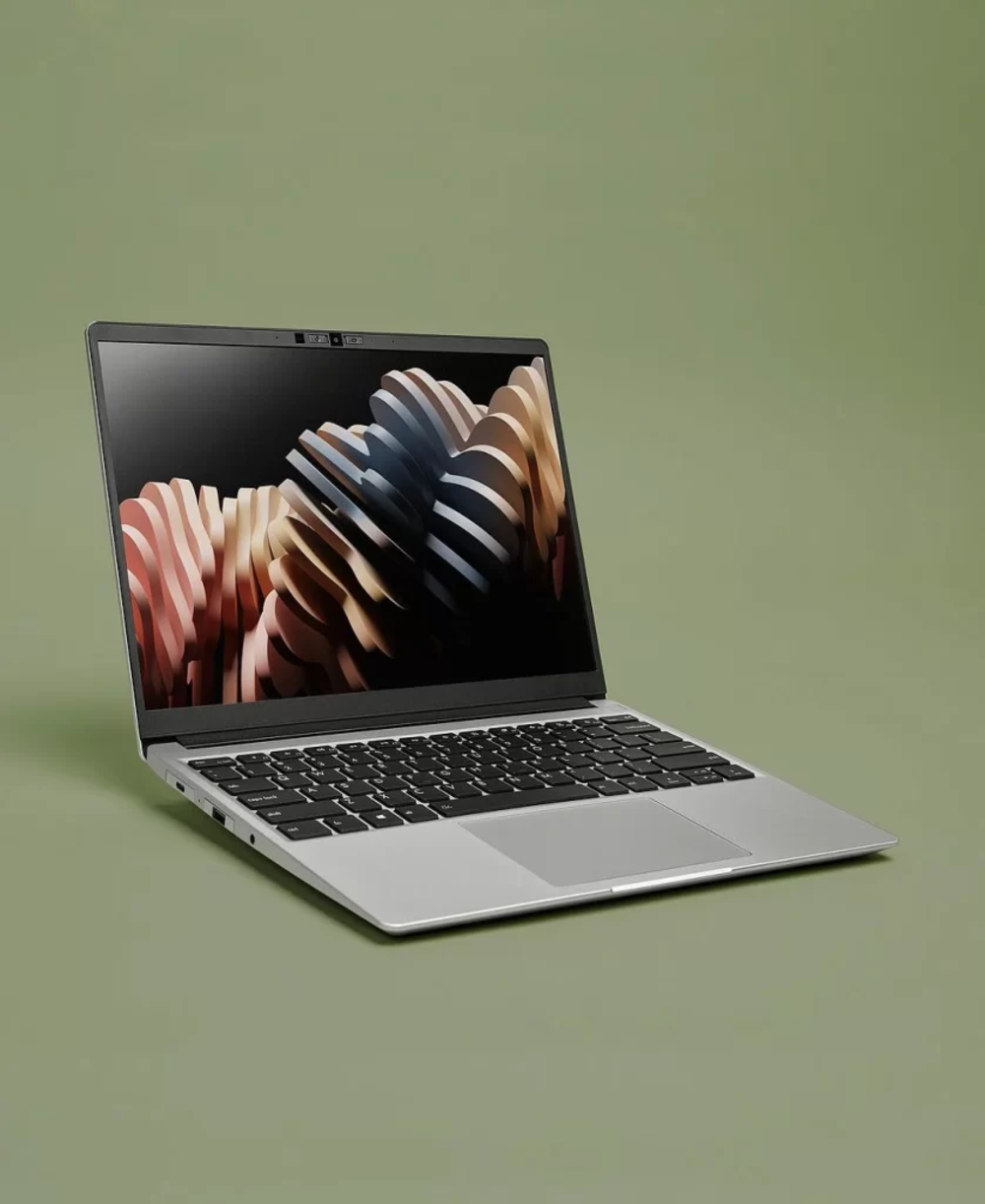
Finding a laptop that respects your right to repair has become a major talking point among tech enthusiasts in Tokyo and Osaka this 2026. The Framework Laptop 13 (DIY Edition) stands out because it rejects the trend of soldered components. In a market where high-end ultrabooks often require total motherboard replacements for a simple RAM upgrade, Framework allows users to swap ports, keyboards, and even mainboards with ease. This modularity is driving significant interest across Japan, as it aligns with a growing movement toward sustainable, long-lasting electronics. Checking the latest us trends shows that Framework remains at the top of the list for users who value longevity over planned obsolescence.
Customizing your tech with US-specific parts
Opting for the DIY Edition isn't just about saving money; it is about getting the exact hardware configuration you need. Many developers and writers in Japan prefer the US-English keyboard layout over the standard JIS layout found in local stores. By purchasing from the US, you can select the specific keyboard and expansion cards—like MicroSD readers, HDMI 2.1, or high-speed USB-C ports—that suit your workflow. Since some of these modules are frequently out of stock or unavailable through third-party local resellers, buying directly from the source is the most reliable way to build your machine. You can use a package forwarding service to bridge the gap between US retailers and your home in Japan.
Estimating your shipping costs and box dimensions
Calculating the logistical side of your purchase is essential before you hit the checkout button. The Framework Laptop 13 is relatively compact, but the DIY Edition includes separate packaging for the modules, which can add a bit of bulk to the shipping box. Below are the estimated specifications for a typical Framework Laptop 13 DIY Edition shipment:
| Detail | Estimated Value |
|---|---|
| Box Weight | Approx. 2.5 kg (5.5 lbs) |
| Box Dimensions | Medium (Approx. 38 x 30 x 12 cm) |
| Volumetric Warning | Low risk. The item is dense enough that actual weight usually determines the price. |
| Battery Check | Contains one Lithium-ion battery (typically pre-installed or inside the chassis). |
Because this laptop contains a lithium battery, it must be shipped according to international dangerous goods regulations (specifically UN3481). Most major carriers allow this as long as the battery is contained within the equipment. To get a precise quote, you should use a shipping calculator to see how these dimensions impact your total cost. Remember that international shipping rates can fluctuate based on fuel surcharges and carrier demand in 2026.
Setting up your US shipping address for Japan delivery
Buying from the US store often requires a domestic shipping address that many international retailers won't provide. Using comGateway gives you a tax-free us address in Oregon, which means you avoid paying US sales tax on your Framework purchase. Once your laptop arrives at the warehouse, you can choose your preferred carrier for the final leg of the journey. This method is the most efficient way to ship to Japan while maintaining full control over the transit time and insurance options. If you are buying multiple expansion cards or extra accessories, you can even consolidate them into one box to save on fees.
Clearing customs in Japan without the headache
Importing electronics into Japan is generally straightforward, but you should be prepared for the consumption tax. While laptops are typically duty-free (0% import duty), you will still need to pay the standard Japanese consumption tax (10%) on the total value of the goods and shipping. If your total order value is under ¥16,666, it may be exempt from these taxes, but a Framework Laptop will certainly exceed this threshold. Usually, the courier (like FedEx or DHL) will handle the customs clearance and send you an invoice for the tax after the Japan delivery is complete. Keeping your invoices ready will ensure there are no delays at the border. By using a reputable freight forwarder, you ensure that all documentation is correctly attached to your parcel for a smooth entry into the country.
-
February 15, 2026
Strategic Acquisition of the Framework Laptop 13 (DIY Edition) for 2026: Save 1,500 RMB on Import Costs
Optimize your technical setup by acquiring the Framework Laptop 13 (DIY Edition). This blueprint details how to save 1,500 RMB through efficient US logistics.Continue Reading
-
February 15, 2026
The essential factors I consider when importing a Framework Laptop 13 DIY Edition to Malaysia
My professional take on how to secure the Framework Laptop 13 (DIY Edition) from the US and ship it to Malaysia without common logistics headaches in 2026.Continue Reading
-
February 15, 2026
Framework Laptop 13 DIY US vs Australian Retail: Essential Procurement Facts for 2026
Get the facts on sourcing the Framework Laptop 13 DIY Edition from the US to Australia, including how to bypass payment blocks and shipping hurdles.Continue Reading
-
February 15, 2026
Questioning the superiority of local retail compared to importing a Framework Laptop 13 (DIY Edition) to Singapore
Securing a modular laptop from the US ensures your hardware remains relevant long after local retail options fail by leveraging a tax-free US address.Continue Reading
-
February 15, 2026
I found a massive price difference for the Framework Laptop 13 DIY Edition in India and we need to act now
I analyzed the cost of getting the Framework Laptop 13 DIY Edition in India and the savings from US imports are too significant to ignore right now.Continue Reading

