



Why did I choose to import the Framework Laptop 13 2026 Edition from the US instead of buying locally in Singapore?
Table of Contents
The Hype: Why the Ryzen AI 300 Series is My Choice in 2026
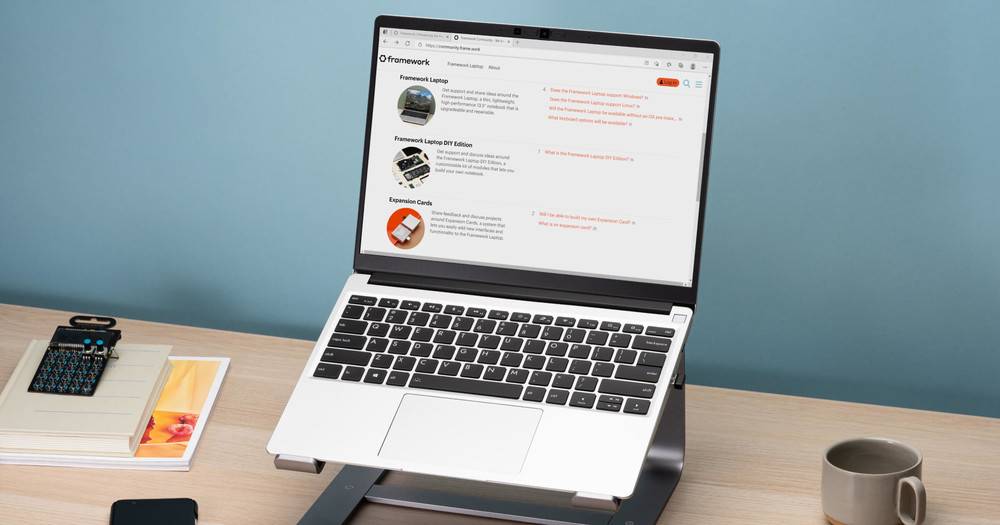
I have tracked the evolution of modular computing for years, and the Framework Laptop 13 (2026 Edition - Ryzen AI 300 Series) represents a significant milestone. My decision to upgrade this year was driven by the new AMD architecture, which integrates a powerful neural processing unit (NPU) capable of handling local AI workloads that I find essential for my daily productivity. I observed that [us trends](https://www.comgateway.com/trends/) show a massive shift toward these AI-integrated laptops, and the Framework 13 is currently among the [popular products] leading that transition.
 Amazon US
I value the ability to swap expansion cards and repair my own hardware. In 2026, most manufacturers have moved toward even more proprietary designs, but Framework continues to respect the user's right to repair. I specifically wanted the DIY Edition, which allows me to select my own high-speed DDR5 memory and Gen5 NVMe storage—components that I already own and want to repurpose.
My Reasons for Avoiding Local Singapore Resellers
I often find that Singaporean resellers apply a significant markup to niche tech products. When I compared the prices for the Framework Laptop 13 2026 Edition, I noticed that local listings were nearly 25% higher than the US retail price. Furthermore, the DIY Edition—the very model I required—is frequently unavailable in the Singapore retail market. Most local distributors prefer to stock pre-configured units that carry higher margins, which limits my ability to customize the machine to my specific professional needs.
I also realized that by purchasing directly from the US, I could access the full range of expansion cards and localized keyboard layouts that aren't always kept in stock locally. My assessment of the market confirmed that importing was the only way to get exactly what I wanted without paying a premium for convenience that didn't actually exist.
Accessing US-Only Inventory
I discovered that many of the latest Framework modules, such as the new high-refresh-rate display panels and specialized SD card expansion slots, were only available through the official US storefront. I wanted to ensure my 2026 build was as future-proof as possible, which meant I had to [shop us store] directly to get the latest revisions of the hardware.
Solving the Payment Block with the BuyForMe Service
I encountered a common frustration when attempting my purchase: many US stores have become increasingly aggressive in blocking international credit cards. I found that the Framework store, like many other high-profile tech vendors, often cancels orders if the billing address does not match a US-issued card. I also know that some stores automatically flag addresses associated with logistics hubs, which can lead to immediate order cancellation.
I solved this problem by using the [BuyForMe service](https://www.comgateway.com/faq/category/buy-for-me/). Through this [assisted purchase] option, I had comGateway act as my proxy. They used a US domestic payment method to buy the laptop on my behalf, ensuring that the transaction was approved without the typical security flags. I consider this the safest way to guarantee that my order is processed and secured, especially when dealing with high-value electronics like the Ryzen AI 300 series models.
I highly recommend this [proxy shopping] route for any Singaporean enthusiast who has faced the annoyance of a declined transaction at a US retailer. It removes the stress of dealing with payment gateways that are not optimized for global customers.
My Strategy for International Shipping and Forwarding
I needed a reliable way to get my laptop from the US to Singapore. I chose to use a [package forwarding](https://www.comgateway.com/freight-forwarder/) service to manage the transit. By sending my purchase to a [tax-free us address](https://www.comgateway.com) provided by [comGateway](https://www.comgateway.com), I managed to avoid US sales tax entirely. In states like California or New York, sales tax can add a substantial amount to a $1,500 laptop, so this step alone saved me over $120.
I am always careful about the total weight and dimensions of my shipments. Before I finalized the order, I used the [shipping calculator](https://www.comgateway.com/calculator/) to [estimate shipping cost]. My goal was to ensure that the cost of international freight did not negate the savings I achieved by buying from the US. The transparency of the [parcel forwarding service] allowed me to budget effectively for the final stage of the journey.
Tracking and Security
I believe that when shipping high-end hardware, tracking visibility is non-negotiable. I ensured that my [freight forwarder](https://www.comgateway.com/freight-forwarder/) provided real-time updates from the moment the laptop arrived at the US warehouse until it reached my office in Singapore. I also opted for additional insurance, as the modular nature of the Framework 13 makes it a valuable asset that I wanted to protect during its long-haul flight.
Managing Import Duties and GST for Singapore
I am well aware that importing goods into Singapore requires compliance with local regulations. While computers generally do not incur [import duties] in the traditional sense, they are subject to Goods and Services Tax (GST). In 2026, I calculated the 9% GST based on the total value of the laptop plus the cost of shipping and insurance. I prepared for this [customs tax] in advance so that my shipment would not be delayed at the border.
I found the guide on [import tax](https://www.comgateway.com/blogs/category/duties-and-tax/) to be incredibly helpful for understanding how to declare the value of my DIY components. Since I was shipping a laptop without RAM or a hard drive, I had to ensure my documentation clearly reflected the nature of the items to avoid any confusion during the [GST/VAT] assessment process by Singapore Customs.
My Final Assessment of the Landed Cost
I have concluded that even after accounting for shipping fees and GST, my total landed cost for the Framework Laptop 13 (2026 Edition - Ryzen AI 300 Series) was significantly lower than any equivalent local offer. I managed to save approximately S$350 while securing a DIY configuration that simply isn't available on Singaporean shelves. My experience confirms that for specialized tech, the US market remains the most viable source for both variety and value.
I encourage anyone looking to upgrade their workstation in 2026 to look beyond local retailers. By using a trusted [freight forwarder](https://www.comgateway.com) and the [BuyForMe service], I was able to secure a world-class laptop on my own terms. My new Framework 13 is proof that with the right logistics strategy, you don't have to settle for what is locally available.
-
April 09, 2026
Framework Laptop 13 (2026 Edition) vs Local Tech Markups: The Lazy Malaysian's Shortcut
Forget the local tech markups. Here is how to snag the Framework Laptop 13 (2026 Edition) with Ryzen AI 300 series using the path of least resistance.Continue Reading
-
April 09, 2026
Save $420 on the Framework Laptop 13 2026 Edition by sourcing from the US
Getting the 2026 Framework Laptop 13 with Ryzen AI 300 in Australia for $420 less. Here is the price breakdown and shipping guide for savvy AU tech fans.Continue Reading
-
April 09, 2026
My personal roadmap for importing the Framework Laptop 13 (2026 Edition - Ryzen AI 300 Series) to India without the retail markup
I found a way to get the Framework Laptop 13 (2026 Edition - Ryzen AI 300 Series) in India by shipping from the US. Here is the plan I used to save money.Continue Reading
-
April 09, 2026
I almost turned my Framework Laptop 13 2026 into a high-tech paperweight by ignoring these Ryzen AI 300 shipping rules
Don't let your dream modular laptop get stuck at the border! I shared my 2026 shipping experience so you don't lose your Ryzen AI 300 investment.Continue Reading
-
April 09, 2026
Avoiding a Frame-work of financial regret by sourcing your 2026 Ryzen AI 300 laptop correctly
Don't get caught in the UK markup trap. Secure the Ryzen AI 300 Framework Laptop 13 (2026 Edition) from the US and save your sanity (and your wallet).Continue Reading

