



The way the modular Framework Laptop 13 with Intel Core Ultra Series 2 reaches India
Table of Contents
Modular innovation in 2026
The hardware landscape has shifted significantly this year. The Framework Laptop 13 (Intel Core Ultra Series 2) represents a departure from the traditional soldered-component model that dominates the Indian market. Enthusiasts in cities like Bangalore and Hyderabad are increasingly looking toward modular systems to avoid the cycle of frequent hardware replacements. The ability to swap out the mainboard while keeping the chassis and display remains the primary draw for this specific model.
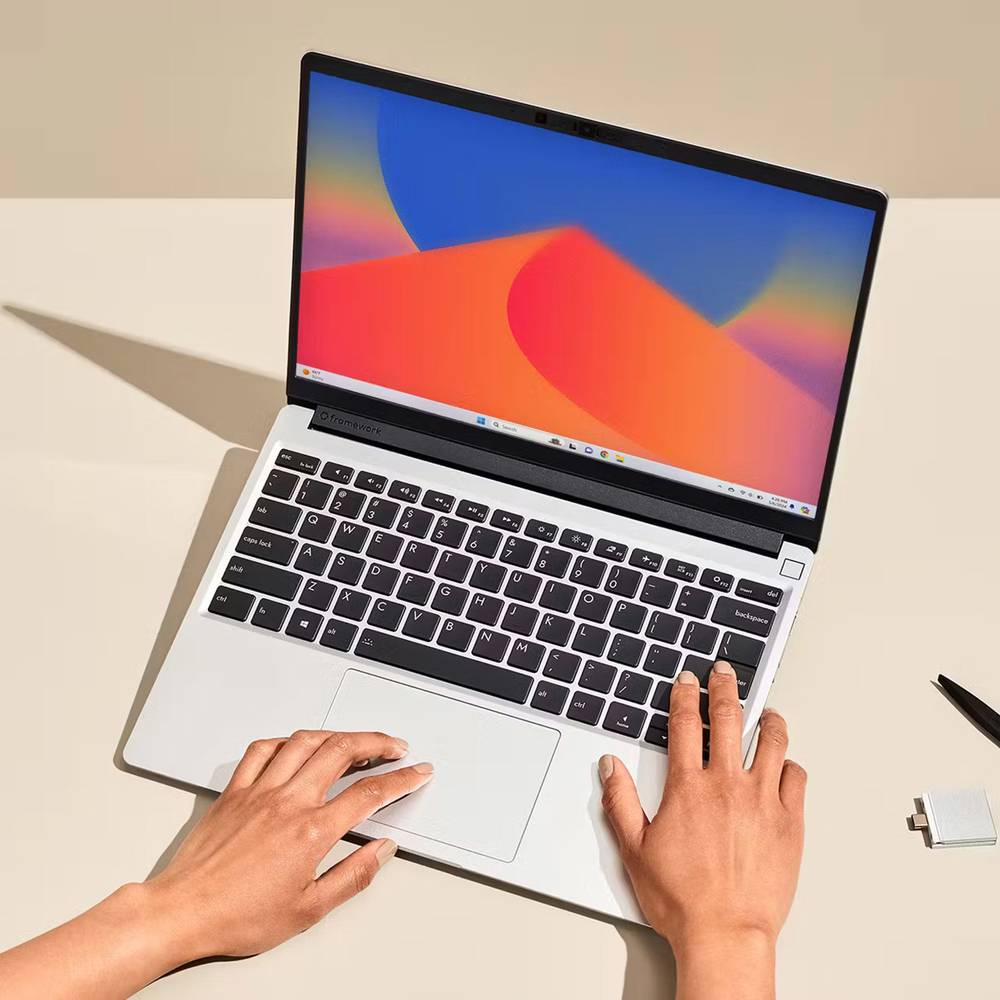
Looking at current us trends, the demand for sustainable and repairable technology is peaking. Framework has solidified its position by offering the Lunar Lake architecture in a form factor that users can actually open and service. This contrasts with many ultrabooks available locally which prioritize thinness over user agency.
Intel Core Ultra Series 2 performance
The Intel Core Ultra Series 2, also known as the Lunar Lake series, provides notable efficiency gains. These chips include a dedicated Neural Processing Unit (NPU) that handles local AI tasks without draining the battery. For professionals in India working on software development or creative media, this hardware offers a balance of power and longevity that previous generations lacked. The Framework 13 chassis has been updated to accommodate the thermal requirements of these new processors while maintaining a compact footprint.
The expansion card system is a core feature of this 2026 model. Users can choose between USB-C, USB-A, HDMI, DisplayPort, and microSD expansion cards. This flexibility is a practical solution for those who require different ports for various work environments. The Framework 13 display has also seen an upgrade to a 2.8K resolution with a high refresh rate, making it competitive with premium laptops from more established brands.
Sourcing from US stores
Framework does not currently maintain a direct retail presence in India. This lack of local availability leads most buyers to purchase directly from the Framework US webstore. Accessing these products requires a freight forwarder to provide a bridge between the US merchant and the final destination in India. This method allows buyers to secure the latest configurations as soon as they are released in the North American market.
Purchasing from a US store often provides access to the DIY Edition of the Framework Laptop 13. The DIY Edition is popular because it allows users to provide their own RAM and storage, which can sometimes be sourced more cheaply within the Indian domestic market. Using a tax-free us address for the initial purchase helps in managing the total acquisition cost before the item is prepared for international transit.
Shipping Estimates
Calculating the logistics for a high-value laptop requires specific data. Users can estimate shipping cost by considering the physical characteristics of the Framework 13 packaging. Below are the estimated specifications for the Framework Laptop 13 (Intel Core Ultra Series 2) shipment box:
| Metric | Estimate |
|---|---|
| Box Weight | Approx. 5.5 lbs (2.5 kg) |
| Box Dimensions | Approx. 15 x 12 x 4 inches (Medium sized electronics box) |
| Volumetric Warning | This item is relatively dense. The actual weight is typically used for billing as it usually exceeds the volumetric weight in standard laptop packaging. |
| Battery Check | The Framework 13 contains a 55Wh or 61Wh lithium-ion battery. This classifies the shipment under UN3481 (Lithium ion batteries contained in equipment). |
International shipping regulations for lithium batteries are strict in 2026. Most carriers require the battery to be installed inside the laptop or packed securely according to IATA guidelines. It is advisable to consult the FAQ for the latest updates on battery shipping surcharges or documentation requirements for India-bound electronics.
Indian import customs context
Laptops imported into India are generally subject to specific tax structures. In 2026, the Integrated Goods and Services Tax (IGST) remains a primary component of the import cost. While the Basic Customs Duty (BCD) on laptops has historically been zero or minimal to encourage tech adoption, the social welfare surcharge and GST still apply. The courier handling the shipment will typically manage the customs clearance process and collect these fees before final delivery.
The Know Your Customer (KYC) documentation is mandatory for all international shipments entering India. This involves providing a government-issued ID such as an Aadhaar card or Passport to the shipping provider. Failure to provide accurate KYC data can lead to significant delays at the port of entry in Delhi, Mumbai, or Chennai.
Safety and compliance
When importing high-end modular tech, understanding the rules for restricted goods is necessary. While laptops are not prohibited, certain wireless technologies or high-encryption hardware might occasionally face scrutiny. The Framework 13 uses standard Wi-Fi 7 modules in 2026, which are generally compliant with Indian telecommunications standards.
The modular nature of the Framework laptop is an advantage for long-term maintenance in India. If a single port fails, the user only needs to replace an expansion card rather than the entire motherboard. For more complex repairs, the Framework marketplace provides access to individual components. Using a reliable shipping partner ensures that these smaller, sensitive parts reach their destination without damage. If you have questions about specific components, the support center can provide guidance on international transit insurance and packaging standards for fragile electronics.
-
February 21, 2026
The secret $420 saving on the Framework Laptop 13 that Australian tech fans are finding in US stores
Discover why Australian enthusiasts are importing the Framework Laptop 13 with Intel Core Ultra Series 2 and how they bypass common US store payment blocks.Continue Reading
-
February 21, 2026
Is it a mistake to wait for a local release of the Framework Laptop 13 with Intel Core Ultra Series 2?
Malaysian tech enthusiasts are facing a critical choice as the Framework Laptop 13 with Intel Core Ultra Series 2 hits US shelves without a local release date.Continue Reading
-
February 21, 2026
Will your Framework Laptop 13 order get flagged for using a Hong Kong credit card?
Is it actually worth the hassle of importing the Framework Laptop 13 with Intel Core Ultra Series 2 chips to Hong Kong right now?Continue Reading
-
February 21, 2026
I found a way to get the Framework Laptop 13 with Intel Core Ultra Series 2 sent straight to China
I’ve been tracking the 2026 release of the Framework Laptop 13 with Lunar Lake chips and finally figured out how to ship it to China safely.Continue Reading
-
February 21, 2026
Snagging a Framework Laptop 13 (Intel Core Ultra Series 2) to Singapore versus buying a soldered local alternative feels like a win for your wallet and the planet?
Deciding if the modular Framework Laptop 13 with Intel's latest Lunar Lake chips is worth the import to Singapore? We break down the costs and shipping hacks.Continue Reading

