



The Fujifilm X100VII is currently available at US retail prices while Australian shops remain empty
- The 2026 obsession with the Fujifilm X100VII
- The supply chain reality for Australian photographers
- Why Hong Kong stock is a risky bet right now
- Sourcing your camera from US retailers at MSRP
- The difficulty of buying from US stores with an Australian card
- Using BuyForMe to secure limited inventory
- Logistics of getting your camera to Australia
- Understanding Australian delivery and import rules
The 2026 obsession with the Fujifilm X100VII
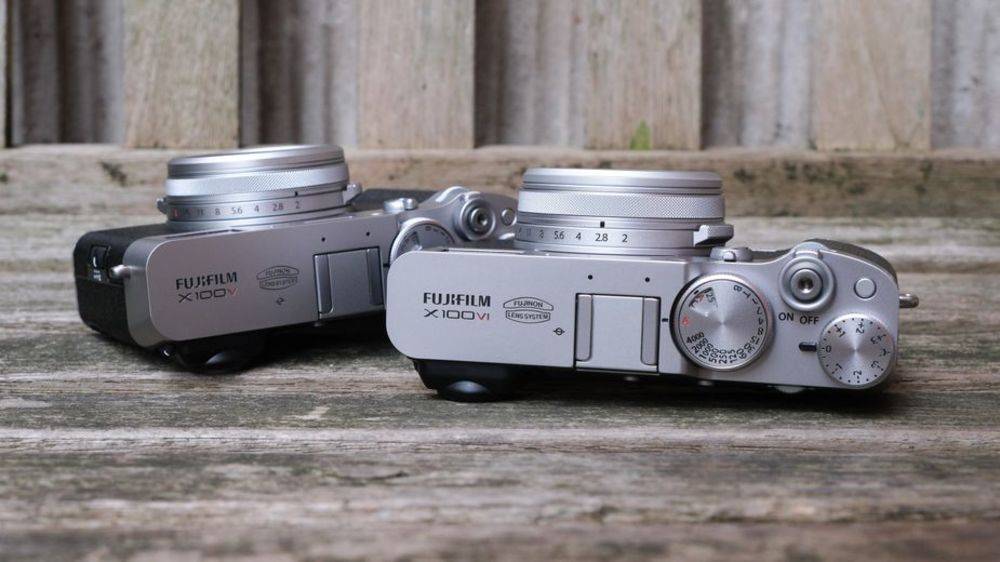
The release of the Fujifilm X100VII this week has sent the photography community into a frenzy. Following the massive success of its predecessor, this new iteration brings improved autofocus and a refined sensor that makes it the most sought-after fixed-lens camera of 2026. Social media platforms are already flooded with sample images, fueling a demand that local retailers simply cannot satisfy. For those in Australia, the desire to own this piece of kit is high, but the path to acquisition is proving to be quite a challenge.
 Amazon US
This camera represents more than just a spec bump; it is a cultural phenomenon in the photography world. As enthusiasts look for the best way to get their hands on one, many are checking us trends to see how the global market is reacting to the launch. The consensus is clear: the demand is global, but the stock distribution is heavily skewed toward the North American market.
The supply chain reality for Australian photographers
Local electronics stores in Sydney, Melbourne, and Brisbane are reporting waiting lists that stretch into late 2026. The few units that do arrive are often spoken for by pre-orders placed months ago. This scarcity has led to a frustrating situation where Australian consumers are left waiting while their counterparts in other regions are already shooting with the new hardware.
The shortage is not just about production numbers; it is about how inventory is allocated. Major US retailers receive priority shipments, often holding hundreds of units while a single Australian boutique might only receive two or three. This disparity makes the prospect of a local purchase look increasingly unlikely for those who want the camera before the year ends.
Why Hong Kong stock is a risky bet right now
In previous years, many Australians turned to the Hong Kong market for quick gray-market imports. However, in April 2026, the situation in Hong Kong is dire. Professional scalpers have bought up the limited stock, listing the Fujifilm X100VII at nearly double the suggested retail price. Paying a 100% markup to a reseller is a hard pill to swallow, especially when the camera is technically available at MSRP elsewhere.
Beyond the price, there is the issue of warranty and authenticity. Buying from an unverified reseller in a high-demand market carries significant risks. This is why more Australians are looking toward established US retailers where the price remains fixed at the manufacturer's suggested retail price.
Sourcing your camera from US retailers at MSRP
The most cost-effective way to buy the Fujifilm X100VII right now is to purchase it directly from a US-based store. Even when you factor in the exchange rate and international delivery, the total cost is frequently lower than what Australian scalpers are demanding. By using a tax-free us address provided by a freight forwarder, you can shop at major outlets like B&H, Adorama, or Amazon US just like a local resident.
The process involves having your camera shipped to a warehouse in a state like Oregon, which has no sales tax. From there, your package is forwarded to your doorstep in Australia. To get an idea of what this might cost, you can use a shipping calculator to estimate the total expense before you commit to a purchase.
The difficulty of buying from US stores with an Australian card
While shopping in the US sounds straightforward, many top-tier retailers have strict security protocols. Major stores like Apple, Sephora, and even some dedicated camera outlets often block orders made with international credit cards. Furthermore, if their system detects a known freight forwarding address, they may automatically decline the transaction. This is a common hurdle that prevents many Australian shoppers from successfully completing their orders.
These retailers prioritize domestic customers and use card-matching technology to ensure the billing address matches the country of the store. If you have ever had an order cancelled immediately after hitting the 'buy' button, you have likely run into this specific barrier. It is a protective measure for the store, but a major inconvenience for the global shopper.
Using BuyForMe to secure limited inventory
To solve the problem of cancelled orders and blocked cards, comGateway offers the "BuyForMe" service. This is an assisted purchase program where the service buys the item on your behalf using a US domestic credit card and a residential-style billing profile. This effectively bypasses the filters that usually reject international buyers.
Using BuyForMe is the safest way to guarantee your order for a high-demand item like the Fujifilm X100VII doesn't get cancelled. Instead of wrestling with a checkout screen that won't accept your Australian visa, you simply tell the service what you want to buy, and they handle the transaction. Once the camera arrives at the warehouse, it is processed and ready for its journey to you. This service is a vital tool for accessing stores that are traditionally "difficult" for international residents.
Logistics of getting your camera to Australia
Once your camera is secured at your US address, the next step is moving it across the Pacific. If you are new to this method of shopping, following a step-by-step guide can help clarify the timeline. Generally, shipping from the US to major Australian hubs like Sydney or Perth takes between 3 to 8 business days depending on the service level chosen.
One critical aspect of shipping electronics is the regulation surrounding lithium batteries. Since the X100VII contains a battery, it must be handled according to specific safety standards. You should check the current list of prohibited items and restricted goods to ensure your shipment complies with international aviation laws. Most cameras are fine to ship as long as the battery is contained within the device.
Understanding Australian delivery and import rules
When you choose to ship to Australia, you must be aware of the Goods and Services Tax (GST). Since 2018, Australia has required GST to be collected on low-value imported goods (those valued at AUD $1,000 or less). For a high-end camera like the Fujifilm X100VII, the value will likely exceed this threshold.
| Item Value | GST Requirement | Import Duty |
|---|---|---|
| Under AUD $1,000 | 10% GST applied | Usually Nil |
| Over AUD $1,000 | 10% GST + Processing Fees | Depends on tariff code |
Items over AUD $1,000 are subject to formal customs entry, which includes GST and potential duty, along with a customs processing fee. Even with these additional costs, the total price for a Australia delivery from the US often remains more competitive than the scalper prices currently found in Asian or local secondary markets. Planning ahead and calculating these fees ensures there are no surprises when your new camera arrives in the country.
-
April 09, 2026
A US-based procurement blueprint is the most reliable method for obtaining the Fujifilm X100VII in Singapore
The Fujifilm X100VII is currently facing extreme supply shortages in Asia, making US retail procurement the only viable path to MSRP pricing.Continue Reading
-
April 09, 2026
Save RM1,500 on the Fujifilm X100VII by ordering from US retailers
Malaysian photographers can avoid high scalper markups by purchasing the Fujifilm X100VII directly from the US at its $1,599 MSRP.Continue Reading
-
April 09, 2026
Save $400 on the Fujifilm X100VII even if US stores keep rejecting your Hong Kong credit card
The Fujifilm X100VII just dropped and HK stock is already a mess. Here is how to get it from the US at MSRP without your order getting cancelled.Continue Reading
-
April 09, 2026
The price gap for a Fujifilm X100VII between India and the US is pretty wild
Getting the new Fujifilm X100VII in India at MSRP is possible if you source it from US retailers instead of local scalpers.Continue Reading
-
April 09, 2026
Secure a Fujifilm X100VII at MSRP by shopping US retailers from the UK
Secure your Fujifilm X100VII from the US to avoid UK stock shortages and high scalper prices. Here is the essential data for UK buyers.Continue Reading

