



Optimizing the procurement of a Framework Laptop 13 DIY Edition from the United States for New Zealand delivery
Table of Contents
Understanding the demand for modular hardware in 2026
The tech landscape in 2026 has shifted decisively toward repairability and longevity. The Framework Laptop 13 (DIY Edition) stands at the forefront of this movement, offering professionals the ability to swap mainboards, upgrade screen panels, and replace individual ports via expansion cards. For users in New Zealand, where local hardware options can sometimes be limited to fixed-configuration premium ultrabooks, the Framework represents a significant shift toward sustainable computing.
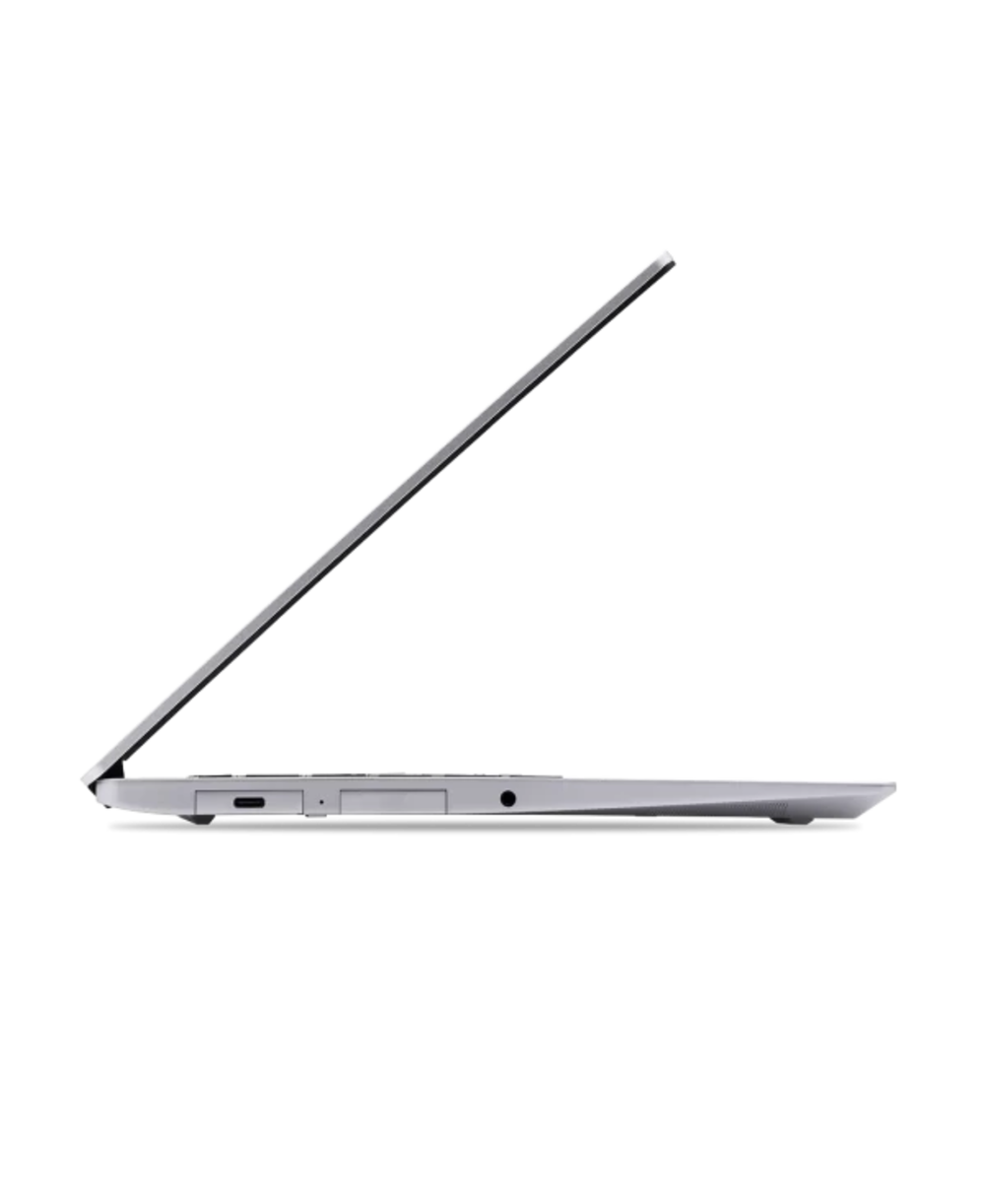
Tech professionals value the DIY Edition because it allows for the reuse of existing DDR5 memory and storage drives, reducing e-waste and lowering the initial investment. However, sourcing these units directly within the Pacific region often presents challenges regarding stock availability of the newest CPU modules, which is why many power users look toward North American inventory.
Analyzing the US market advantage for Framework DIY kits
The United States remains the primary hub for Framework’s logistics and inventory. Purchasing from US stores often grants access to the latest Intel or AMD mainboard iterations months before they reach secondary markets. Furthermore, the pricing for expansion cards—the small modules that define the laptop’s I/O—is significantly more competitive when priced in USD at the source.
By using a tax-free US address, international buyers can avoid state-side sales tax, ensuring the base price of the DIY kit remains as low as possible. This approach is particularly effective for the DIY Edition, as it allows users to customize their build with specific components that may not be bundled in standard international retail packages.
Shipping Estimates for the Framework Laptop 13
Calculating the total cost of ownership requires a clear understanding of the physical logistics involved. Below are the estimated specifications for a standard Framework Laptop 13 (DIY Edition) shipment.
| Metric | Estimated Value |
|---|---|
| Box Weight | Approx. 2.3 kg (5.1 lbs) including packaging |
| Box Dimensions | Medium (Approx. 38cm x 28cm x 12cm) |
| Volumetric Warning | Low risk. The packaging is dense and efficient. |
| Battery Content | Contains 1x Lithium-ion battery (UN3481) |
The Framework Laptop 13 includes a high-capacity lithium-ion battery. Under current 2026 aviation safety standards, this is classified as UN3481 (Lithium-ion batteries contained in equipment). This classification is standard for laptops and is accepted by major carriers, though it may limit some budget-tier shipping options that exclude all battery types. Always use a specialized international shipping service that is certified to handle electronics shipments safely.
Establishing a reliable logistics workflow to New Zealand
Because Framework does not always offer direct shipping for every configuration to every corner of the globe, utilizing a freight forwarder is the most efficient method to bridge the gap. This process involves sending your US purchase to a dedicated warehouse, which then manages the transit to your doorstep.
Before confirming your order, it is highly recommended to use a shipping calculator to account for the transit from the US to Auckland, Wellington, or Christchurch. This ensures that the total landed cost remains within your budget. Reviewing international shipping rates beforehand allows you to choose between express or standard delivery speeds, depending on how quickly you need your new workstation.
Managing New Zealand import compliance and tax
When you ship to New Zealand, your package will be subject to inspection by the New Zealand Customs Service. In 2026, the threshold for GST collection on low-value goods remains a critical factor for international shoppers. For high-value items like a modular laptop, you should expect to pay GST (currently 15%) on the total value of the goods, including shipping costs.
It is professional practice to prepare for import duties and the associated Import Entry Transaction Fee (IETF) if the value exceeds the $1,000 NZD threshold. Most reputable couriers will facilitate the payment of these fees on your behalf and bill you before final delivery. You might also like to check our guide on calculating GST for electronic imports to ensure no surprises during the customs clearance phase.
By consolidating your expansion cards and the laptop kit into a single shipment, you can optimize the handling fees and ensure that your new modular system arrives as a complete package, ready for assembly and deployment in your professional workflow.
-
March 02, 2026
Save $420 on the Framework Laptop 13 DIY Edition by shipping from the US to Singapore
Tech experts are skipping local retail and importing the Framework Laptop 13 DIY Edition from the US to save $420 and access better stock in 2026.Continue Reading
-
March 02, 2026
Frame of Mind vs Buying Blind: Getting the modular Framework Laptop 13 DIY Edition to Malaysia
Thinking about a modular laptop? Compare US prices vs local costs for the Framework 13 DIY Edition and learn how to ship it to Malaysia safely in 2026.Continue Reading
-
March 02, 2026
Finding the hidden stock of Framework Laptop 13 DIY kits in US warehouses for Australian delivery
Discover why Australian tech enthusiasts are sourcing their modular hardware from US suppliers to bypass local stock limitations and pricing markups in 2026.Continue Reading
-
March 02, 2026
Why do people assume the Framework Laptop 13 DIY Edition is unavailable for Hong Kong tech professionals?
Discover how to bypass regional shipping blocks and secure the latest Framework Laptop 13 DIY Edition directly from the US to Hong Kong in 2026.Continue Reading
-
March 02, 2026
The Framework Laptop 13 DIY Edition is currently better to source from US stores
Buying a Framework Laptop 13 DIY Edition from the US in 2026 offers better pricing and stock for users in China.Continue Reading

