



My architectural plan for constructing a Framework Laptop 16 and shipping it to Hong Kong in 2026
Table of Contents
Designing My Modular Dream Machine
I have always viewed my workspace as a living ecosystem. When the Framework Laptop 16 (DIY Edition) started gaining massive traction in Germany’s repair-conscious circles earlier this year, I knew I had to act as the lead architect for my own mobile workstation. In early 2026, the idea of a laptop that isn't a sealed slab of aluminum is more than a trend; it is a statement of ownership. I wanted to choose every port, the exact keyboard layout, and even the graphics module.
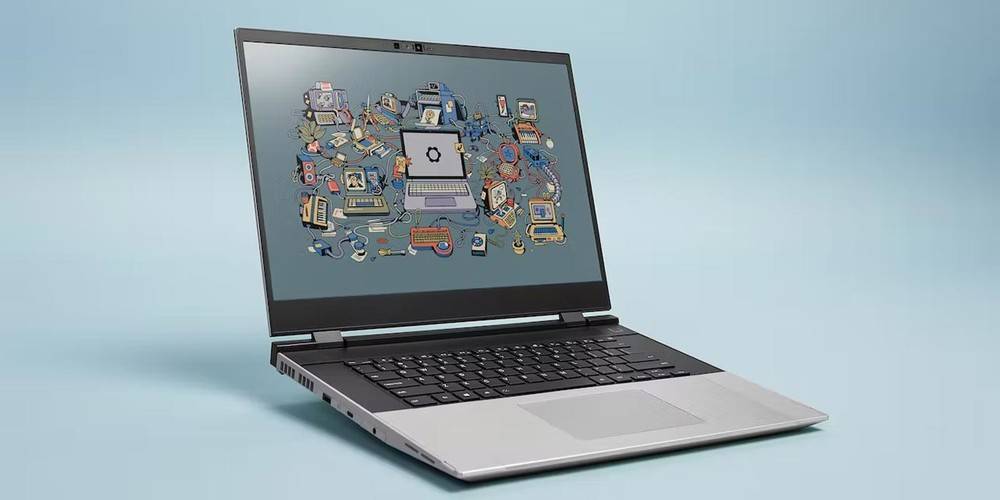
Building a laptop from the ground up feels like playing with high-stakes Lego. I spent hours on the configurator, selecting the latest Ryzen processors and mapping out where my USB-C and HDMI expansion cards would go. However, being based in Hong Kong meant I had to think carefully about how to get these specialized components from the US to my doorstep safely.
Why I Sourced My Parts from the US Store
While Framework has expanded its reach, the US store remains the primary warehouse for the most eccentric customization options. I noticed that the newer GPU modules and the specific mechanical keyboard switches I wanted were frequently in stock in the US long before they reached international distributors. By using a tax-free US address provided by comGateway, I was able to access the full inventory without paying US sales tax, which is a significant saving when you are buying a machine that costs north of $1,500.
I also found that the US store allows for more granular choices in the DIY Edition. I didn't want to pay for a pre-installed OS or generic RAM. I wanted to source those myself, and the US storefront is designed for exactly that kind of architectural freedom. To make sure my budget was on track, I used a shipping calculator to see how much the added weight of the extra expansion cards would affect my bottom line.
My Shipping Blueprint and Cost Estimates
Logistics is the foundation of any successful import project. Because the Framework Laptop 16 is a modular beast, the packaging is slightly different than your standard thin-and-light ultrabook. I had to account for the main chassis, the separate expansion card boxes, and the bulky power brick.
| Metric | Estimate for Framework 16 DIY |
|---|---|
| Box Weight | Approx. 10.5 lbs (4.8 kg) |
| Box Dimensions | Medium (approx. 18 x 14 x 4 inches) |
| Volumetric Warning | Low. The item is dense enough that actual weight usually exceeds volumetric weight. |
| Battery Type | Lithium-ion (85Wh) - Contained in equipment. |
I recommend keeping an eye on the weight if you decide to order multiple GPU modules. While the laptop itself is manageable, adding three or four extra expansion cards and a secondary power adapter can push the weight up quickly. I always check the help center to see if there are any specific packing requests I should make to consolidate my items.
Batteries and Logistics Regulations
The Framework Laptop 16 comes with a beefy 85Wh battery. Since this is 2026, air shipping regulations are quite strict regarding lithium batteries. Fortunately, because the battery is safely housed within the laptop chassis (even in the DIY edition, it is pre-installed in the bottom case), it falls under the UN3481 classification. This means it can be shipped via air as long as the freight forwarder follows the proper labeling and packaging protocols.
When I arranged my ship to Hong Kong, I made sure to declare the item correctly. Hong Kong is generally very friendly toward electronics, but you still need to ensure your documentation is airtight to avoid delays in the warehouse. If you are ever unsure about how to categorize your DIY electronics, looking into import tax guides can clarify how different components are treated by customs.
How I Bypassed Payment Blocks with BuyForMe
One structural flaw I encountered during my purchase was the dreaded "International Card Decline." Some US-based tech stores are notorious for blocking credit cards that aren't issued by a US bank, or they might automatically cancel orders that are heading to a known shipping hub. I’ve seen it happen with major brands like Apple and Nike, and Framework can sometimes be protective of their regional stock.
This is where I used the BuyForMe service. Instead of fighting with the checkout page, I had comGateway buy the laptop on my behalf using their domestic US payment methods. We simply provided the product links, and they handled the transaction. It is the safest way to guarantee that your architectural plans aren't ruined by a "Transaction Declined" email. It effectively acts as a professional procurement officer for your personal tech projects.
The Final Inspection in Hong Kong
Once my package arrived at the warehouse, the Hong Kong delivery was surprisingly fast. I opted for express shipping because I am impatient when it comes to new hardware. The box arrived in pristine condition, which is vital when you are dealing with sensitive components like a modular screen and fragile expansion card pins. I spent my Saturday afternoon following my own assembly blueprint, sliding in the ports, and snapping the magnetic bezel into place.
If you are looking to build a Framework Laptop 16 in 2026, my advice is to treat the logistics with as much care as the assembly. By using a reliable shop US store strategy and leveraging a proxy service when needed, you can have a piece of repairable future-tech on your desk in Hong Kong without the usual cross-border headaches.
-
February 10, 2026
Secure the Framework Laptop 16 DIY Edition from US retailers for Singapore delivery
Learn how to source the modular Framework Laptop 16 DIY Edition from the US store and manage shipping to Singapore effectively in 2026.Continue Reading
-
February 10, 2026
Australian buyers face significant hardware delays unless the Framework Laptop 16 DIY Edition is sourced directly from the US store in 2026.
Securing the Framework Laptop 16 DIY Edition in Australia requires a strategic approach to bypass inventory shortages and regional shipping delays.Continue Reading
-
February 10, 2026
Framework Laptop 16 US Store vs. Indian Marketplace Prices: Is the DIY Edition worth the import effort in 2026?
Explore why the modular Framework Laptop 16 is significantly more affordable when sourced from the US compared to limited local options in India this year.Continue Reading
-
February 10, 2026
Is the US Framework Laptop 16 DIY Edition actually easier to get in the UK than local versions?
I documented my experience importing the Framework Laptop 16 (DIY Edition) from the US to the UK. See how I bypassed stock limits and handled shipping.Continue Reading
-
February 10, 2026
I am debunking the idea that New Zealanders cannot access the full Framework Laptop 16 DIY ecosystem
I address the common misconception that the Framework Laptop 16 DIY Edition is out of reach for New Zealand tech enthusiasts in 2026.Continue Reading

