



Is the Framework Laptop 13 DIY Edition actually worth the import costs for South Korean users?
Table of Contents
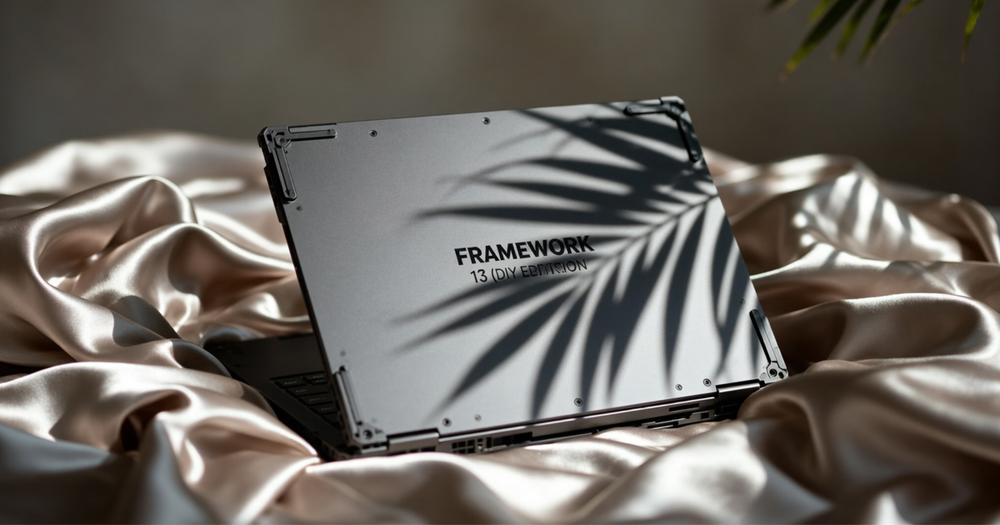
Is the Framework Laptop 13 DIY Edition actually worth the import costs for South Korean users? As we move through 2026, the demand for sustainable, repairable hardware has reached a fever pitch. While South Korea has a robust local electronics market, the specific flexibility offered by the Framework DIY Edition remains a unique draw that local alternatives often lack. However, getting one from the US to Seoul requires a clear understanding of the logistics and associated fees.
 Amazon US
Why the Framework Laptop 13 DIY Edition is trending in 2026
The global "Right to Repair" movement has shifted from a niche hobbyist interest to a mainstream consumer requirement. In 2026, the Framework Laptop 13 (DIY Edition) stands out because it allows users to bring their own memory, storage, and even choose their preferred wireless cards. For users in South Korea, the attraction lies in accessing US-exclusive expansion modules and the latest mainboard iterations that often hit the US store months before international distributors receive stock.
Customization is the primary driver. Whether you need specific ports for industrial work or want to upgrade to the latest 2026 processor architectures without replacing the entire chassis, the DIY Edition provides a level of longevity that traditional laptops cannot match. To secure these specific US builds, many shoppers choose to shop US store options directly to avoid the limited configurations found elsewhere.
The math of importing versus buying locally
When calculating the total cost, you must look beyond the sticker price. A DIY Edition might start at a lower base price in the US, but international shipping and local taxes will bridge that gap. To get an accurate picture of your expenditure, you should use a shipping calculator to estimate the costs from a US warehouse to your doorstep in South Korea.
By using a tax-free US address in Oregon provided by a freight forwarder, you can eliminate US sales tax, which typically ranges from 7% to 10%. This saving often offsets a significant portion of the international shipping rates you will encounter during transit.
Overcoming payment blocks with proxy shopping
One of the most frequent hurdles for South Korean shoppers is the "payment wall." Many high-end US tech retailers, including the Framework store and major electronics outlets, frequently decline international credit cards or cancel orders flagged with a shipping forwarder's address. This is often due to strict regional fraud prevention measures or distribution agreements.
If your order is repeatedly cancelled, the BuyForMe service (also known as an assisted purchase) is the most reliable solution. Through proxy shopping, a US-based team purchases the laptop on your behalf using a domestic US credit card. This method bypasses regional payment restrictions and ensures your order is processed successfully. It is the safest way to guarantee your DIY Edition isn't stuck in a loop of payment failures, especially when stock for new 2026 modules is limited.
Shipping logistics and transit to South Korea
Once your laptop arrives at the warehouse, you need to choose a carrier. For high-value electronics like a Framework laptop, FedEx international shipping or DHL international shipping are generally preferred due to their robust tracking capabilities and fast transit times to East Asia. You can review the current international shipping fees to decide which tier of service fits your budget.
Using a dedicated international shipping service like comGateway ensures that your laptop is repacked if necessary to reduce volumetric weight, potentially saving you more on the final delivery cost.
South Korean customs and import tax breakdown
South Korea has specific regulations regarding electronics. For most laptops, you will be looking at a 10% VAT (Value Added Tax). While laptops are often exempt from basic customs duties, the import tax (VAT) is calculated based on the total value of the item plus the cost of shipping. Check our guide on import duties for a deeper look at how these calculations are applied in 2026.
Keep in mind that if the total value exceeds the de minimis threshold for South Korea (usually $150 or $200 depending on the type of clearance), you must provide a Personal Customs Clearance Code (PCCC) to ensure smooth processing through Incheon Customs.
FAQ
If you have more questions about the process, you can visit the FAQ section for detailed answers on battery shipping restrictions and insurance for high-value electronics. Most Framework laptops are shipped with lithium-ion batteries contained within the equipment, which is permissible under most international courier guidelines, provided they are packaged correctly.
-
February 05, 2026
Framework Laptop 13 DIY vs. Local Pre-builts: Why Singapore techies are looking West in 2026
The Framework Laptop 13 DIY Edition is capturing the interest of Singaporean tech enthusiasts. Is importing this modular laptop better than buying local?Continue Reading
-
February 05, 2026
Why is the Framework Laptop 13 DIY Edition still restricted for Australia in 2026?
Shipping electronics to Australia requires specific logistics when US retailers restrict access to modular hardware like the Framework Laptop 13 DIY Edition.Continue Reading
-
February 05, 2026
Framework Laptop 13 DIY Edition vs. Local Supply Gaps: The High-Speed Import Strategy for Malaysia
Acquiring the Framework Laptop 13 DIY Edition in Malaysia requires a strategic logistics approach to bypass regional availability gaps and payment blocks.Continue Reading
-
February 05, 2026
Sourcing the Framework Laptop 13 DIY Edition from the US to China in 2026
Discover why tech enthusiasts in China are bypasssing local options to secure the modular Framework Laptop 13 DIY Edition directly from the United States.Continue Reading
-
February 05, 2026
I found a way to get the Framework Laptop 13 DIY Edition delivered to Hong Kong with almost zero effort
I finally got my Framework Laptop 13 (DIY Edition) from the US to Hong Kong. Here is my experience using a simple method to avoid the paperwork.Continue Reading

