
 English
 繁體中文
繁體中文
 简体中文
简体中文


Why I chose the Framework Laptop 13 Intel Core Ultra Series 2
In 2026, the modular laptop market has matured significantly, but the Framework Laptop 13 remains the gold standard for anyone who values repairability. I decided to upgrade to the Intel Core Ultra Series 2 Edition because the performance-to-efficiency ratio finally hit the sweet spot I needed for mobile development work. While local options in Malaysia are plentiful, they lack the specific DIY configuration options available on the US Framework store. I wanted the ability to choose my exact port layout and the new high-cycle battery without settling for pre-configured retail units.
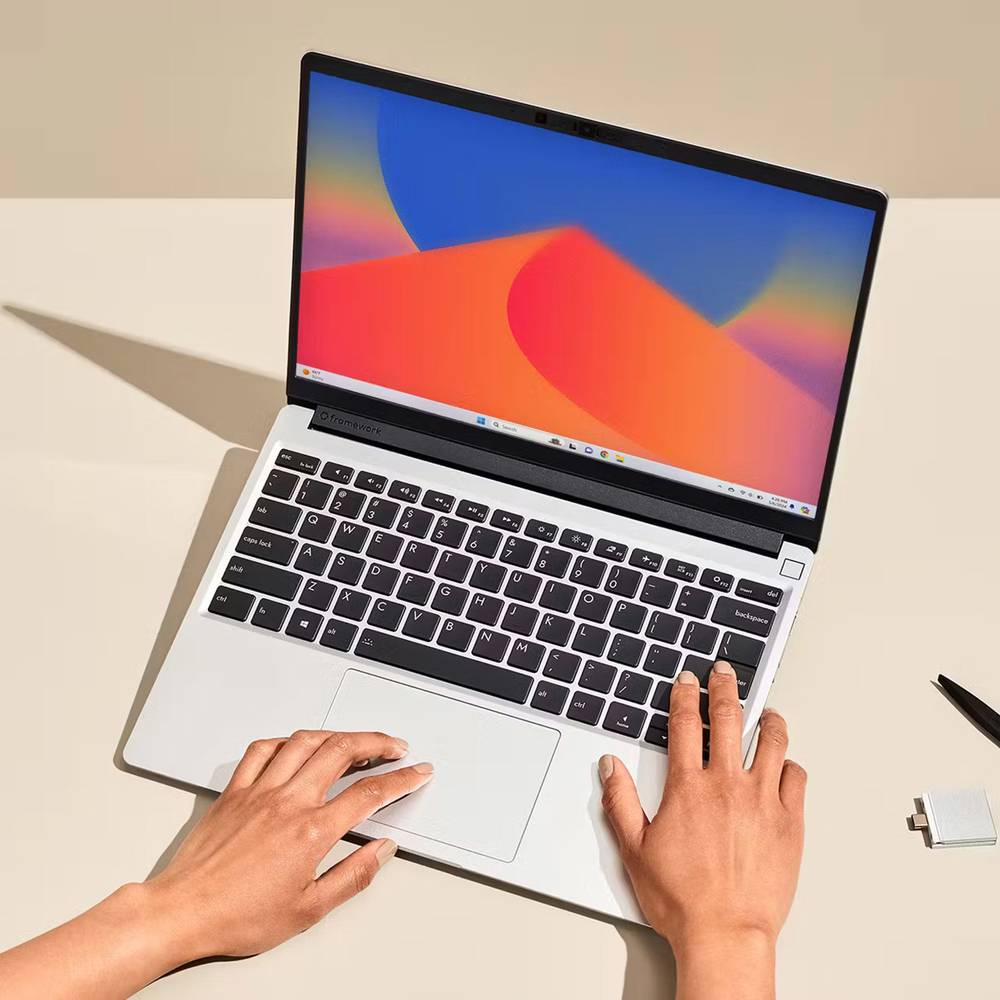
We often see tech enthusiasts monitoring us trends to see what hardware is pushing boundaries. For me, the 'Series 2' refresh wasn't just about a faster CPU; it was about the refined thermal management and the updated expansion cards that only the US market seems to have in full stock right now. I realized that if I wanted the specific DIY kit rather than the pre-built version, I had to look beyond our local borders.
The advantage of buying from US stores
I found that purchasing directly from the US manufacturer allows for a level of customization that isn't available through third-party importers. When I visited the Framework website, I could select the exact amount of RAM and storage I already owned, saving me hundreds of dollars. To do this, I needed a tax-free us address to ensure I wasn't paying Oregon or Delaware sales tax on top of the product price.
By using a freight forwarder, I gained access to the full inventory of the US store. This is a common tactic I use for high-end electronics that haven't officially launched their direct-to-consumer portals in Southeast Asia yet. It allows me to stay ahead of the curve with 2026 hardware before it becomes mainstream in local malls.
Shipping Estimates Breakdown
When I planned this shipment, I had to be precise about the physical characteristics of the laptop to avoid surprises. Here is the data I used for my calculations:
| Metric | Estimate |
| Box Weight | Approx. 3.0 kg (6.6 lbs) including outer shipping carton |
| Box Dimensions | Medium (Approx. 42cm x 32cm x 12cm) |
| Volumetric Warning | Low risk. Laptops are dense. However, if you add many spare parts in separate boxes, the total volume increases. |
| Battery Check | Yes. Contains a high-capacity Lithium-ion battery. Requires PI966 or PI967 documentation for international air travel. |
I always use a shipping calculator before hitting the 'buy' button. It helps me decide if I should consolidate other smaller items, like expansion cards or a matte screen protector, into one box. Because this item contains a battery, I made sure to check the specific international shipping rates for electronics, as some carriers have surcharges for lithium-ion components.
My process for forwarding packages from the US
Once Framework shipped my laptop to my US address, I managed the transit through my dashboard. I prefer to forward packages using a service that offers repacking. Laptop boxes from manufacturers are often placed inside much larger, empty shipping crates. By opting for a repacking service, I reduced the volumetric weight, which significantly lowered my final bill.
I tracked the movement from the warehouse to the hub in real-time. In 2026, air freight to Malaysia has become very efficient, but you still need to account for the 'Battery' declaration which can sometimes add 24 hours to the processing time at the export facility. My experience showed that being transparent about the contents speeds up the process.
Dealing with Malaysia customs and SST
I prepared for the arrival in Malaysia by keeping my digital invoice ready. Currently, laptops are generally exempt from import duty in Malaysia, but you are still liable for the Sales and Service Tax (SST), which is usually 10% for electronics. When the package arrived at KLIA, the courier contacted me to pay the SST and a small administrative handling fee.
I recommend choosing a shipping method that includes 'Delivery Duty Paid' (DDP) options if you want to avoid the hassle of manual payments, though 'Delivery Duty Unpaid' (DDU) is often cheaper if you don't mind paying the courier via their online portal upon arrival. My Framework Laptop 13 arrived in Kuala Lumpur within 6 business days of leaving the US warehouse, fully intact and ready for me to assemble.
-
April 25, 2026
Urgent Hardware Bulletin: Framework Laptop 13 Series 2 US Direct vs Local Alternatives via Freight Forwarder
A critical 2026 hardware alert for Hong Kong tech professionals seeking the Framework Laptop 13 Intel Core Ultra Series 2 and how to secure it from the US.Continue Reading
-
April 25, 2026
Australian supply constraints for the Framework Laptop 13 Intel Core Ultra Series 2 necessitate direct US imports
Australian tech professionals are facing inventory gaps for the latest Framework 13 modular laptops, making US procurement a critical priority in 2026.Continue Reading
-
April 25, 2026
Securing the Framework Laptop 13 Intel Core Ultra Series 2 via US imports to solve Singapore's hardware limitations
The 2026 Framework Laptop refresh is here. Here is why Singaporean professionals are bypassing local retail for the Intel Core Ultra Series 2 edition.Continue Reading
-
April 25, 2026
The reality of shipping a Framework Laptop 13 Core Ultra Series 2 to India requires caution
Buying the modular Framework Laptop 13 Intel Core Ultra Series 2 from the US requires an understanding of Indian import tax and logistics risks.Continue Reading
-
April 25, 2026
Importing my Framework Laptop 13 Intel Core Ultra Series 2: The NZ cost breakdown
I analyzed the costs of importing the 2026 Framework Laptop 13 Intel Core Ultra Series 2 to NZ. Here is the math on shipping, taxes, and DIY savings.Continue Reading