



Framework Laptop 13 DIY vs. NZ Retail Options: Is importing actually cheaper in 2026?
- Why the Framework Laptop 13 is the talk of the town in 2026
- Framework 13 DIY vs. Standard Ultrabooks: The repairability factor
- Shipping Estimates: What to expect when it lands in Auckland
- Importing to NZ vs. Shipping Rules: Handling batteries and GST
- BuyForMe vs. Direct Orders: Solving the US credit card headache
- Getting your Framework Laptop to NZ with a freight forwarder
Why the Framework Laptop 13 is the talk of the town in 2026
If you have been browsing Kiwi tech forums lately, you have probably noticed the Framework Laptop 13 (DIY Edition) popping up in every thread. While big-name brands continue to solder components and glue batteries, Framework has gone the opposite direction. In 2026, the demand for sustainable tech has peaked, making this modular machine a cult favorite among New Zealand professionals who are tired of planned obsolescence.
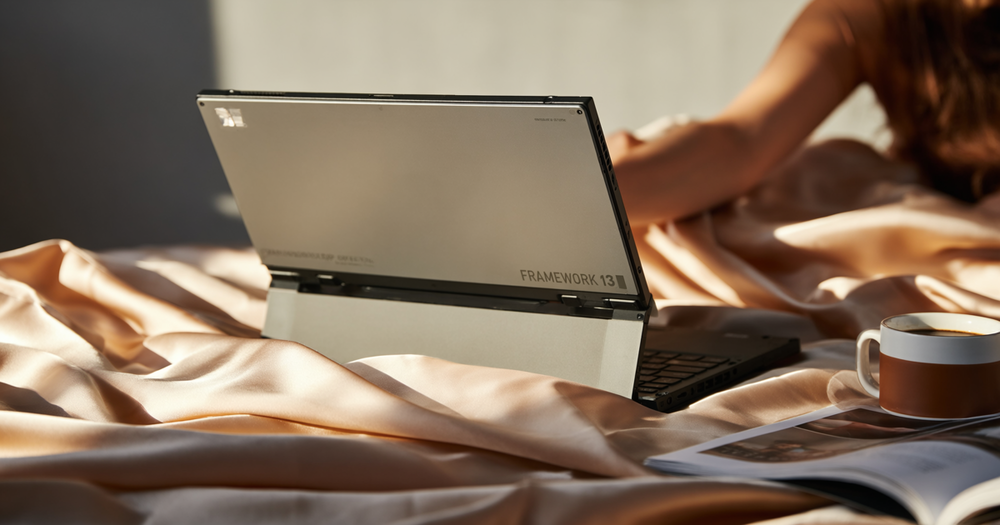
The DIY Edition is particularly popular because it allows you to bring your own memory, storage, and operating system. However, since there is no local retail presence in NZ, fans have to look toward the US market. Using a freight forwarder is currently the only way to get this hardware into the hands of Kiwi users.
Framework 13 DIY vs. Standard Ultrabooks: The repairability factor
When you compare the Framework 13 vs. a standard Dell XPS or MacBook Air available at local NZ retailers, the differences are stark. A standard laptop is a sealed unit; if the motherboard fails out of warranty, you are looking at a replacement cost that often exceeds the value of the device. With the Framework, you can swap out a single port or upgrade the entire mainboard to a newer generation without throwing away the chassis.
For the smart shopper, the math is simple: a slightly higher initial cost via import vs. the long-term savings of never needing to buy a completely new laptop again. To get an idea of the logistics costs involved in this long-term investment, you can use a shipping calculator to see how much the journey from the US to your doorstep will add to the price tag.
Shipping Estimates: What to expect when it lands in Auckland
Before you hit the buy button, you need to know the physical specs for your logistics planning. The Framework 13 is a compact device, but the DIY Edition packaging includes separate modules for your expansion ports, which adds a bit of volume to the box.
- Box Weight: Approx. 2.3 kg (5.1 lbs) including the laptop, power adapter, and modular expansion cards.
- Box Dimensions: Small to Medium (Typically around 38cm x 28cm x 10cm).
- Volumetric Warning: Fortunately, laptop boxes are dense. You likely won't be penalized for volumetric weight, but it is always good to check international shipping rates to see how different carriers handle small electronics.
- Battery Check: This item contains a high-capacity lithium-ion battery. Because it is integrated into the laptop, it is generally easier to ship than loose batteries, but it must comply with specific shipping rules for dangerous goods. Expect a small battery handling fee from most couriers.
Importing to NZ vs. Shipping Rules: Handling batteries and GST
One of the biggest hurdles for Kiwis is understanding the total landed cost. When importing goods over a certain value, you need to account for GST/VAT. As of 2026, New Zealand Customs requires GST (15%) to be paid on most imported items. Some forwarders collect this at the point of shipping, while others require payment when the item clears customs in Auckland or Christchurch.
Comparing the cost of a local high-end laptop vs. the Framework 13 requires adding that 15% GST plus the international shipping fee. Even with these additions, many users find the Framework remains competitive because you aren't paying the "retailer margin" that local NZ stores add to their imported stock.
BuyForMe vs. Direct Orders: Solving the US credit card headache
Here is where things get tricky for international buyers. Many US-based tech companies, including Framework at times, have strict fraud prevention measures. They often flag and decline orders that use a New Zealand credit card or are addressed to a known tax-free US address. This can lead to the frustrating experience of having your order cancelled minutes after placing it.
This is where the "BuyForMe" service becomes a lifesaver. Instead of fighting with the checkout system yourself, you can use comGateway's BuyForMe service. They use a US-based payment method and a domestic billing address to purchase the item on your behalf. This is the safest way to guarantee your order doesn't get stuck in a cancellation loop. It effectively bridges the gap between a US-only storefront and your home in New Zealand.
Getting your Framework Laptop to NZ with a freight forwarder
Once your Framework 13 reaches your US suite, you have control over the final leg of the journey. You can choose between express carriers like DHL or FedEx vs. more economical options depending on your budget. Given the value of a laptop, we always recommend choosing a shipping method that includes full tracking and insurance.
By using a shop US store strategy, you are essentially bypassing the limited selection available in the Southern Hemisphere. The Framework Laptop 13 is more than just a computer; it is a statement against the throwaway culture of modern tech. While the import process has a few extra steps, the reward is a machine that you can truly call your own for years to come.
-
February 06, 2026
Singaporeans are discovering a massive price gap when ordering the Framework Laptop 13 DIY Edition from US stores
The Framework Laptop 13 DIY Edition is a modular PC that costs significantly less for Singaporeans who source it directly from the United States in 2026.Continue Reading
-
February 06, 2026
Why I chose the Framework Laptop 13 DIY over local Australian retail options in 2026
I explain the logic behind importing a modular laptop from the USA to Australia and how I navigated the logistics of international purchasing.Continue Reading
-
February 06, 2026
The logistical barriers to owning a Framework Laptop 13 in Hong Kong
A pragmatic look at why the Framework Laptop 13 remains a high-demand import for Hong Kong professionals and how to manage the shipping logistics in 2026.Continue Reading
-
February 06, 2026
Can you actually get a Framework Laptop 13 (DIY Edition) delivered to Malaysia fast?
The Framework Laptop 13 (DIY Edition) is the dream machine for 2026, but it still doesn't ship to Malaysia. Here is the fastest way to get one to your door.Continue Reading
-
February 06, 2026
The Framework Laptop 13 DIY Edition arrives in India without the predicted customs drama
A modular laptop that actually respects your right to repair is finally within reach for Indian tech enthusiasts in 2026.Continue Reading

