



Does spending $1,099 on a Framework Laptop 13 Intel Core Ultra Series 2 actually beat the $1,500 local options in Korea?
Table of Contents
Why Korea is Obsessed with the Framework 13 in 2026
As we move through 2026, tech enthusiasts in Seoul and Busan are shifting their focus away from traditional, non-repairable laptops. The Framework Laptop 13 (Intel Core Ultra Series 2) has captured the market's attention because it challenges the disposable nature of modern electronics. While major local brands offer sleek designs, they often solder components like RAM and storage, making upgrades impossible. The DIY Edition of the Framework 13 allows users to swap ports, upgrade the mainboard, and even replace the battery with a single screwdriver.
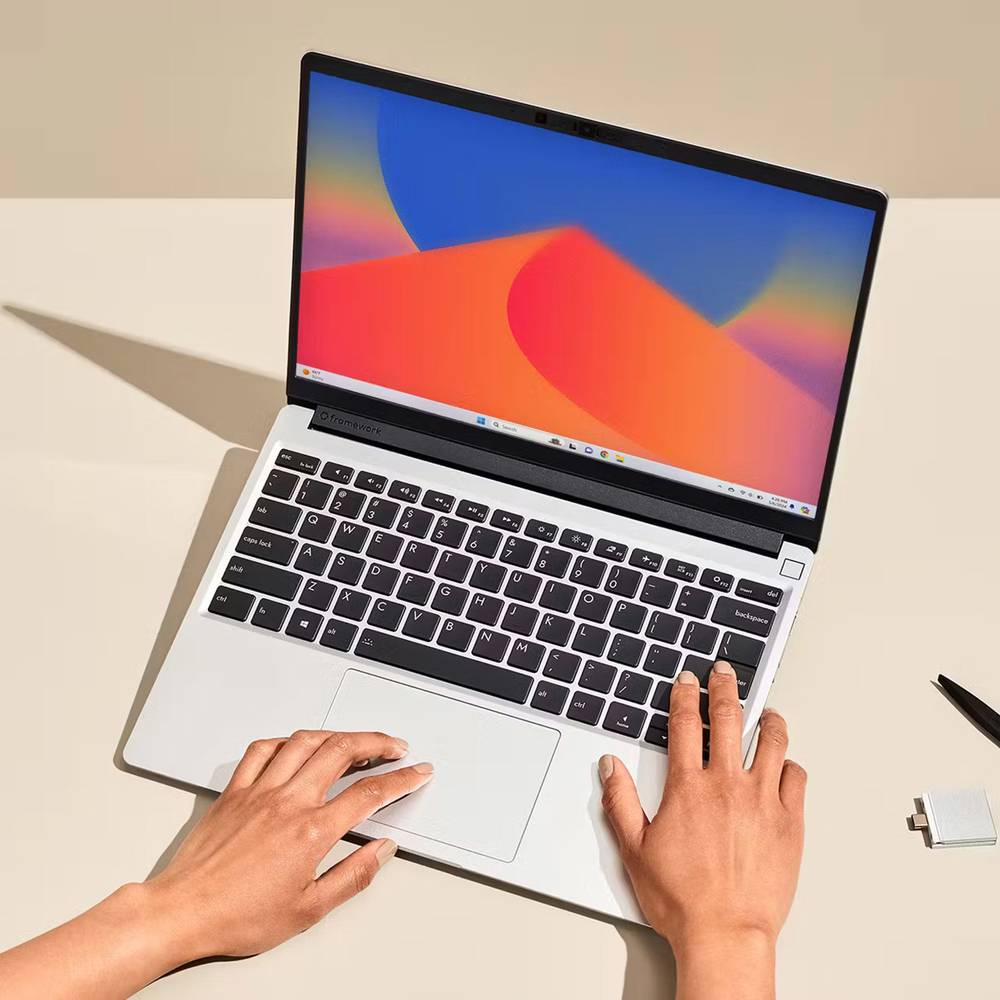
Many early adopters are looking at top us deals to find the DIY Edition, which often ships to the US domestic market months before reaching international retailers. This early availability of the Intel Core Ultra Series 2 chips—known for their incredible efficiency and NPU capabilities—is a major draw for the Korean developer community.
The Intel Core Ultra Series 2 Advantage
The latest Intel Core Ultra Series 2 chips inside the Framework 13 provide a significant leap in performance-per-watt. In 2026, the focus has shifted toward local AI processing, and these chips excel at handling complex tasks without draining the battery in three hours. For a professional working in Gangnam, having a machine that stays cool while running local LLMs is a necessity. Because Framework allows you to choose your own expansion cards, you can customize your I/O for whatever project you are tackling, whether it is USB-C, HDMI 2.1, or even microSD expansion.
Price Comparison: Korea vs USA
Save $400 on your hardware lifecycle by investing in a platform that does not require a full replacement when the battery fades. A comparable high-end ultrabook from a local Korean manufacturer currently retails for approximately $1,500. In contrast, the Framework Laptop 13 DIY Edition starts at roughly $1,099 in the United States. Even when accounting for international transit and VAT, the math often favors the import, especially when you consider that future upgrades only require buying a new mainboard rather than a whole new chassis.
How to Shop US Stores from Seoul
Since Framework does not offer direct shipping to South Korea yet, you will need a reliable freight forwarder to bridge the gap. By using a tax-free us address, you can avoid paying US sales tax (which can be up to 10% depending on the state), effectively lowering your initial purchase price. You can simply shop us store sites like the official Framework webstore and have your package sent to a warehouse in Oregon.
If you encounter issues with a Korean credit card not being accepted on US sites, the BuyForMe service is an excellent alternative. This assisted purchase option allows experts to handle the transaction for you, ensuring your order is placed correctly and quickly.
Shipping Estimates and Logistics
When planning your import, it is vital to understand the physical profile of the shipment. This helps in using a shipping calculator to estimate shipping cost accurately before you hit the buy button.
- Box Weight: Approx. 5.5 lbs (2.5 kg) for the full DIY kit including the laptop, power adapter, and expansion cards.
- Box Dimensions: Approximately 14 x 11 x 4 inches. This is considered a medium-sized electronics box.
- Volumetric Warning: The Framework packaging is quite dense and efficient. You are unlikely to be hit with high volumetric weight charges as the actual weight and the size are well-balanced.
- Battery Check: This item contains a high-capacity lithium-ion battery. Under current shipping rules, electronics with internal batteries must be declared correctly. Most package forwarding services can handle this, but be aware that some express carriers have specific surcharges for "Lithium Ion Batteries in Equipment" (UN3481).
South Korea Import Regulations for Electronics
When your Framework 13 arrives at Incheon International Airport, it will undergo customs clearance. For electronics, South Korea typically allows one unit of a specific model to be imported for personal use without requiring additional KC (Korea Certification) testing. You will be responsible for the 10% VAT (Value Added Tax) on the total value of the item plus shipping. Be sure to check the list of prohibited items to ensure no restricted accessories are included in your shipment, though standard laptop components are perfectly legal.
Using a parcel forwarding service makes this process smoother as they provide the necessary documentation for the customs broker. You can track your journey from the US warehouse to your door in Seoul easily through your member dashboard.
-
March 22, 2026
Save $420 on the Framework Laptop 13 Intel Core Ultra Series 2 via direct US procurement
Learn the fastest logistics strategy to import the Framework Laptop 13 with Intel Core Ultra Series 2 to Australia and save hundreds on retail markups.Continue Reading
-
March 22, 2026
The reality of getting a Framework Laptop 13 to Kuala Lumpur
Malaysian tech fans are looking toward the US to get the Intel Core Ultra Series 2 version of the Framework Laptop 13 before it officially hits local shores.Continue Reading
-
March 22, 2026
Getting the Framework 13 Intel Core Ultra Series 2 to Hong Kong is actually pretty fast.
The Framework Laptop 13 with Intel Core Ultra Series 2 is here. Learn how to skip the wait and get it delivered to Hong Kong directly from the US.Continue Reading
-
March 22, 2026
Can you actually ship the Framework Laptop 13 Intel Core Ultra Series 2 to India without the customs headache?
Thinking of importing the new Framework Laptop 13 to India? Let’s talk about how to actually get it without the usual shipping drama or card declines.Continue Reading
-
March 22, 2026
Questioning if the Framework Laptop 13 Intel Core Ultra Series 2 DIY Edition is worth the import effort for China
Is the Framework Laptop 13 Intel Core Ultra Series 2 actually a viable choice for China-based users in 2026, or is the import process too high a risk?Continue Reading

