



Australian residents encounter specific regional restrictions for Framework Laptop 16 orders
The modular computing shift in 2026
The landscape of personal computing in 2026 is defined by a significant movement toward longevity and repairability. Consumer demand has shifted away from disposable hardware, favoring systems that allow for component-level upgrades. The Framework Laptop 16 has become the focal point of this transition, representing the pinnacle of the Right to Repair movement. For professionals in Australia, this device represents more than just a laptop; it is a long-term investment in a platform that evolves alongside technological advancements.
The appeal of the Framework Laptop 16 DIY Edition
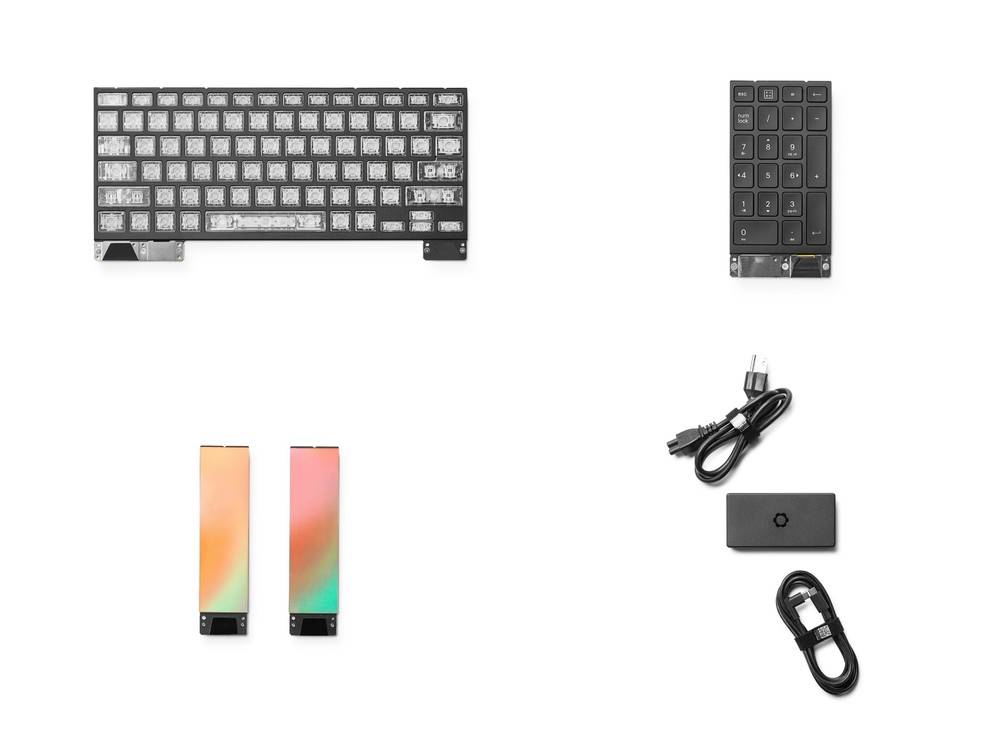
The Framework Laptop 16 (DIY Edition) is trending because it offers unparalleled customization. Unlike standard retail models, the DIY Edition allows users to select their own memory, storage, and operating system. Most importantly, it features a hot-swappable Graphics Module system and a customizable Input Module system. Tech enthusiasts are particularly drawn to the US-English keyboard layouts and specific modular components that are frequently out of stock in regional markets. The ability to swap a numpad for a secondary display or a Macropad makes it a versatile tool for developers and creatives alike.
Barriers to acquiring the DIY Edition in Australia
Australian buyers face a persistent challenge regarding inventory allocation. While Framework has expanded its global presence, the most niche modular components and the latest DIY configurations often debut exclusively in the United States. This regional lag creates a barrier for early adopters who require specific hardware configurations not yet localized for the Australian market. Furthermore, the US-English layout remains a preference for many programmers, yet local stock often prioritizes regional variations. Accessing the full catalog requires a comGateway account to bridge the gap between US availability and Australian demand.
The challenge of payment declines and the BuyForMe solution
A significant hurdle in the international procurement process is the prevalence of payment security protocols at major US retailers. Many stores, including tech giants and specialized vendors like Nike, Sephora, or Apple, frequently block transactions made with international credit cards. Even when a buyer uses a valid Australian card, the order may be automatically declined or cancelled if the billing address does not match a US-based financial institution. This is particularly common when attempting to ship to a known parcel forwarding service.
The BuyForMe service serves as the primary solution to these transactional barriers. Through this assisted purchase program, comGateway purchases the Framework Laptop 16 on your behalf using a US domestic payment method. This eliminates the risk of order cancellation due to geographic payment restrictions. It is the safest method to ensure that high-value electronics are secured during limited-stock releases. By utilizing this proxy shopping service, Australian residents can successfully navigate the checkout processes of restrictive US online stores without the frustration of repeated declines.
Navigating logistics with a parcel forwarding service
Once the purchase is secured, the next step involves managing the transit of the hardware. The Framework Laptop 16 is a high-precision instrument that requires careful handling. Utilizing an international shipping service provides a dedicated US address to receive the package. This is essential for stores that do not offer direct shipping to Australia. Once the item arrives at the warehouse, it can be inspected and prepared for its journey across the Pacific. Efficient package management is a necessity for maintaining the integrity of modular components during long-haul transit.
Calculating the total landed cost for Australian imports
Importing electronics into Australia in 2026 requires a clear understanding of the total landed cost. This includes the base price of the Framework Laptop 16, US domestic shipping, and international freight charges. Australian residents must also account for the Goods and Services Tax (GST), which generally applies to imports. To avoid unexpected expenses, it is advisable to use a shipping calculator before finalizing a purchase. This allows for a precise estimate of the logistics fees, ensuring that the modular benefits of the Framework system remain cost-effective. Managing these variables professionally ensures that the transition to a modular workspace is both smooth and transparent.
-
March 17, 2026
Shipping the Framework Laptop 16 DIY Edition to Singapore the wrong way could cost you a fortune
Think you can just ship the Framework Laptop 16 to Singapore without a plan? Check these 2026 shipping rules to avoid getting your tech stuck at customs.Continue Reading
-
March 17, 2026
Framework 16 US specs vs local limits: A blueprint for building your dream machine in Malaysia
Why settle for standard laptops when you can build your own? We look at the blueprint for importing the Framework Laptop 16 to Malaysia in 2026.Continue Reading
-
March 17, 2026
The actual cost difference when importing a Framework Laptop 16 DIY Edition to Hong Kong
The Framework Laptop 16 DIY Edition is finally hitting its stride in 2026, but getting the US version to Hong Kong requires a bit of planning.Continue Reading
-
March 17, 2026
Does the Framework Laptop 16 DIY Edition solve the professional repairability gap for Indian tech enthusiasts in 2026?
The Framework Laptop 16 DIY Edition is the most modular workstation of 2026. Here is how to import one to India using a reliable US shipping strategy.Continue Reading
-
March 17, 2026
Save hundreds on the Framework Laptop 16 DIY Edition by importing from the US to the UK
Buying the Framework Laptop 16 DIY Edition from the US can be significantly cheaper for UK residents. Learn how to manage shipping and import costs effectively.Continue Reading

