



Table of Contents
- Why the Looking Glass Go is gaining momentum
- The New Zealand retail landscape for holographic displays
- Shipping Estimates and Logistics Data
- Procuring US-exclusive hardware from New Zealand
- Managing New Zealand Customs and Duties
Why the Looking Glass Go is gaining momentum
The Looking Glass Go represents a shift in how digital artists and 3D hobbyists interact with their work. By mid-2026, the demand for portable holographic displays has surged, specifically among professionals who require spatial visualizations without the need for cumbersome VR headsets. This device allows users to turn photos or 3D models into depth-filled holograms that can be viewed with the naked eye.
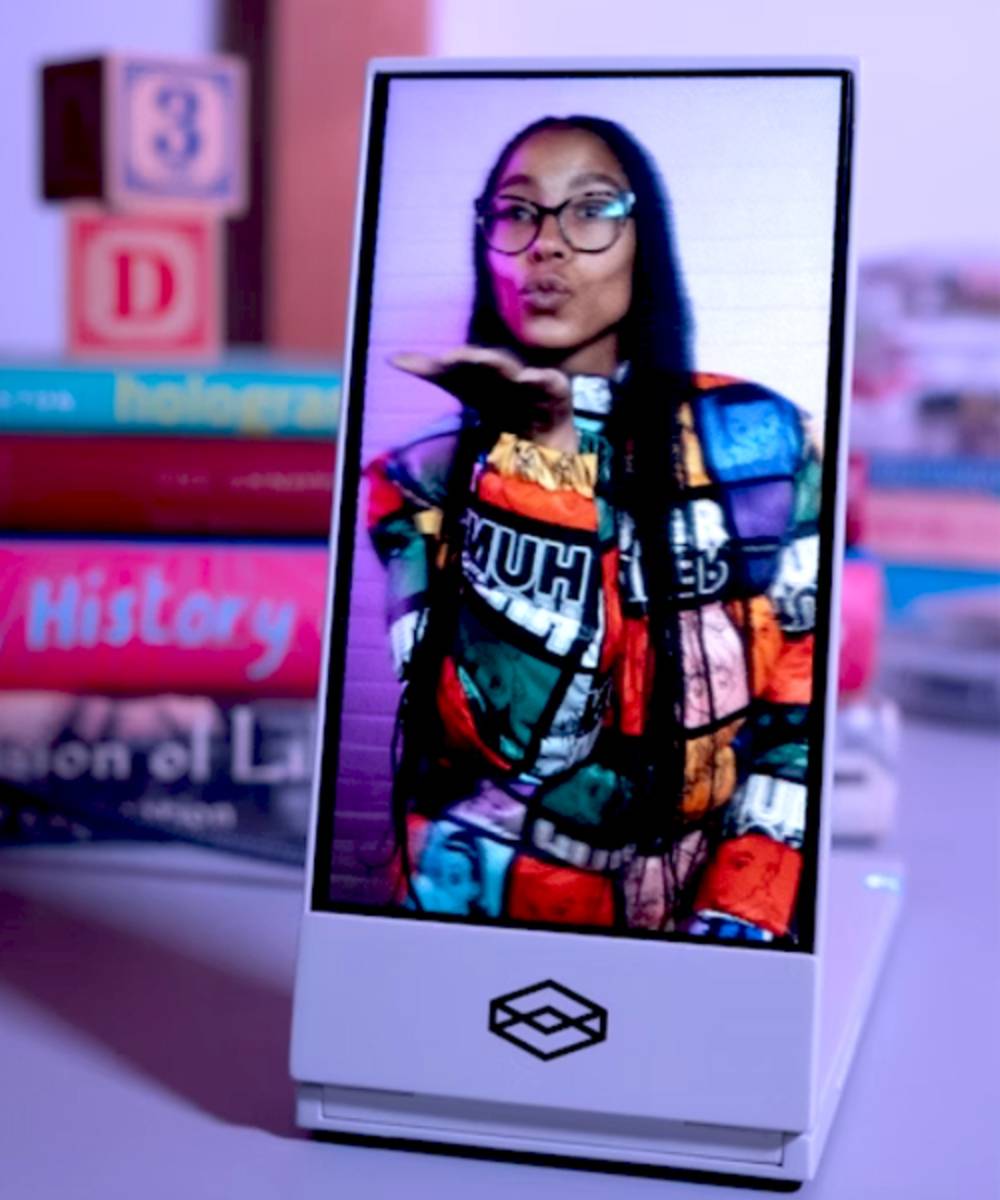
By monitoring us trends, it is evident that this niche hobbyist item has transitioned into a mainstream tool for creators. Its ability to integrate with generative AI tools and 3D modeling software makes it a staple for modern digital studios. However, the manufacturer is currently focused on the North American market, leaving a distribution gap that professional logistics solutions are now filling.
The New Zealand retail landscape for holographic displays
Local electronics retailers in New Zealand do not currently stock the Looking Glass Go. The specialized nature of holographic hardware often results in a delay between US release dates and local availability. Many New Zealand residents assume that because an item is not on the shelf in Auckland or Christchurch, it is inaccessible or too expensive to import. This assumption is incorrect.
The logistics infrastructure in 2026 allows for the seamless movement of high-tech hardware from US warehouses to New Zealand doorsteps. By utilizing a parcel forwarding service, creators can bypass the lack of local inventory and secure the latest hardware directly from the primary source.
Shipping Estimates and Logistics Data
To facilitate a successful import, it is necessary to understand the physical specifications and regulatory requirements of the device. Providing these details ensures that users can accurately anticipate the costs associated with international movement.
| Logistics Factor | Estimate / Detail |
|---|---|
| Box Weight | Approx. 1.5 lbs (0.7 kg) |
| Box Dimensions | Small (Approx. 8 x 5 x 3 inches) |
| Volumetric Warning | Low risk. The item is compact and dense; weight is the primary billing factor rather than size. |
| Battery Check | Contains one internal Lithium-ion battery. |
Because the Looking Glass Go contains an integrated lithium battery, it must be shipped according to IATA Dangerous Goods Regulations (specifically PI967). Most major couriers handle this as standard procedure, but it is a factor that professional logistics providers manage to ensure safety and compliance. You can use a shipping calculator to determine the exact transit costs based on these specific physical dimensions.
Procuring US-exclusive hardware from New Zealand
The process of acquiring US-exclusive technology involves securing a reliable point of origin. New Zealand residents often encounter issues where US webstores do not accept international credit cards or refuse to ship to non-US addresses. Establishing a tax-free us address provides a hub where the item can be received before being prepared for its journey to the South Pacific.
In instances where a US merchant limits sales to domestic buyers, the assisted purchase service acts as a proxy to finalize the transaction. This ensures that New Zealand creators have the same purchasing power as a consumer located in California or New York. Once the item is secured at the warehouse, an international shipping service takes over to manage the cross-border transit.
Managing New Zealand Customs and Duties
Importing high-value electronics into New Zealand requires adherence to the Goods and Services Tax (GST) regulations. For items valued over NZD $1,000, Customs New Zealand may apply additional duties and an Import Entry Transaction Fee. It is a common misconception that these fees make importing prohibitive; in reality, the price difference between US retail and potential (but non-existent) NZ retail often favors the direct import model even after taxes.
Using professional comGateway logistics helps in providing clear documentation for customs clearance. Ensuring that the commercial invoice is accurate helps avoid delays at the border. By understanding these logistics steps, New Zealand creators can continue to lead in the 3D space by utilizing the best tools available in 2026, regardless of where those tools are manufactured or sold.
-
March 27, 2026
I saved $110 on the Looking Glass Go by ignoring what people say about US shipping to Singapore
The Looking Glass Go is a viral hit for 3D creators, but buying it in Singapore can be tricky. Here is how to save money by shipping from the USA.Continue Reading
-
March 27, 2026
Save $145 by getting the Looking Glass Go directly from the US rather than waiting for local Aussie tech shops
Looking for the Looking Glass Go in Australia? Save $145 by buying from US stores directly. Here is how to bypass credit card blocks and ship to your door.Continue Reading
-
March 27, 2026
The fact about getting a Looking Glass Go to Hong Kong without it being a glass-half-empty situation.
The Looking Glass Go is making waves in 2026, but getting this holographic display to Hong Kong is simpler than the myths suggest.Continue Reading
-
March 27, 2026
I secured a Looking Glass Go from the US to China: The fastest international shipping method
Stock is moving fast for the Looking Glass Go. I found the most direct path to ship this holographic display to China using a US freight forwarder.Continue Reading
-
March 27, 2026
Direct US checkout vs. the BuyForMe automated path: Get your Looking Glass Go to India before the next stock outage
The Looking Glass Go is 2026's most coveted holographic display, yet Indian creators face immediate blocks when ordering from US-exclusive stores.Continue Reading

