



Constructing your 2026 nomadic power plan: Anker Solix C300 DC vs. the dark ages of dead batteries
Table of Contents
- The architecture of a US-exclusive tech haul
- Anker Solix C300 DC vs. Standard Power Banks: A structural comparison
- Mapping out your logistics: Shipping an Anker Solix C300 DC to Japan
- Shipping Estimates: Weight and dimensions for your blueprint
- Lithium batteries vs. International aviation rules
- The step-by-step foundation: Using a freight forwarder for US tech
- Import duties vs. US sales tax: Managing the Japanese customs ledger
The architecture of a US-exclusive tech haul
In the spring of 2026, the outdoor community in Japan is buzzing about a specific piece of equipment that hasn't officially landed on local shelves. The Anker Solix C300 DC is currently a rising star among Dutch van-lifers and is quickly becoming a must-have for Japanese hobbyists who prioritize compact efficiency. This isn't just another battery; it is a specialized DC-focused hub designed for the modern digital nomad.
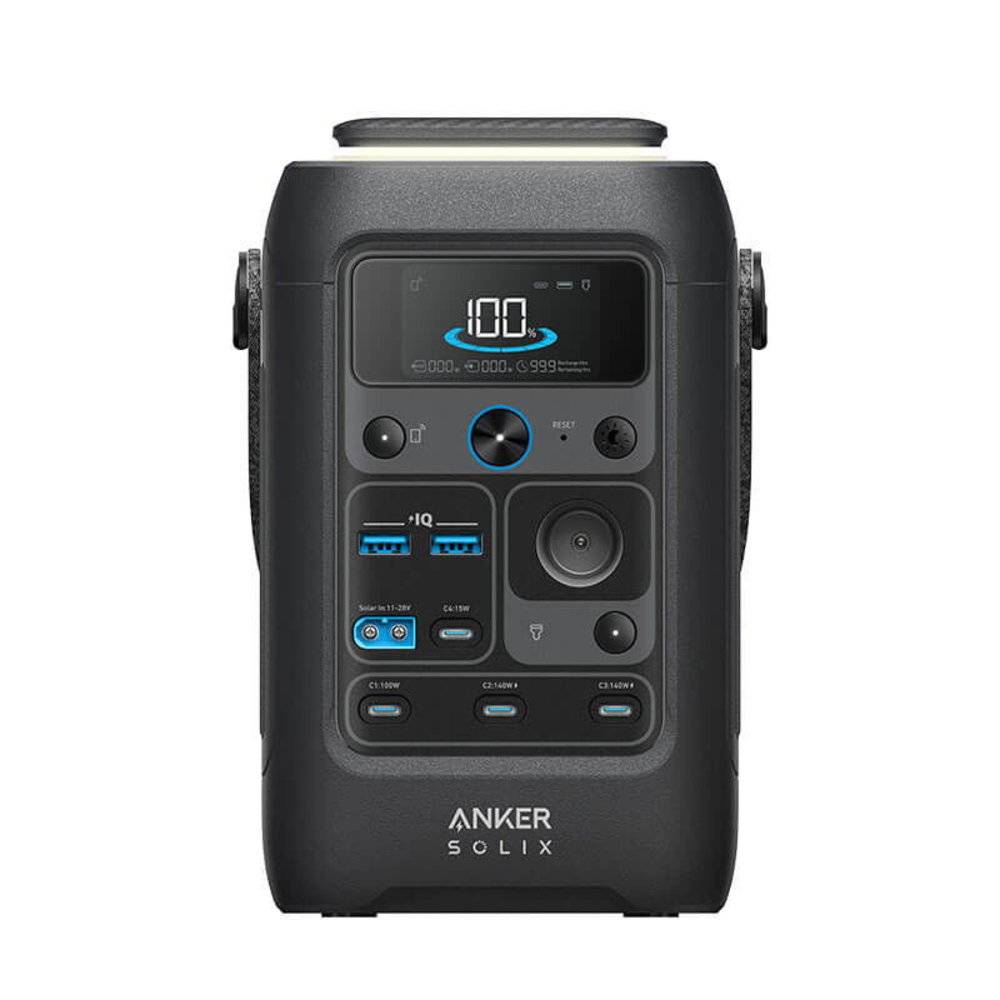
The hype stems from its unique cylindrical design and the vertical orientation that makes it look more like a high-tech thermos than a clunky generator. While Japanese domestic markets offer plenty of AC/DC hybrids, this DC-first approach caters specifically to those who power laptops, drones, and cameras via USB-C. To get your hands on one, you will need to look toward US storefronts and a reliable international shipping service to bridge the gap between Oregon and Osaka.
Anker Solix C300 DC vs. Standard Power Banks: A structural comparison
Anker Solix C300 DC vs. standard power banks: The difference in structural integrity and capacity is staggering. While a standard power bank might give your smartphone a few life cycles, the C300 DC offers 288Wh of LiFePO4 energy. This is the difference between surviving a weekend and powering a mobile office. The C300 DC vs. traditional portable power stations: The Solix wins on portability, weighing significantly less while providing 300W of total output through multiple USB-C ports.
For the Japanese camper, the Anker Solix C300 DC vs. gas-powered generators: The silence of the Solix is its greatest asset. In the crowded campsites of Yamanashi or Nagano, a silent DC power source is the polite choice for 2026. By choosing to shop US store options, you gain access to this specific DC-optimized model that has yet to see a wide release in Asia.
Mapping out your logistics: Shipping an Anker Solix C300 DC to Japan
Importing tech requires a solid plan. Think of it as a blueprint for your gear collection. Since many US retailers do not ship directly to Japan, or charge exorbitant fees, using a freight forwarder is the most efficient way to secure your equipment. This allows you to use a tax-free US address, effectively lowering the initial purchase price before the item even begins its journey across the Pacific.
Before you commit, it is wise to estimate shipping cost using online tools. This ensures that your budget remains intact. The process is straightforward once you understand how it works: you buy the item, it arrives at a US warehouse, and then it is forwarded to your doorstep in Japan.
Shipping Estimates: Weight and dimensions for your blueprint
To help you calculate your total investment, we have drafted these estimates based on the Anker Solix C300 DC specifications. These figures are essential for anyone using a package forwarding service to Japan.
| Metric | Estimate |
|---|---|
| Box Weight | Approx. 7.7 lbs (3.5 kg) including retail packaging and outer shipping box. |
| Box Dimensions | Approx. 10 x 10 x 14 inches (25 x 25 x 35 cm). This is considered a medium-sized parcel. |
| Volumetric Warning | Actual weight vs. Volumetric weight: The C300 DC is quite dense. It is unlikely to trigger high volumetric charges, as the physical weight usually exceeds the volumetric calculation for this size. |
Lithium batteries vs. International aviation rules
Standard cargo vs. Dangerous Goods: This is the most critical part of your shipping blueprint. The Anker Solix C300 DC contains a 288Wh Lithium Iron Phosphate (LiFePO4) battery. International aviation regulations categorize batteries over 100Wh as "Dangerous Goods" (DG).
Shipping a battery-heavy item vs. shipping standard electronics: You must ensure your parcel forwarding service is equipped to handle DG shipments. This often involves a specialized handling fee and specific documentation. Always confirm with your provider before the item reaches the warehouse to avoid storage delays.
The step-by-step foundation: Using a freight forwarder for US tech
Constructing your shipping route is simple when you follow this architectural plan. First, sign up for a comGateway account to receive your dedicated US address. When checking out on US websites, use this address to avoid local sales taxes. Once the item arrives, you can use the international shipping options to choose the speed and cost that fits your needs.
US warehouse storage vs. Immediate shipping: Many users prefer to wait and consolidate multiple items. If you are also eyeing the latest outdoor gear from US brands like Patagonia or REl, you can forward packages together to save on the base shipping rate. This consolidation strategy is a cornerstone of smart importing in 2026.
Import duties vs. US sales tax: Managing the Japanese customs ledger
Japanese Import Consumption Tax vs. Duty-free limits: When your Anker Solix C300 DC arrives in Japan, it will pass through customs. For personal imports, you are typically taxed on 60% of the retail value if the total exceeds 16,666 JPY. Given the price of the C300 DC, expect to pay a small consumption tax upon delivery.
Self-declaration vs. Courier handling: Most modern international shipping providers will handle the customs clearance for you and bill you for the duties. This prevents your power station from getting stuck in a bureaucratic loop at Narita or Kansai airport. By following this blueprint, you ensure that your 2026 outdoor adventures are powered by the best tech the US has to offer, delivered straight to your home in Japan.
-
March 22, 2026
My blueprint for sparking joy with the Anker Solix C300 DC in Singapore
I’ve mapped out the exact steps to get the US-exclusive Anker Solix C300 DC delivered to Singapore without the typical cross-border shopping drama.Continue Reading
-
March 22, 2026
Anker Solix C300 DC vs Traditional AC Stations: A Strategic Blueprint for Hong Kong Tech Adoption
A tactical analysis of the Anker Solix C300 DC and the logistics framework required to secure this US-exclusive power station for Hong Kong users in 2026.Continue Reading
-
March 22, 2026
Why are Malaysian buyers seeing their Anker Solix C300 DC orders cancelled by US stores?
The Anker Solix C300 DC is the 2026 must-have for Malaysian van-life fans, but buying it from the US comes with hidden risks and shipping hurdles.Continue Reading
-
March 22, 2026
Is the Anker Solix C300 DC really the power move Australian campers are waiting for?
The Anker Solix C300 DC is currently a US-exclusive release, leaving many Australian outdoor enthusiasts wondering if it is worth the effort of importing.Continue Reading
-
March 22, 2026
New Zealand buyers face specific logistical hurdles when importing the Anker Solix C300 DC from the US
New Zealand residents currently cannot purchase the Anker Solix C300 DC locally, making US imports the only viable path for outdoor enthusiasts in 2026.Continue Reading

