



The price difference for a Moog Muse between Los Angeles and Auckland is surprisingly high
Table of Contents
The Moog Muse legacy in 2026
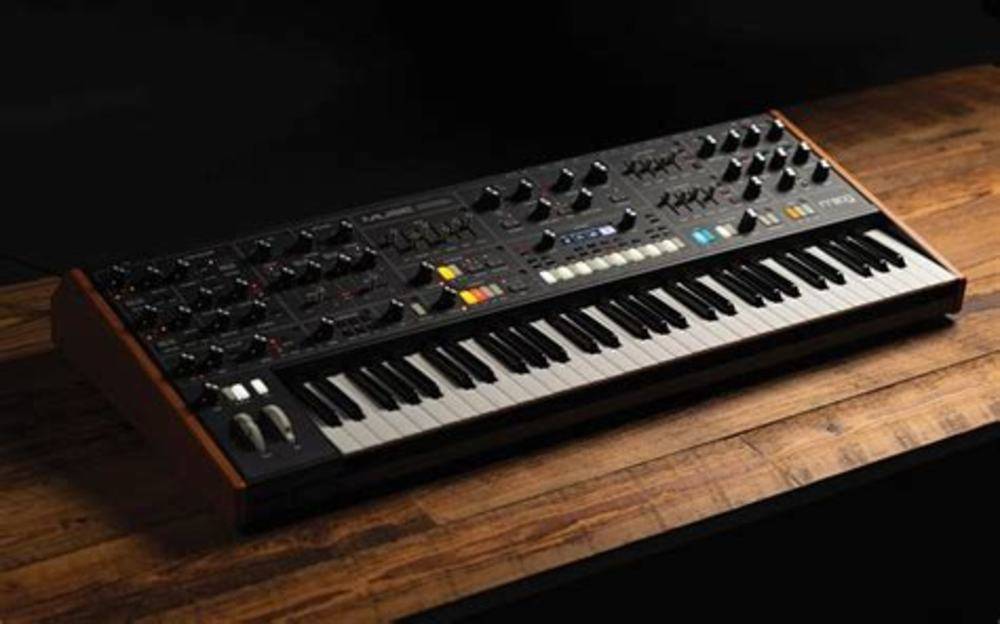
The Moog Muse 8-Voice Polyphonic Analog Synthesizer has established itself as a foundational piece of hardware for professional studios in 2026. Its eight voices of pure analog power allow for rich, complex pads and lead sounds that digital recreations still struggle to emulate. In New Zealand, the demand for this specific unit has surged as producers move away from software-only setups toward tactile, high-end instruments that hold their value over time.
 Guitar Center
As you look at popular products in the music industry this year, the Muse stands out because it bridges the gap between classic Moog character and modern polyphonic flexibility. It is not just a tool; it is an investment in sound quality that defines the current era of electronic and cinematic music production.
Why New Zealand musicians pay more
A curious reality of the local market is the substantial markup found in Auckland and Wellington retail stores. While the Moog Muse is globally recognized, the cost of bringing it to the South Pacific often results in a price tag that is significantly higher than the US MSRP. Local distributors must account for their own shipping overheads, storage, and limited regional competition, which often leaves the consumer paying a premium of several hundred dollars.
This pricing gap is the primary reason why savvy producers are choosing to shop us store websites directly. Even when accounting for international transit, the savings remain substantial enough to justify the effort of importing the unit independently.
Sourcing from the United States
Buying high-end gear from US retailers like Sweetwater or Perfect Circuit is a straightforward process, but most of these retailers do not offer direct, affordable shipping to New Zealand. To circumvent this, musicians use a freight forwarder to provide a local US point of collection. This allows you to utilize a tax-free us address, ensuring that you do not pay US sales tax before the item even leaves the country.
Understanding how it works is the first step for any buyer. By using a designated US address, you can consolidate your orders and ensure that your high-value synthesizer is handled with the care required for delicate analog electronics. You can also follow this step-by-step guide to ensure your purchase from any US store is correctly routed to your doorstep in New Zealand.
Shipping Estimates and Logistics
When shipping a heavy, professional-grade synthesizer like the Moog Muse, understanding the physical requirements is essential for accurate budgeting.
| Metric | Estimate |
|---|---|
| Box Weight | Approximately 45 lbs (20.5 kg) including protective outer packaging. |
| Box Dimensions | Large. Estimated at 42" x 20" x 12" (106cm x 51cm x 30cm). |
| Volumetric Warning | High. This item is bulky. Most carriers will charge based on dimensional weight rather than actual weight. |
| Battery Check | No lithium-ion batteries. The Moog Muse uses a standard internal AC power supply. |
Because the box is quite large, you should use a shipping calculator to estimate shipping cost based on the dimensional weight. Large synthesizers are often subject to different pricing tiers due to their length.
Managing New Zealand import costs
The most important factor for New Zealand residents is the application of GST/VAT. Since the Moog Muse is a high-value item exceeding the NZD $1,000 threshold, it will be subject to 15% GST upon arrival. Customs may also apply a processing fee and an entry levy.
While these fees are mandatory, the total cost—including US purchase price, forwarding fees, and New Zealand import duties—still frequently falls below the local retail price. It is a matter of calculating the total landed cost before making the final transaction. You might also like to check our guide on customs tax to see if any specific exemptions apply to professional musical instruments in 2026.
The logistics of analog hardware
Analog synthesizers contain sensitive components such as oscillators and filters that can be affected by extreme temperature shifts or rough handling. Choosing a reputable service to comGateway your gear ensures that the item is inspected and potentially repacked for the long journey across the Pacific. Given the investment required for an 8-voice polyphonic powerhouse, ensuring the integrity of the physical box is as important as the purchase price itself.
New Zealand producers have found that taking control of their own logistics chain provides better transparency and often results in receiving the latest hardware revisions months before they officially hit the shelves in the Southern Hemisphere.
-
February 25, 2026
Save RM 2,600 on the Moog Muse by executing this 2026 US-to-Malaysia logistics plan
Secure the Moog Muse 8-Voice Polyphonic Analog Synthesizer from the US and bypass excessive local retail markups in Malaysia with this procurement blueprint.Continue Reading
-
February 25, 2026
Is shipping the Moog Muse to Singapore a major treble? Why local synth price myths are out of tune
Think importing a heavy Moog Muse synthesizer to Singapore is too expensive? We debunk the myths and show you how to save hundreds in 2026.Continue Reading
-
February 25, 2026
Save $850 on the Moog Muse by securing these critical US shipping requirements immediately
Australian producers face massive local markups on the Moog Muse. Act now to secure US pricing and navigate essential 2026 shipping logistics.Continue Reading
-
February 25, 2026
Shipping a Moog Muse from the US is cheaper than buying it in Mong Kok
The Moog Muse is the must-have synth of 2026, and buying it from the US instead of locally in Hong Kong can save you enough for a decent pair of monitors.Continue Reading
-
February 25, 2026
Did I really save over $400 by shipping a Moog Muse from the US to China?
I was shocked by the local price of the Moog Muse in China, so I investigated if importing it directly from the US would actually save me money in 2026.Continue Reading

